Response to a Request (or spasm of the soul)

1 May - 14 Jun 2026

Exmouth Market

Response to a Request (or spasm of the soul)

Curated by Brian Griffiths
 

1st May – 14th June 2026 

Part of the sixth edition of London Gallery Weekend: 5th – 7th June 2026 Private View: 30th April 2026 

Artists: Judith Dean, Gina Fischli, Nicola Gunnarsson, Sebastian Jefford, Sarah Jones, Richard Kirwan, Hamish Pearch, Cathie Pilkington, Max Prus, Elinor Stanley, Oliver Tirré, Chris Thompson, David Thorpe, Francis Upritchard, and Robert Walser. 

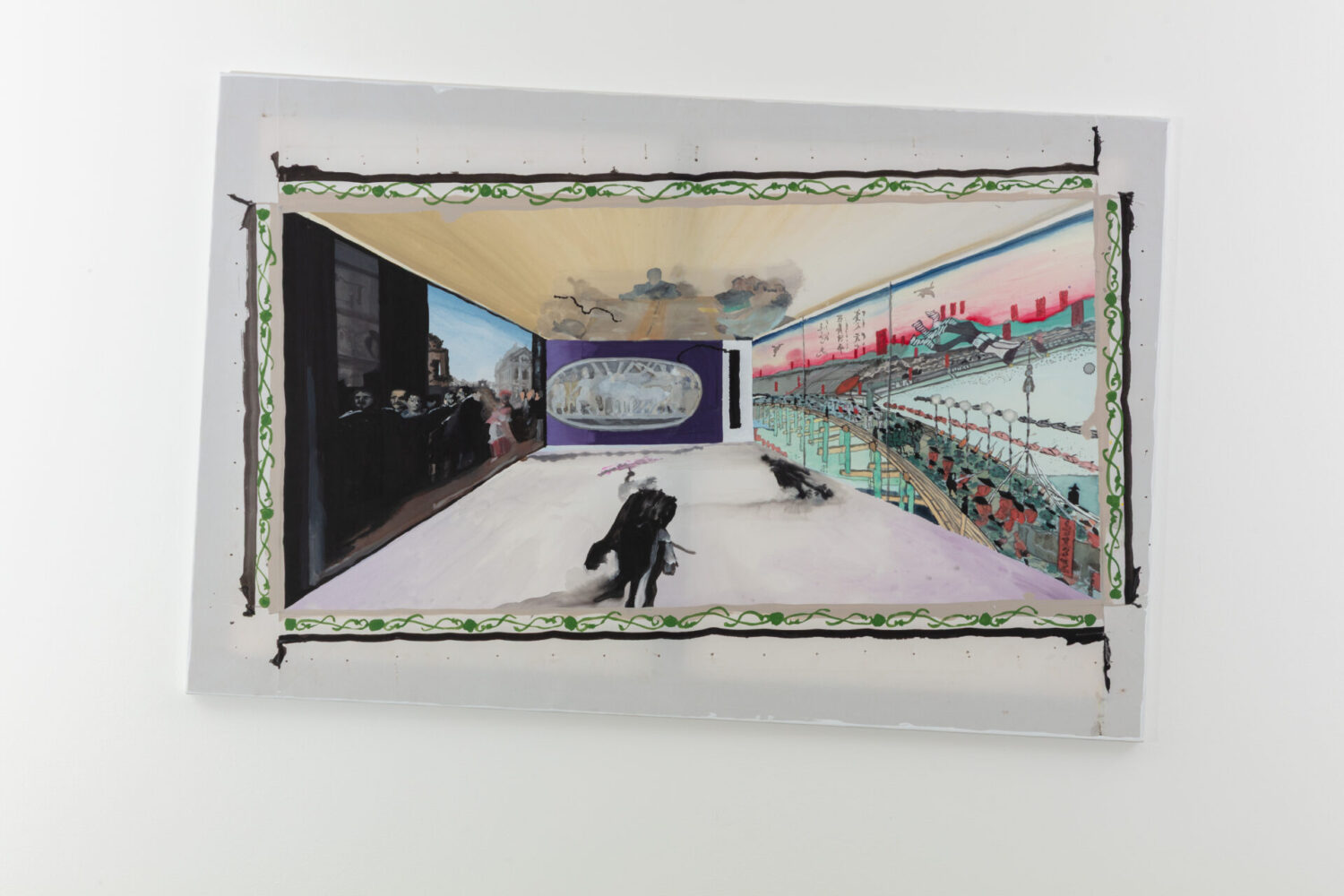
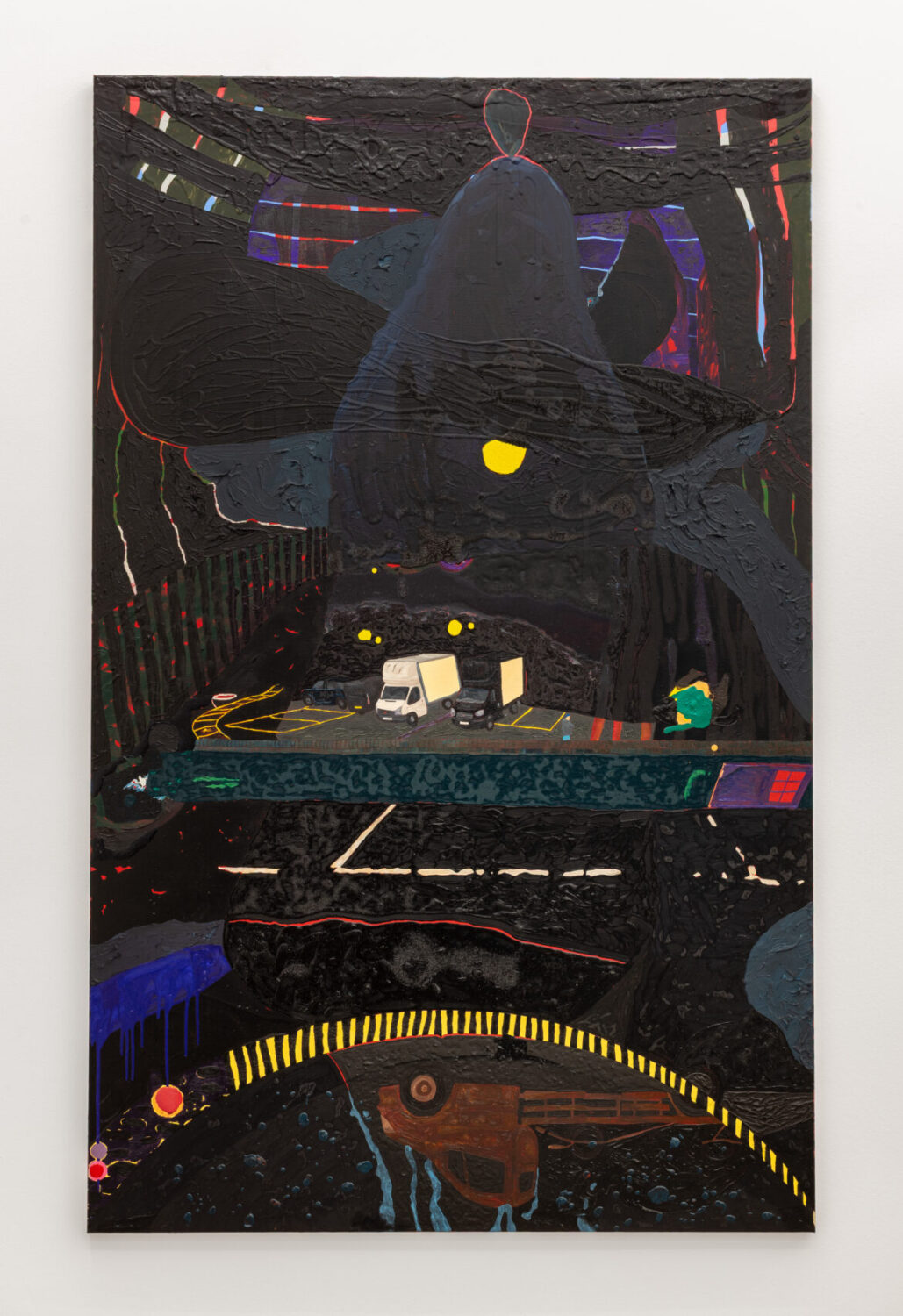
Response to a Request (or spasm of the soul) brings together paintings, drawings, sculptures and text that consider what happens when artistic production is shaped by pressures that are not always fully articulated. Rather than resolving the request placed upon them, the works in the exhibition absorb it, sometimes misinterpreting or even pushing against it. Curated by Brian Griffiths, the exhibition examines the space between instruction and impulse, extending his longstanding interest in the artist as an unreliable narrator and exhibition-making as staged and provisional.  


The title of the exhibition is borrowed from a 1907 story by the Swiss writer Robert Walser (translated from German by Christopher Middleton), which is also included in the show. Walser’s Response to a Request fulfils its duty – but only obliquely, unfolding into a set of instructions in which politeness becomes evasion, and hesitation becomes form. The “request” of the title is never named. It may signal a condition in which expectations – whether institutional, social, or internalised – precede the work, making art a discipline that can never quite discipline itself. 

The works in this exhibition consider what follows when a response to a request is not a clear answer but something that carries little more than a trace of what provoked it, occupying the threshold between what is asked and what actually happens. Curator Brian Griffiths notes “The gap between request and response is a space worth inhabiting – one that keeps things open and demands a different kind of involvement.” 
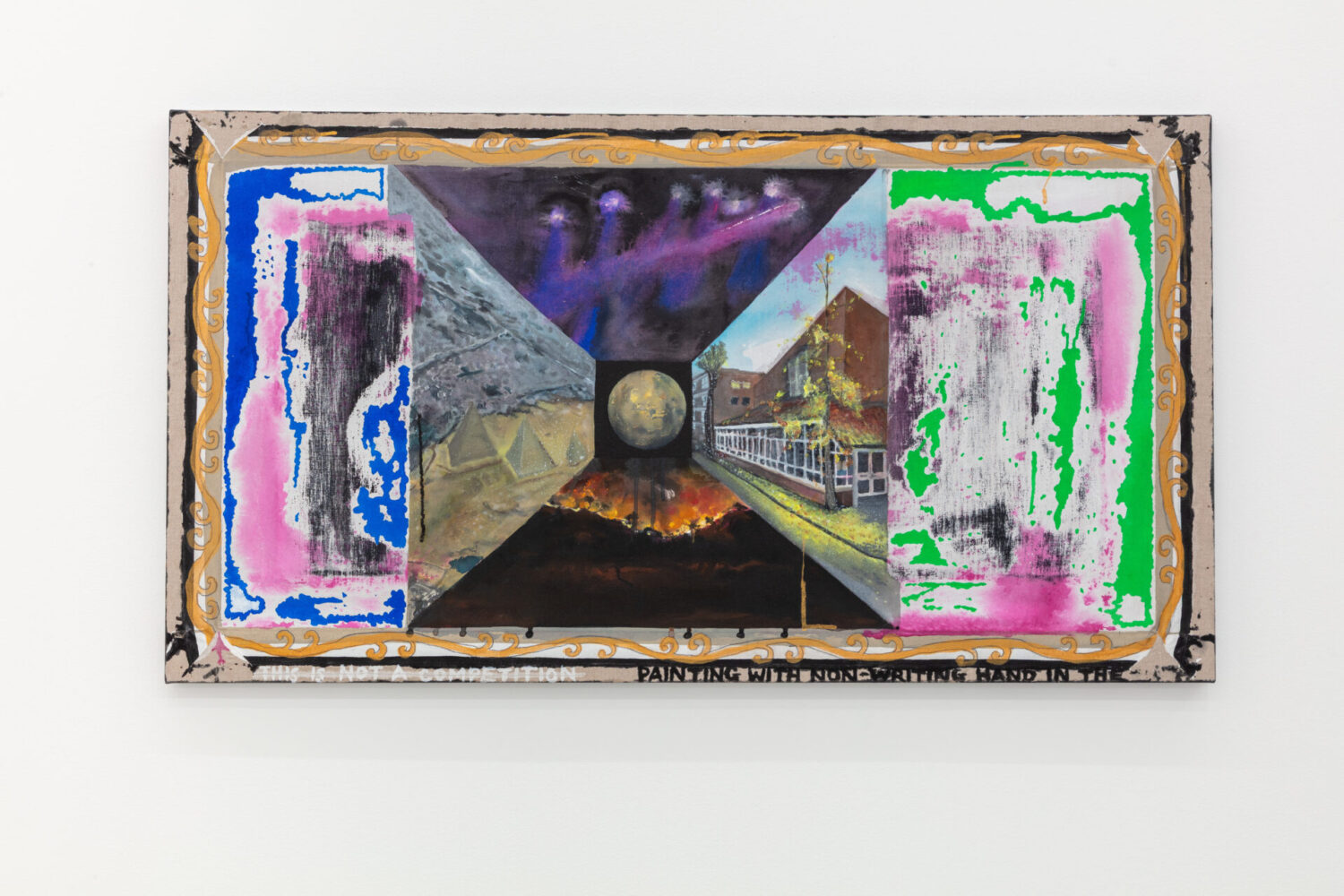
The exhibition proposes a model of art that is quietly resistant to clarity of purpose. It suggests that excess, awkwardness, ambiguity, and over‑attention are structural conditions of making. Vagueness is a strategy rather than a deficit; gestures lean toward theatricality, where exaggerated action is a sign of sincerity, and involuntary flickers surface just before the moment meaning arrives to restore order. Here, a “spasm of the soul” is nothing but a twitch: a response that arrives at the wrong time, and in the wrong colour. 

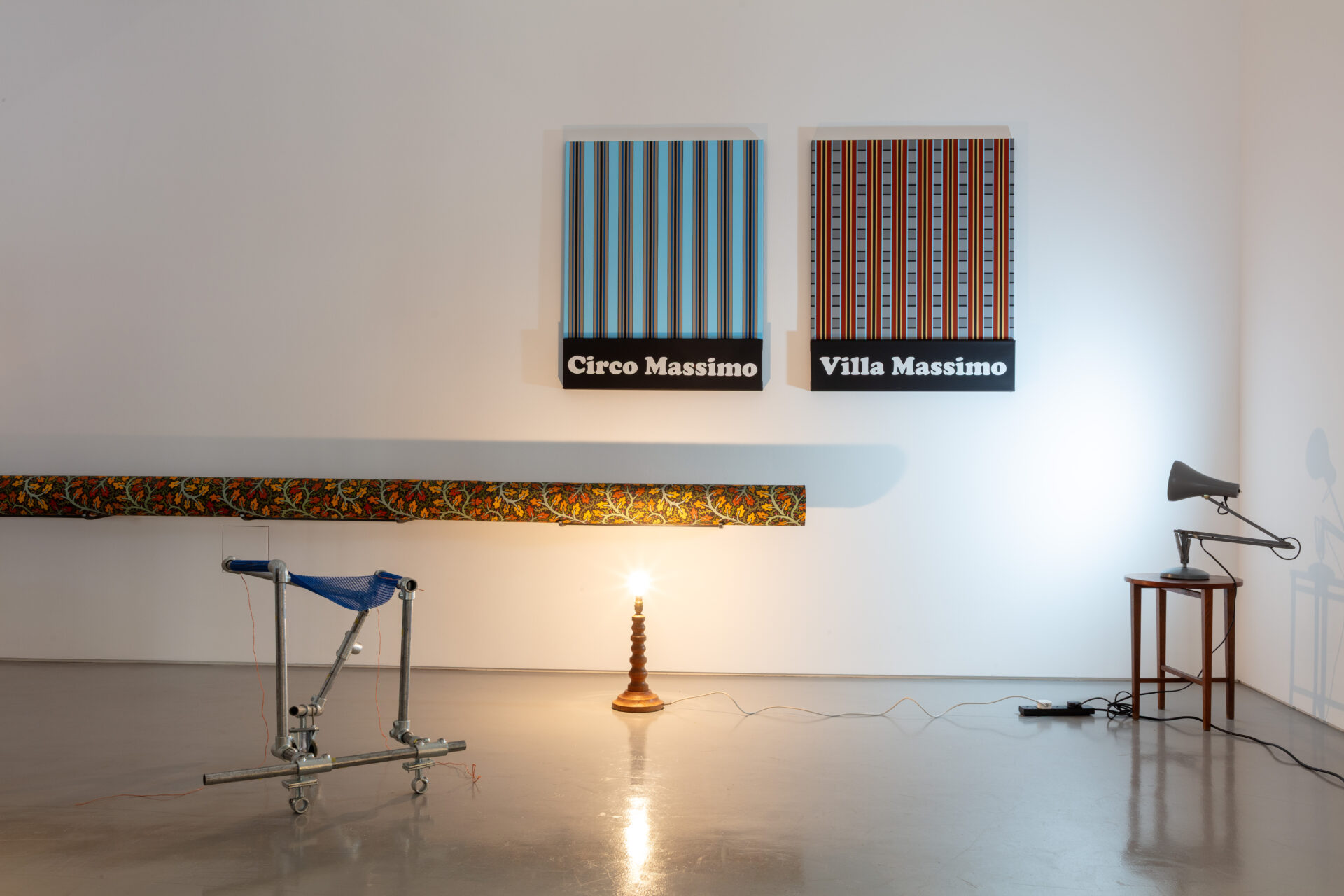
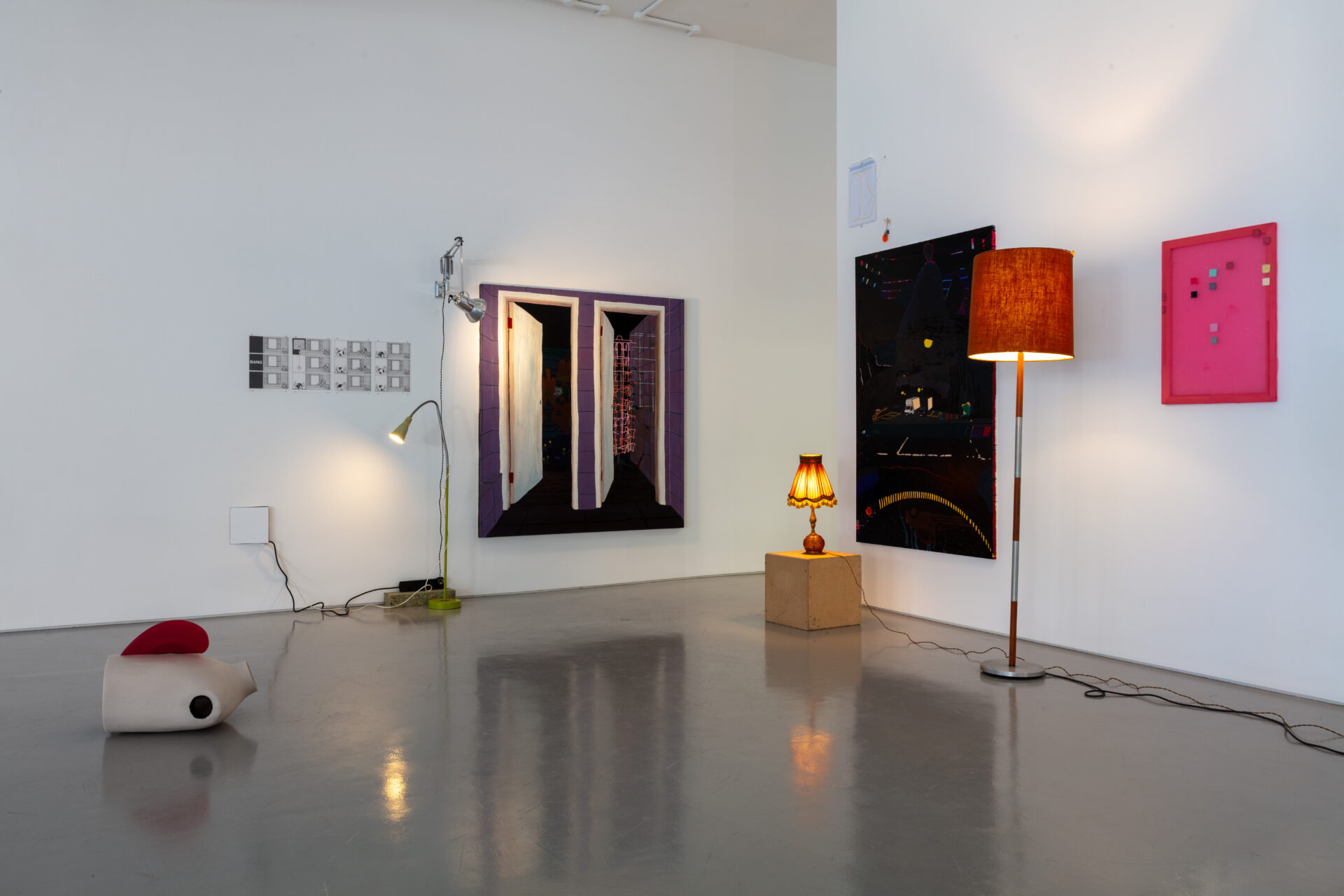
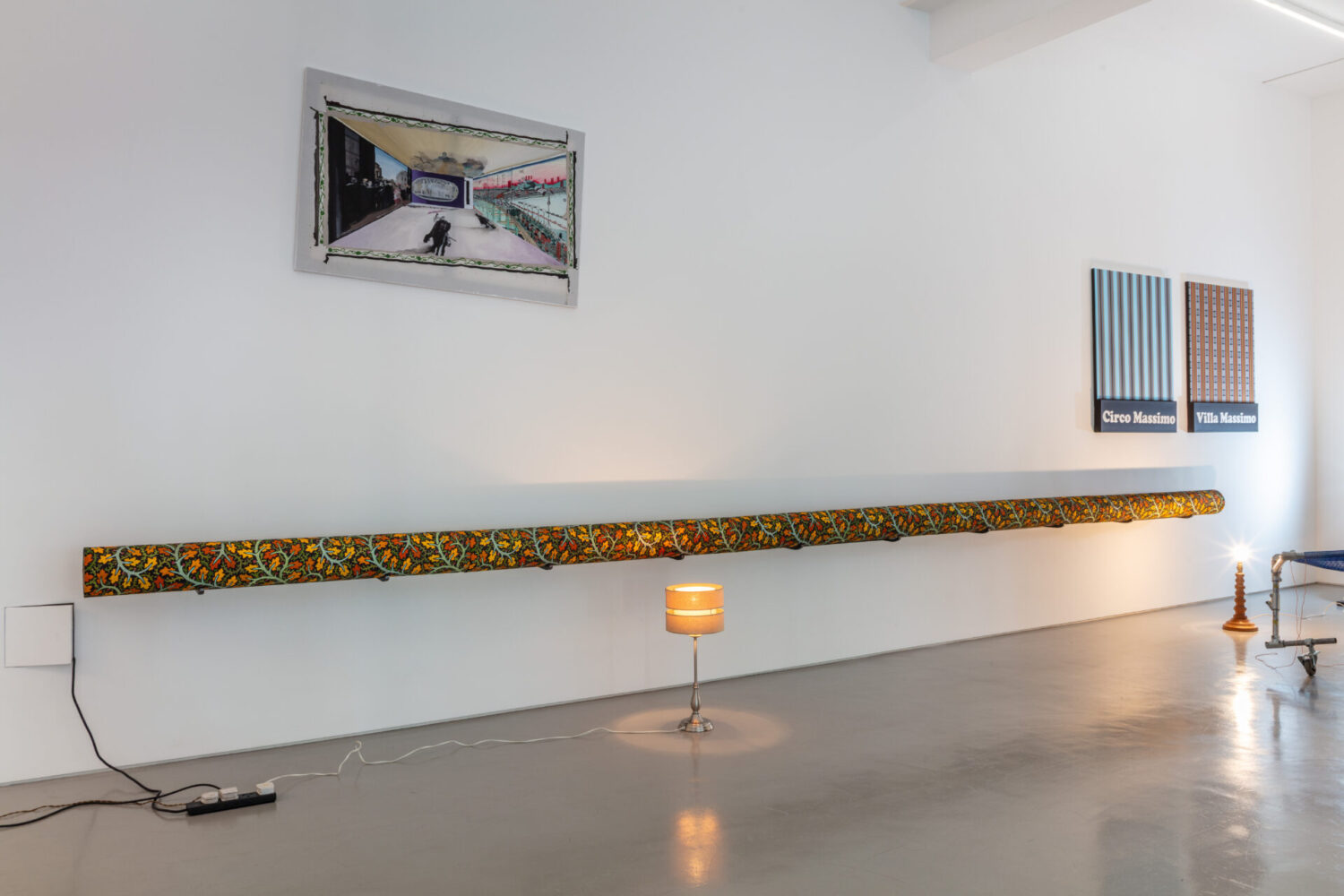
For this exhibition, the gallery will be lit with domestic lighting, as with Walser’s text the everday and the dramatic are carefully orchestrated.

Underplayed and emphatic in equal measure, Response to a Request (or spasm of the soul) examines how artworks respond to demands that are rarely stated outright, even as there remains the expectation to clarify, justify, or resolve. It proposes that misalignment and incompletion are not always deficiencies to be corrected, and that the most honest gesture may be the one that interrupts itself. 

The artworks in the exhibition embrace this approach through very different means, for example:

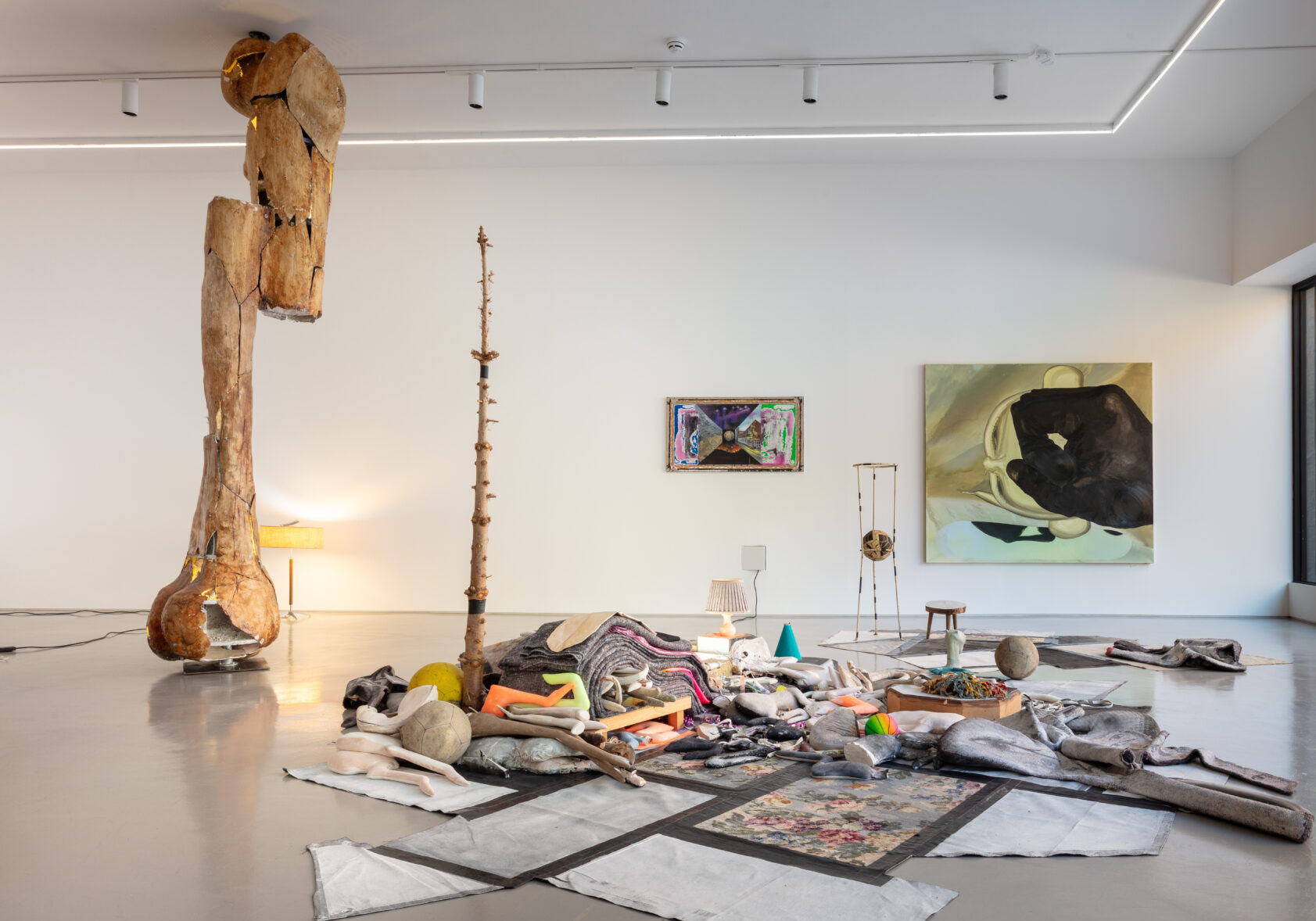
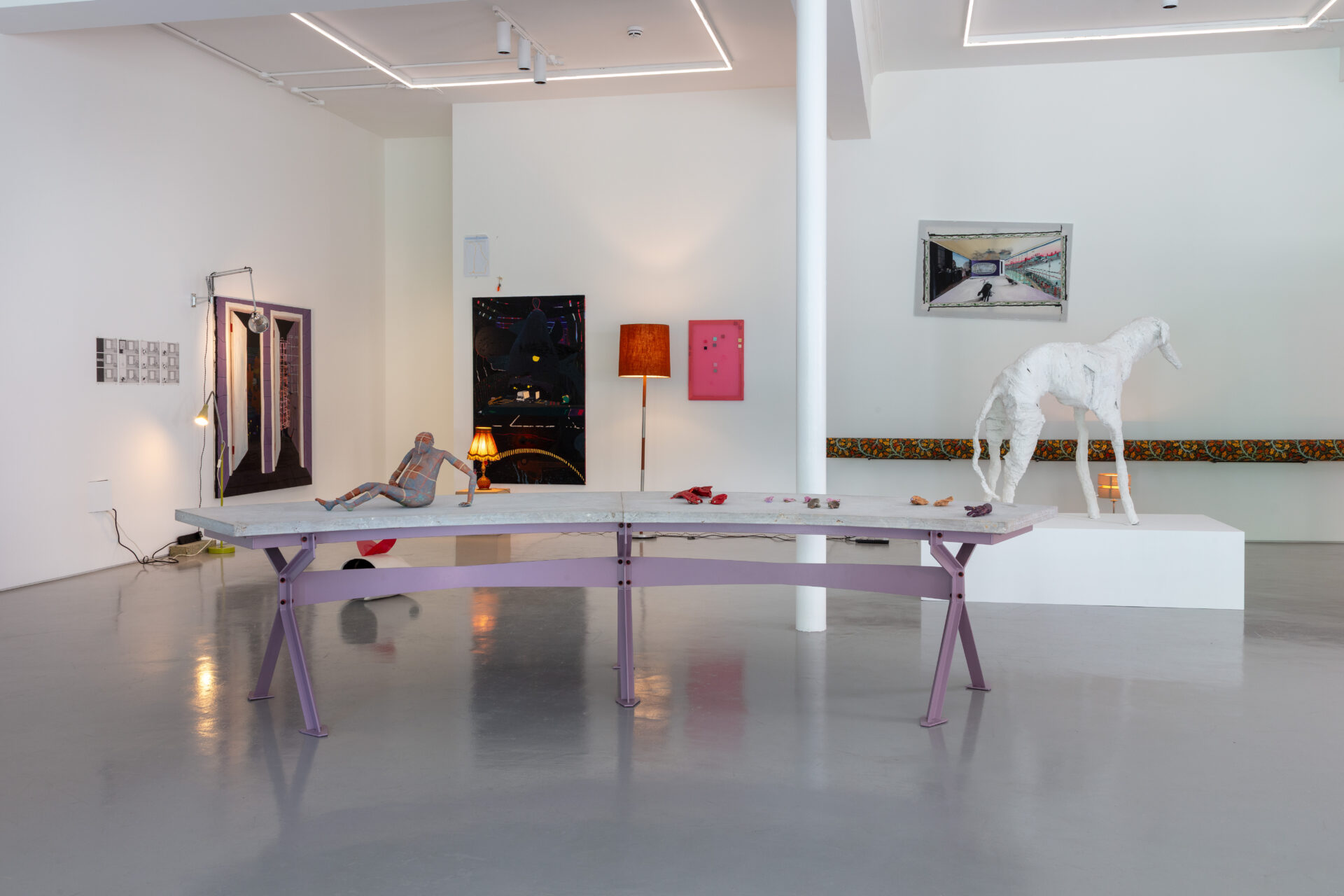
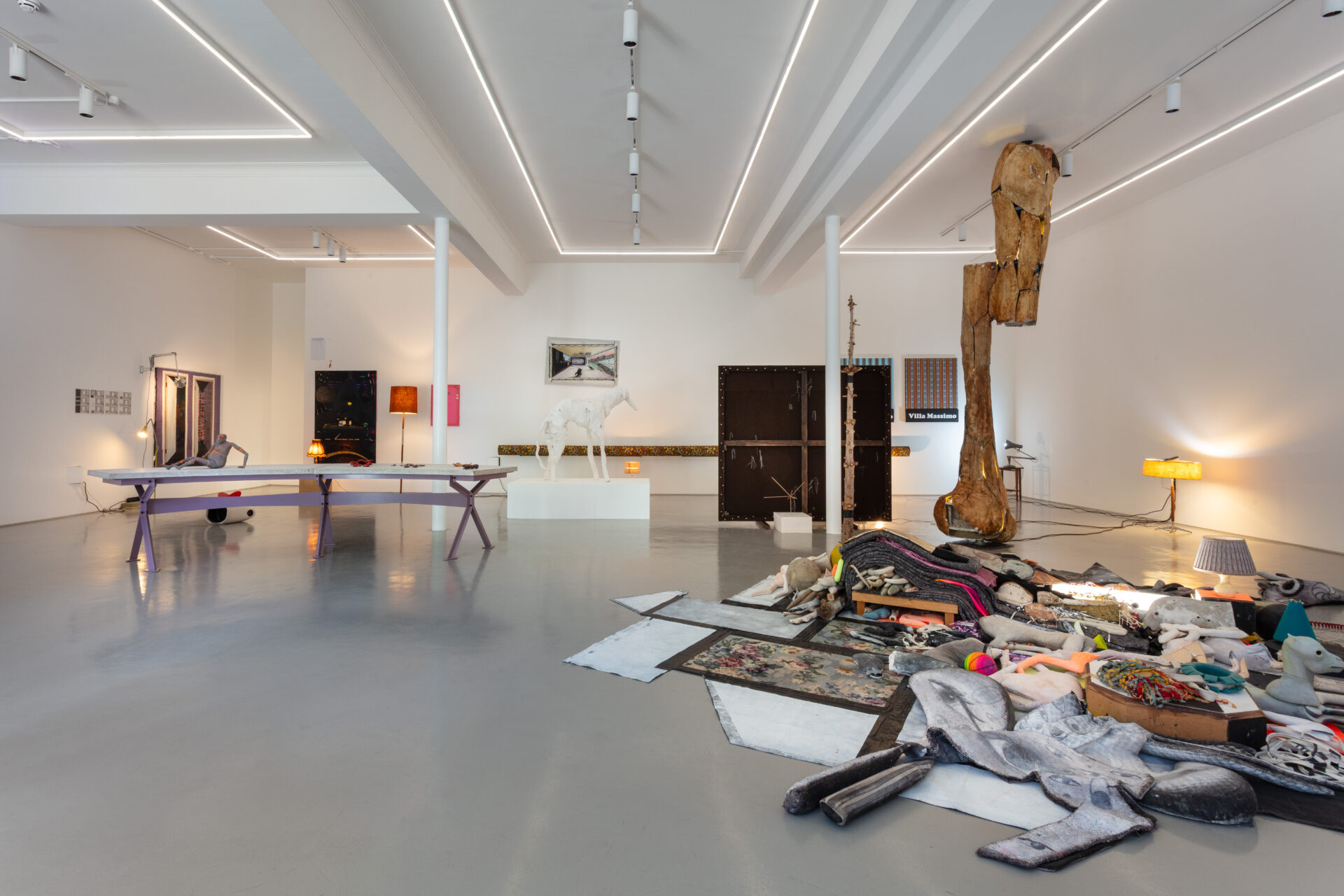
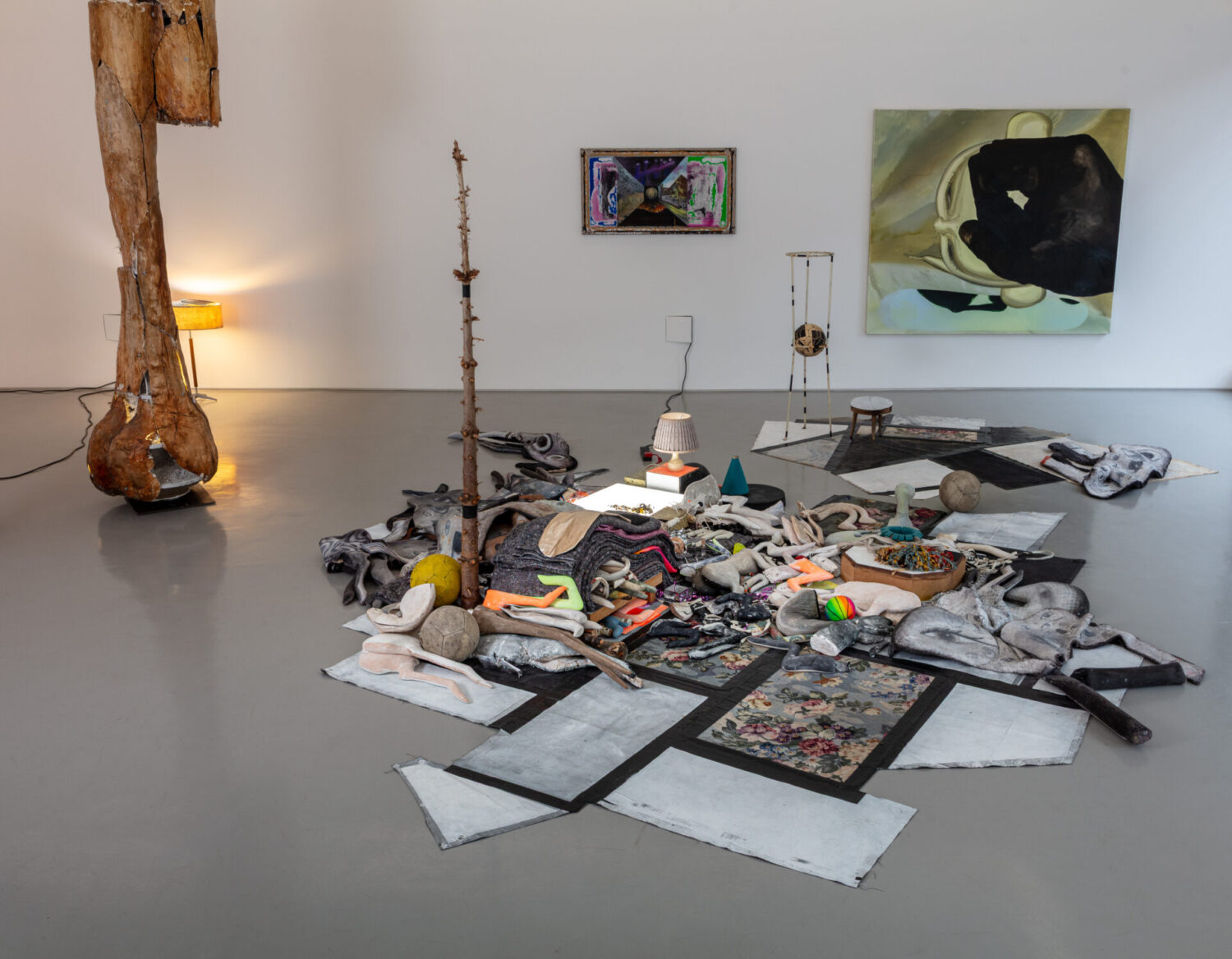
Cathie Pilkington’s sculptural assemblages gather in floor arrangements and compact groupings. Monumental references are flattened into ornamental or precarious forms; figures and animals sag, lean or collapse. Authority is undercut through material play, as if the work resists fully stabilising into its assigned role.

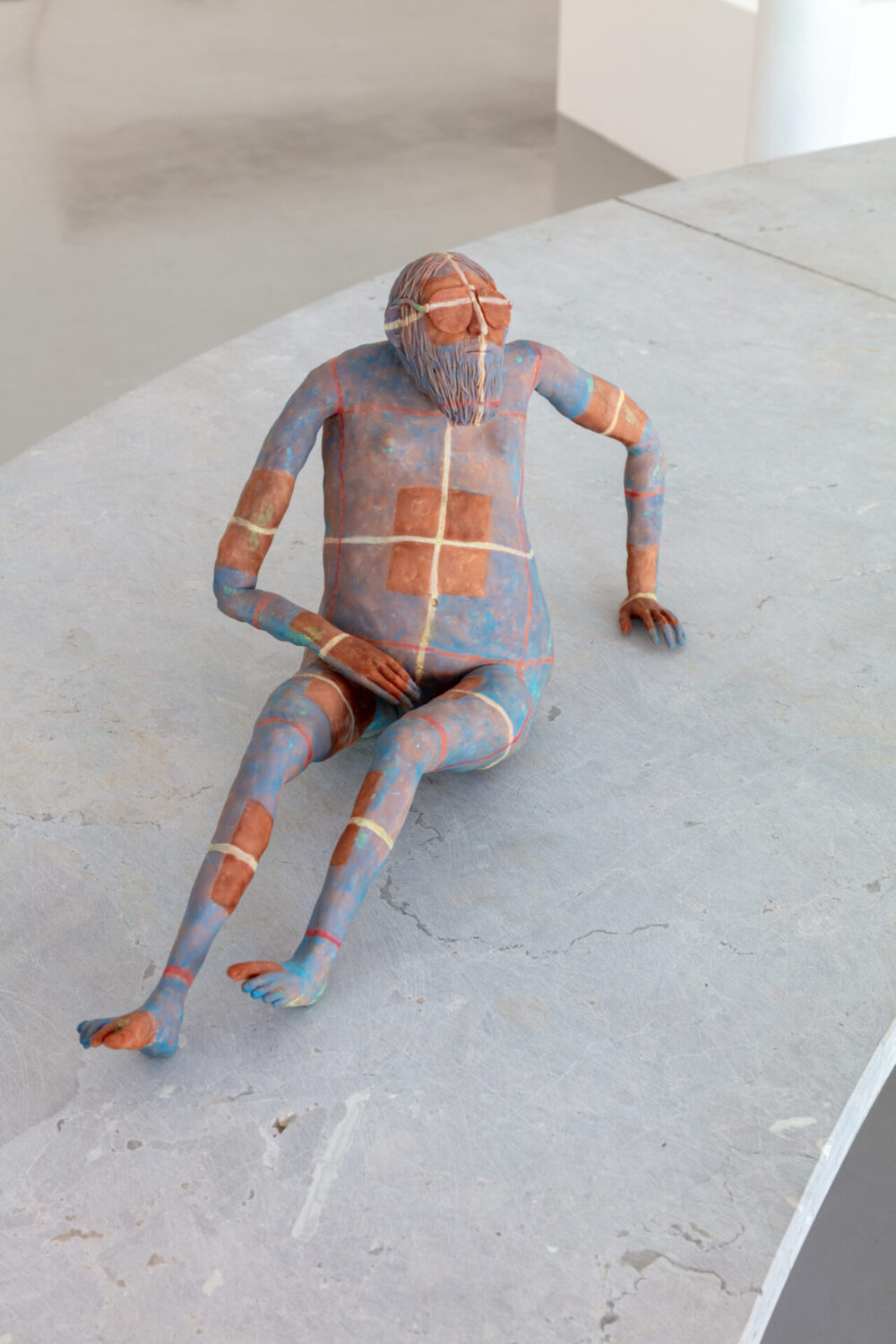
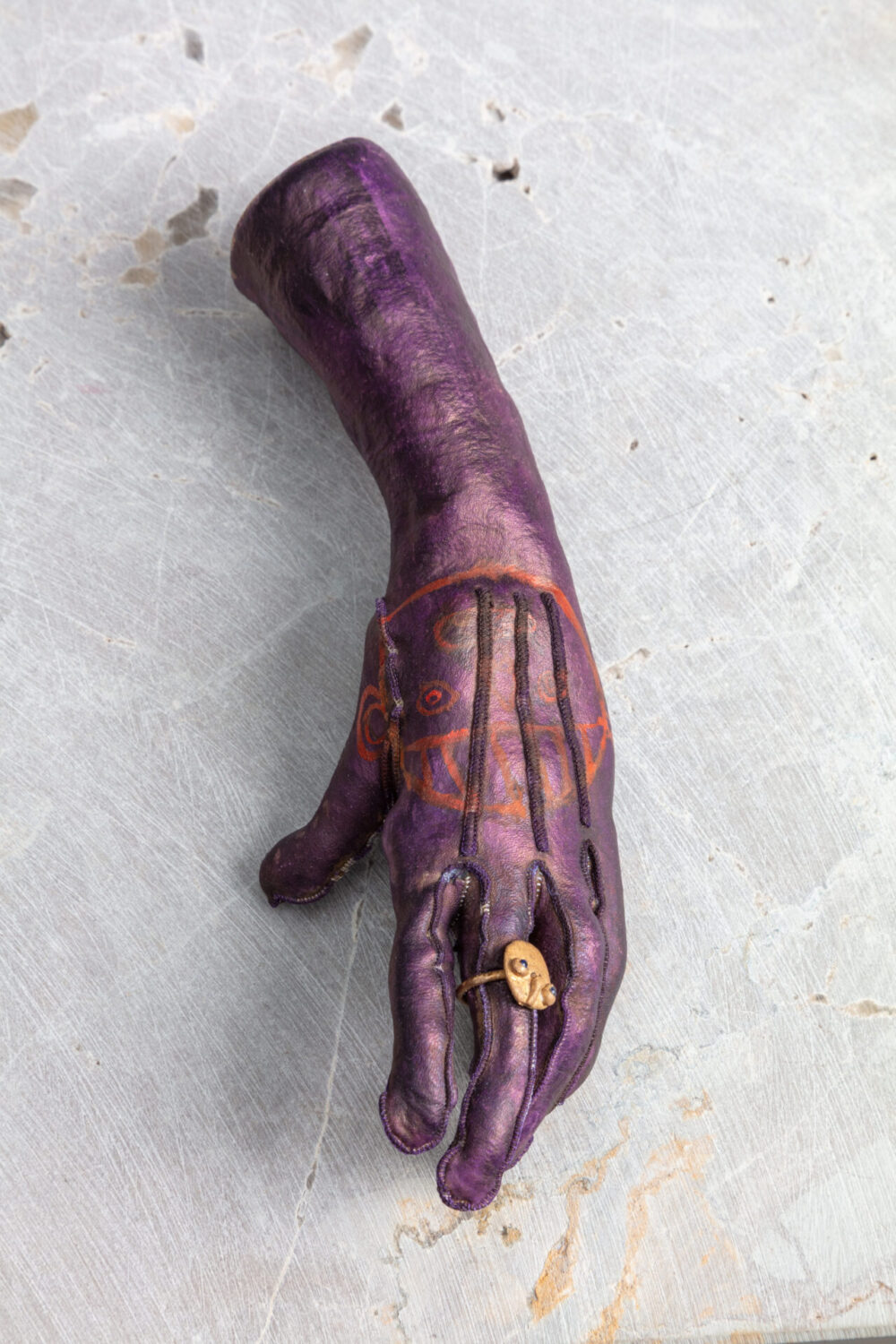
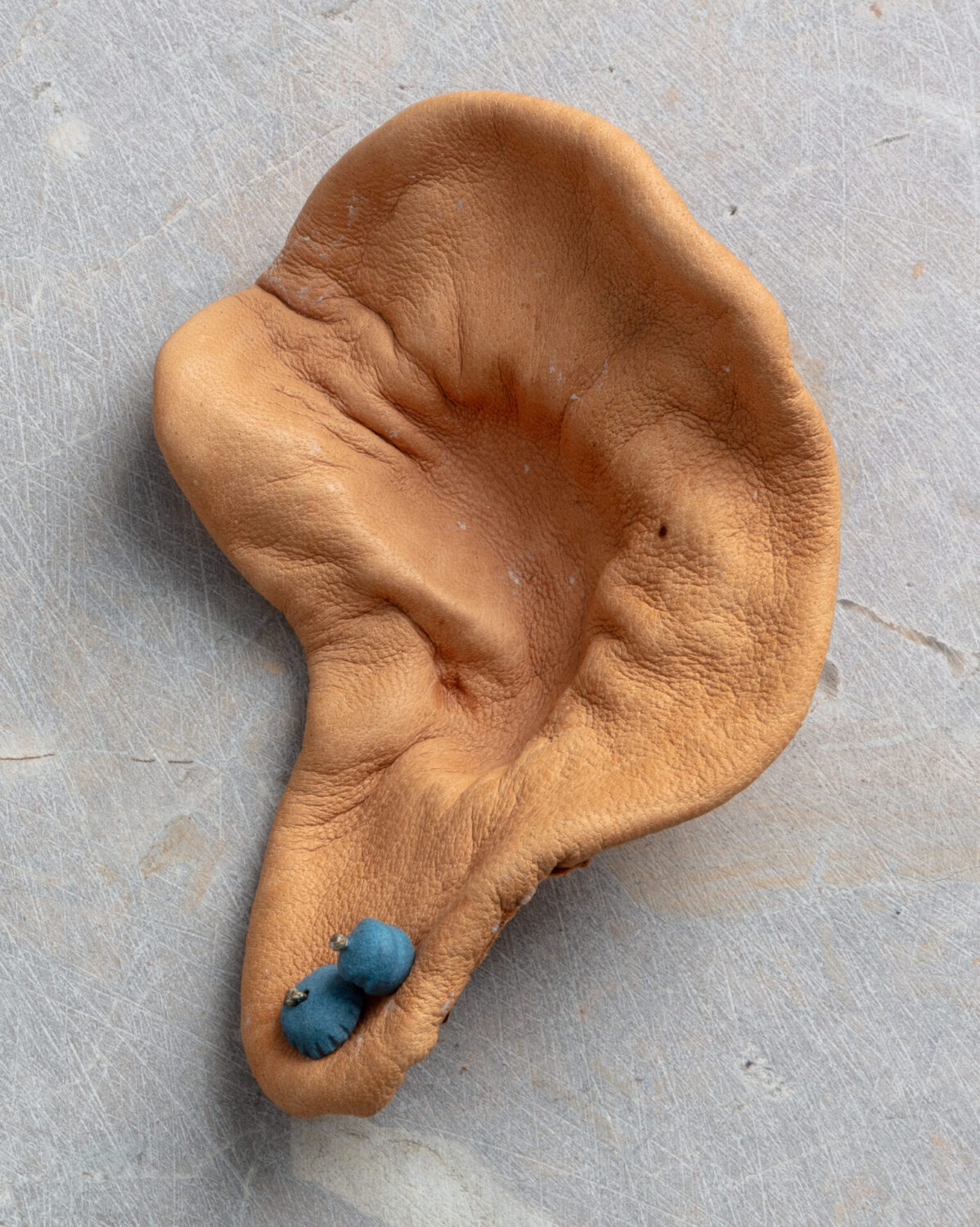
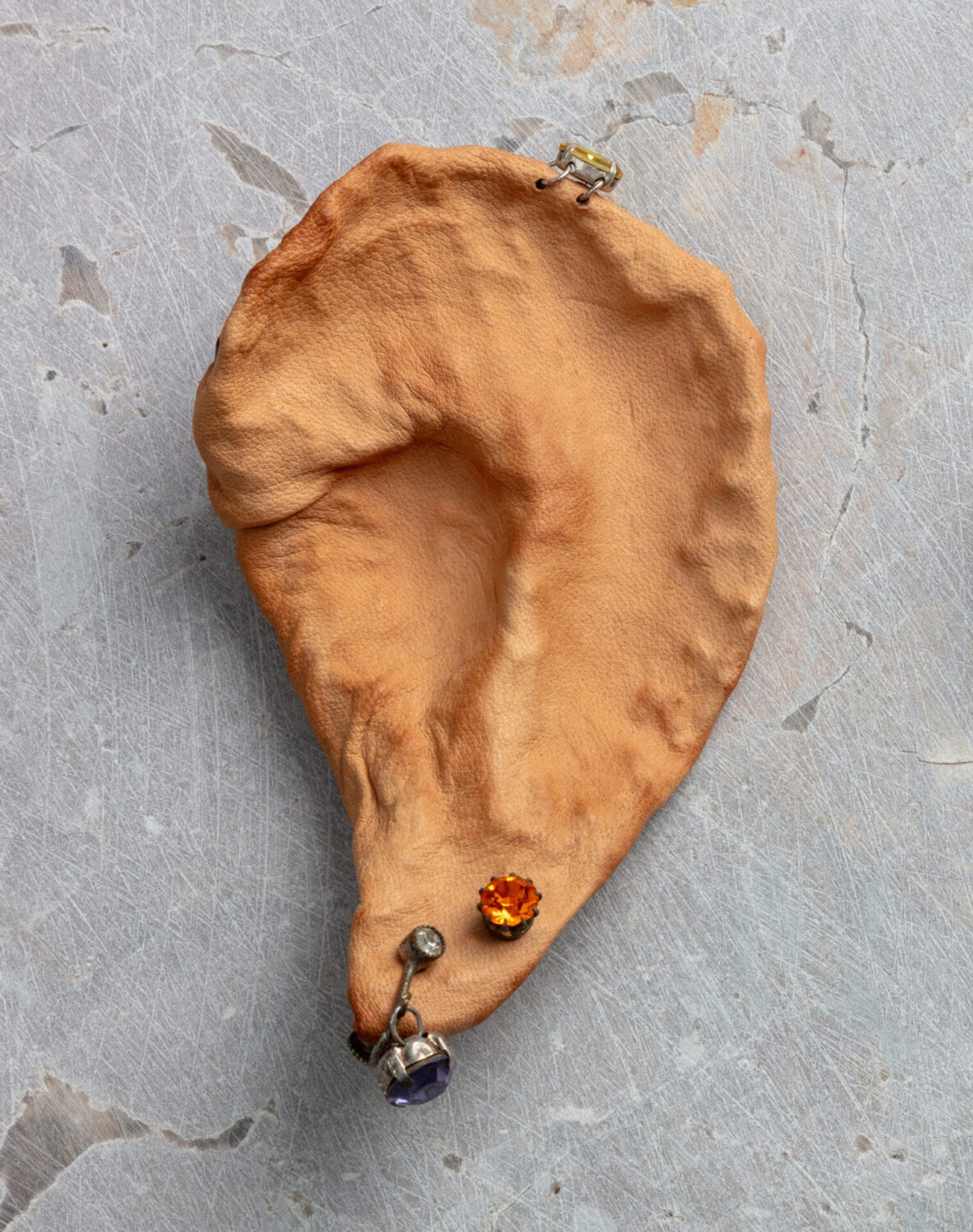
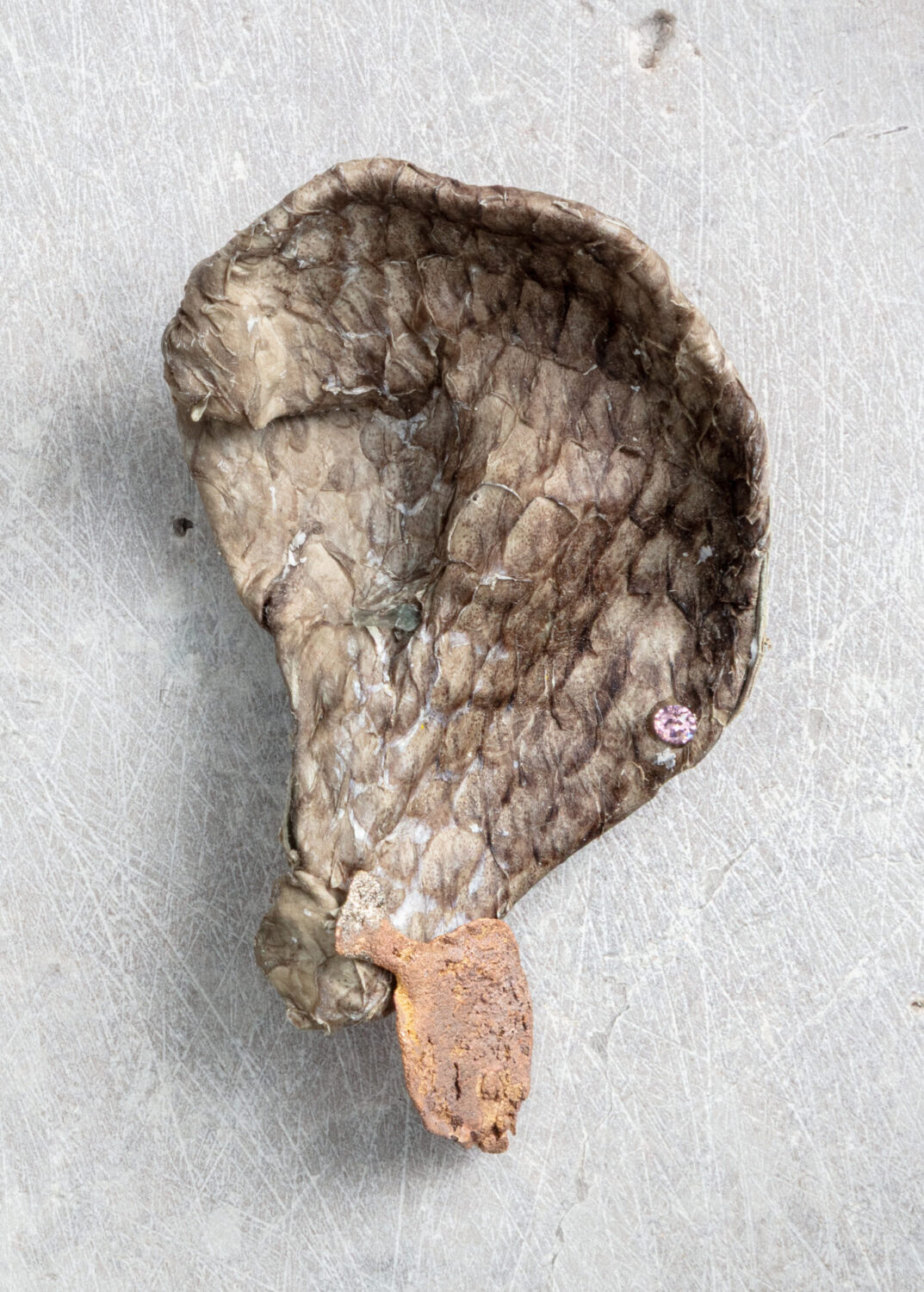
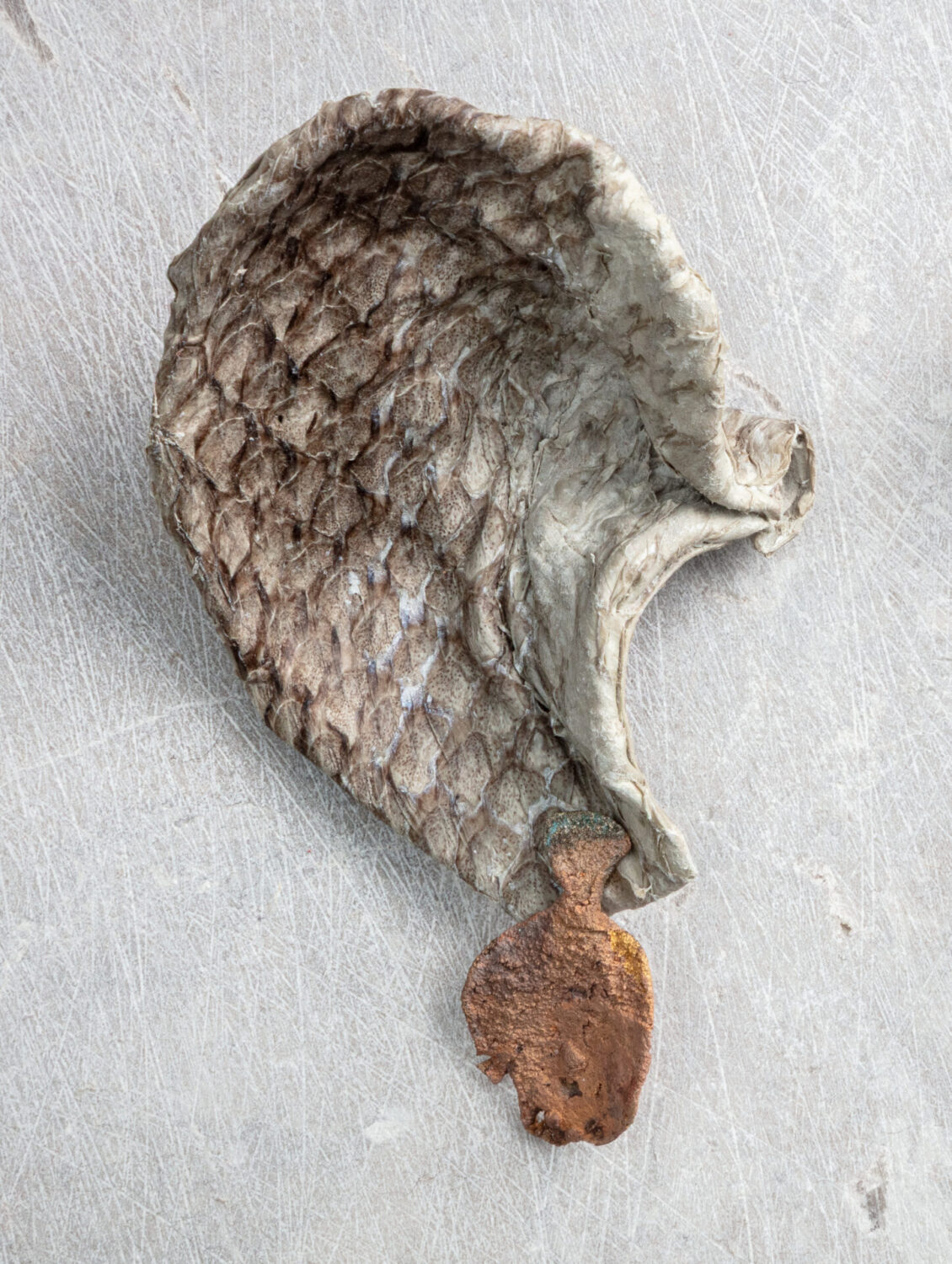
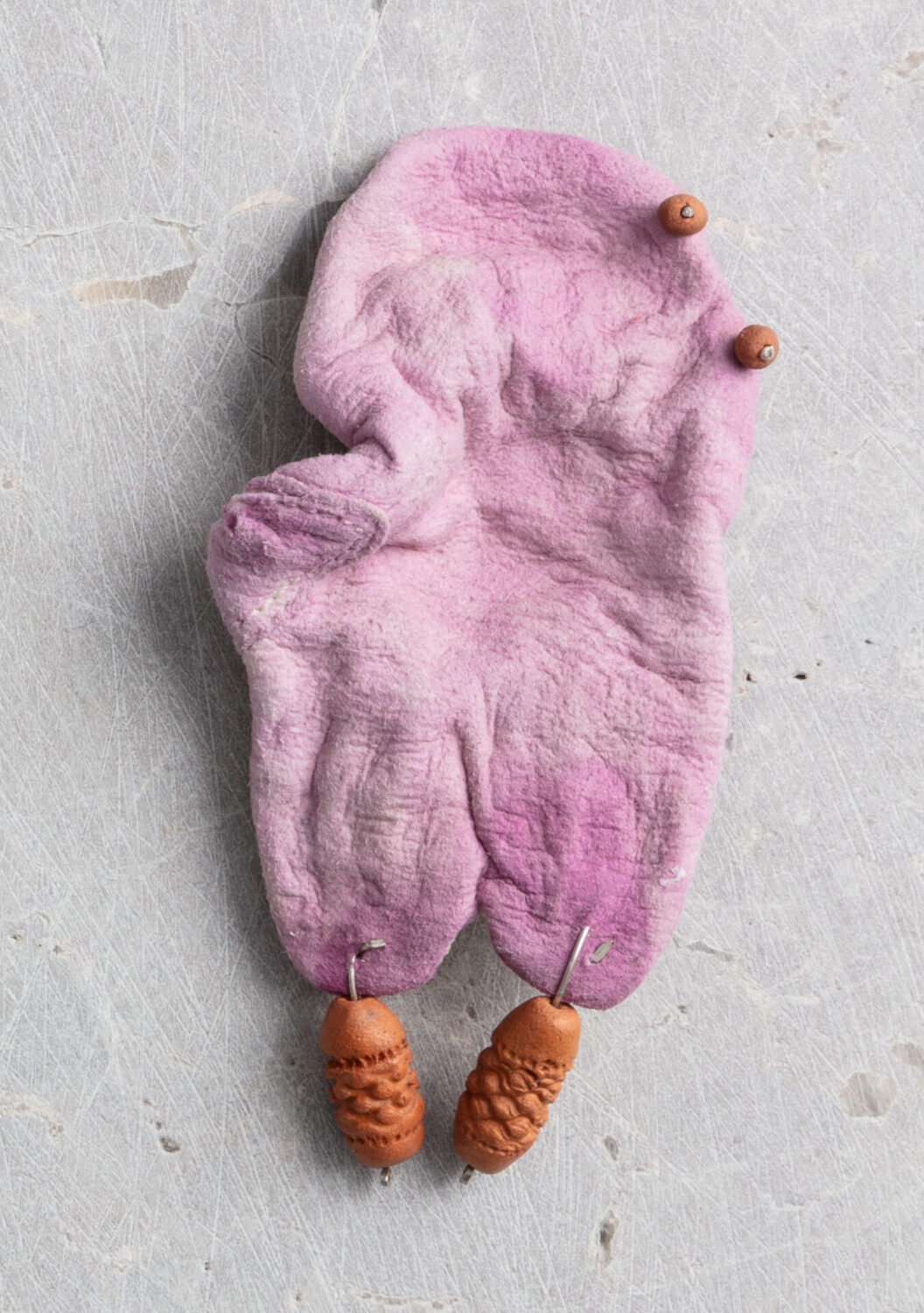
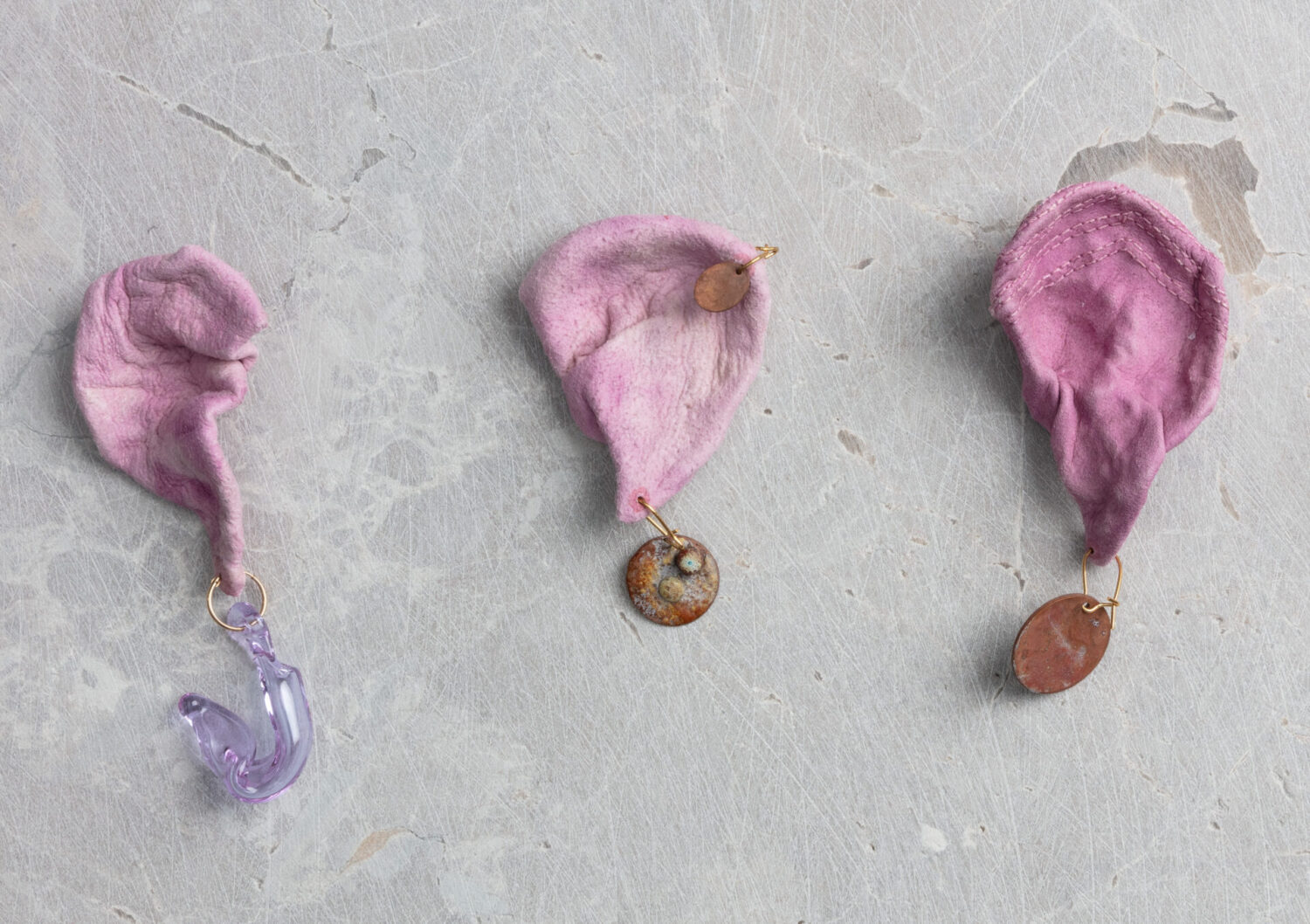
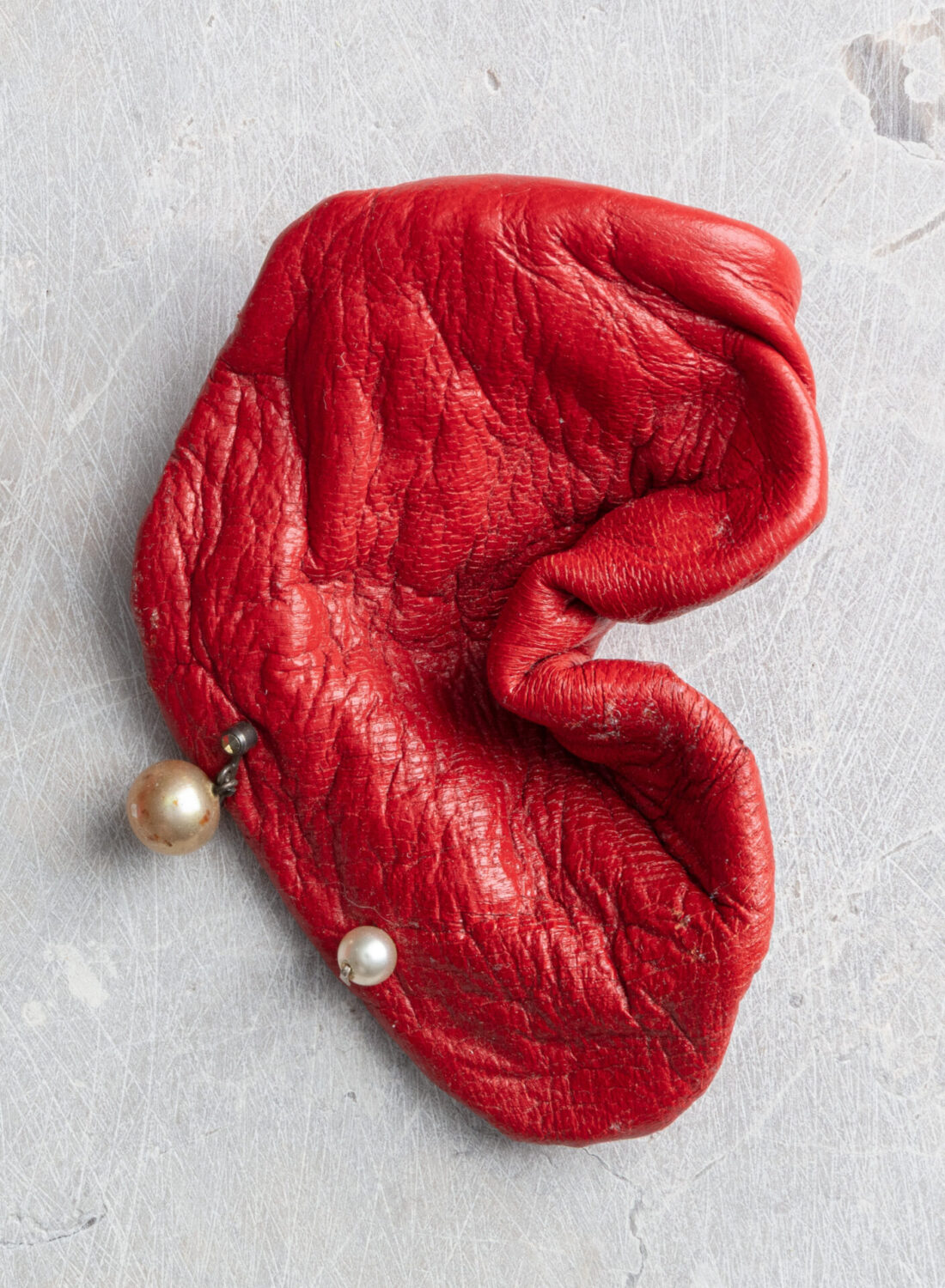
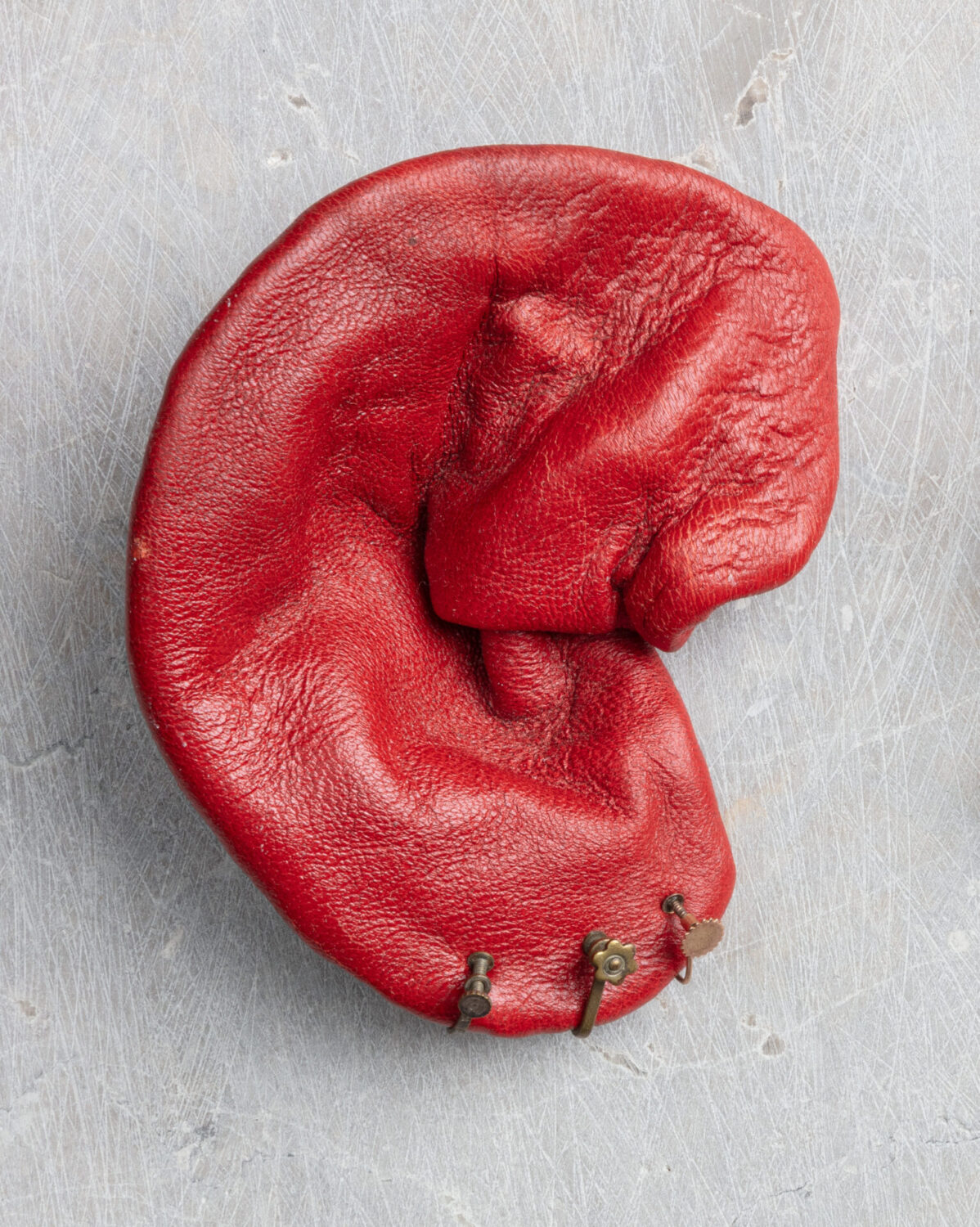
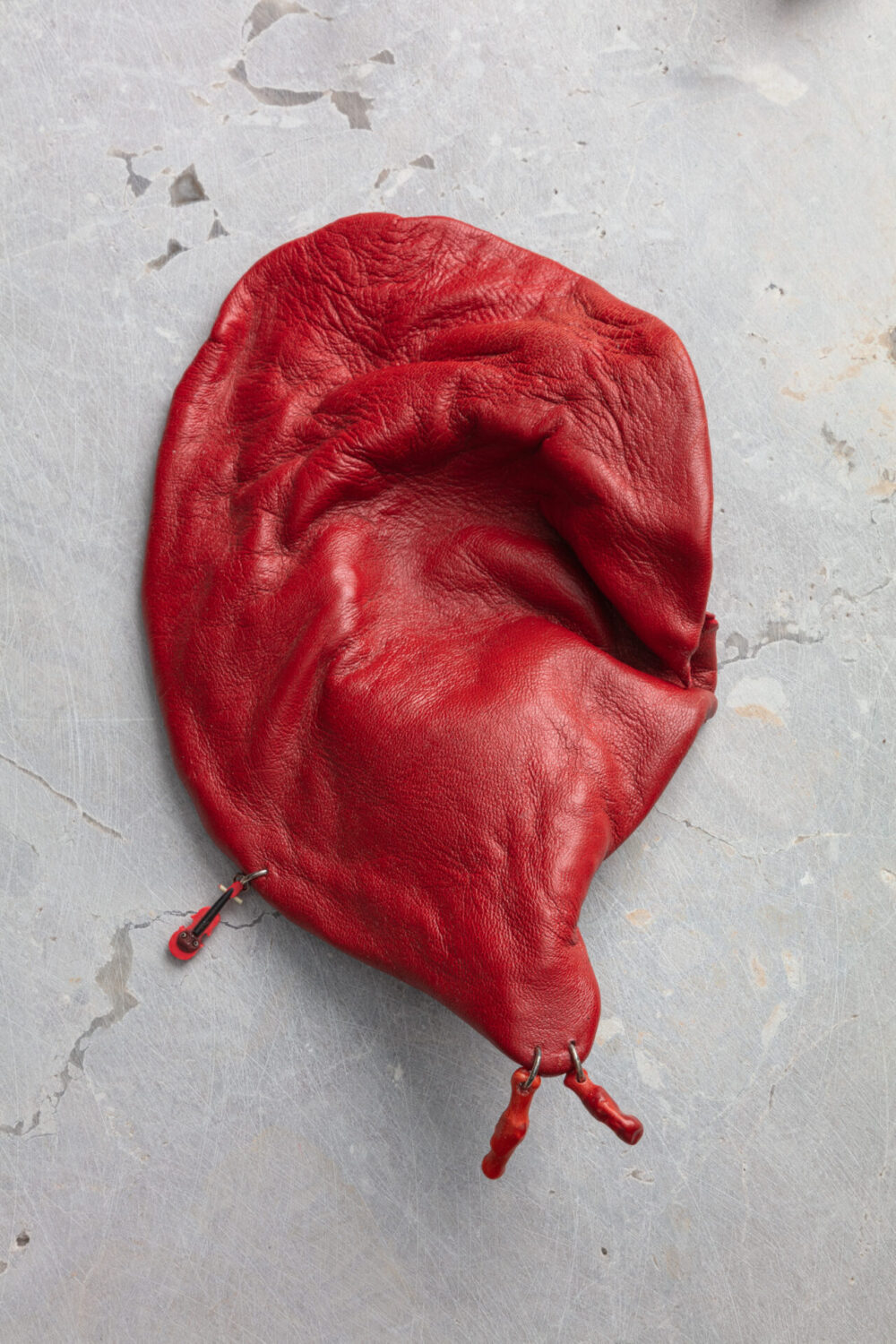
Francis Upritchard’John (2010) reclines on a tartan blanket whose pattern repeats across his painted body, as if he has been absorbed into its surface. Nearby, a collection of leather ears (2018) are pierced and adorned like cherished keepsakes. Their detachment makes this intimacy odd: they have been loved, just not worn.

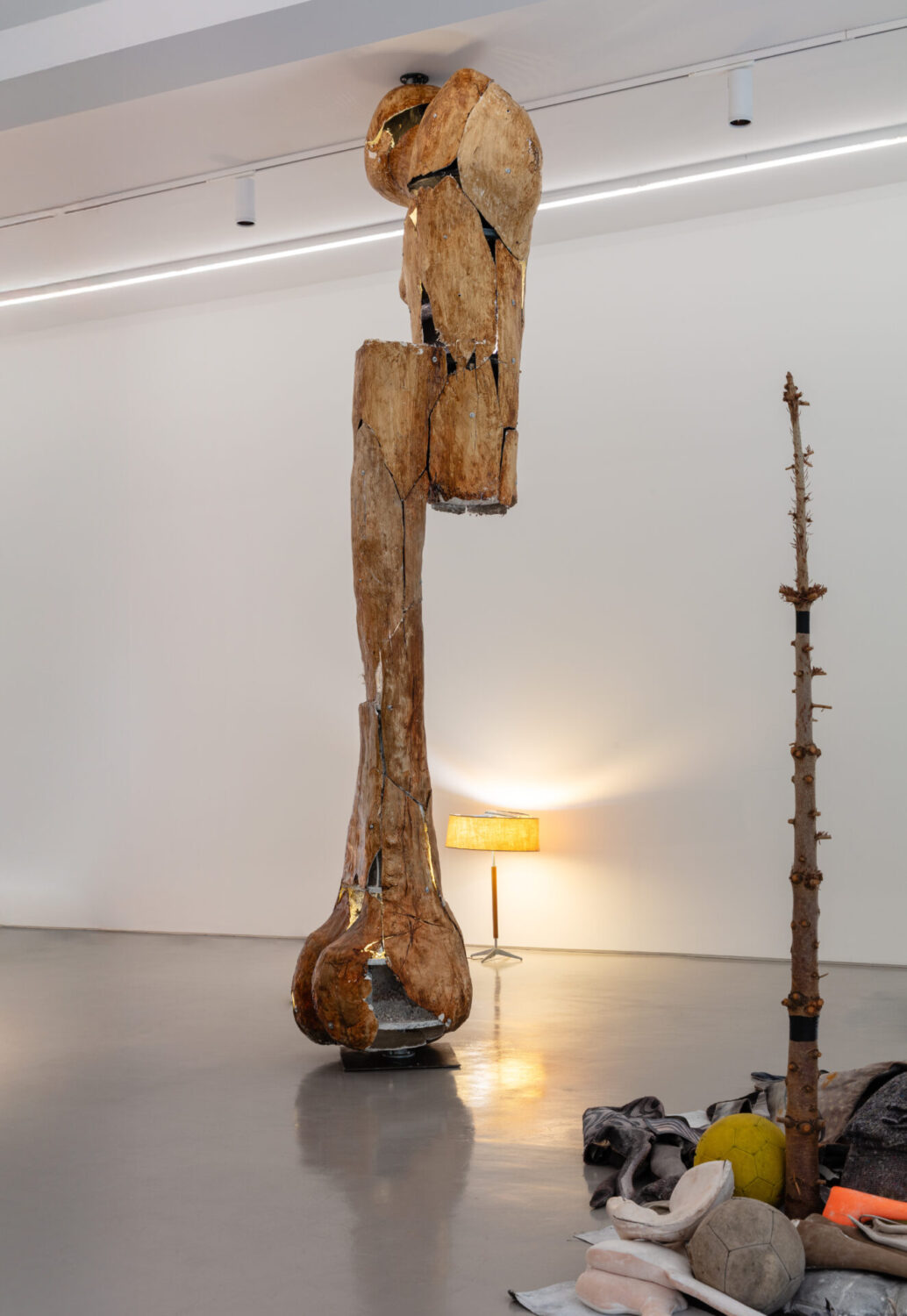
Chris Thompson’s Human Femur (enlarged) (2025) wedges an oversized bone into the gallery architecture. Cracked open, bolted together and filled with pebble dash, the sculpture foregrounds repair as both structural and aesthetic move. Its scale is insistent, yet its surface resists polish, holding tension between care and absurdity. 

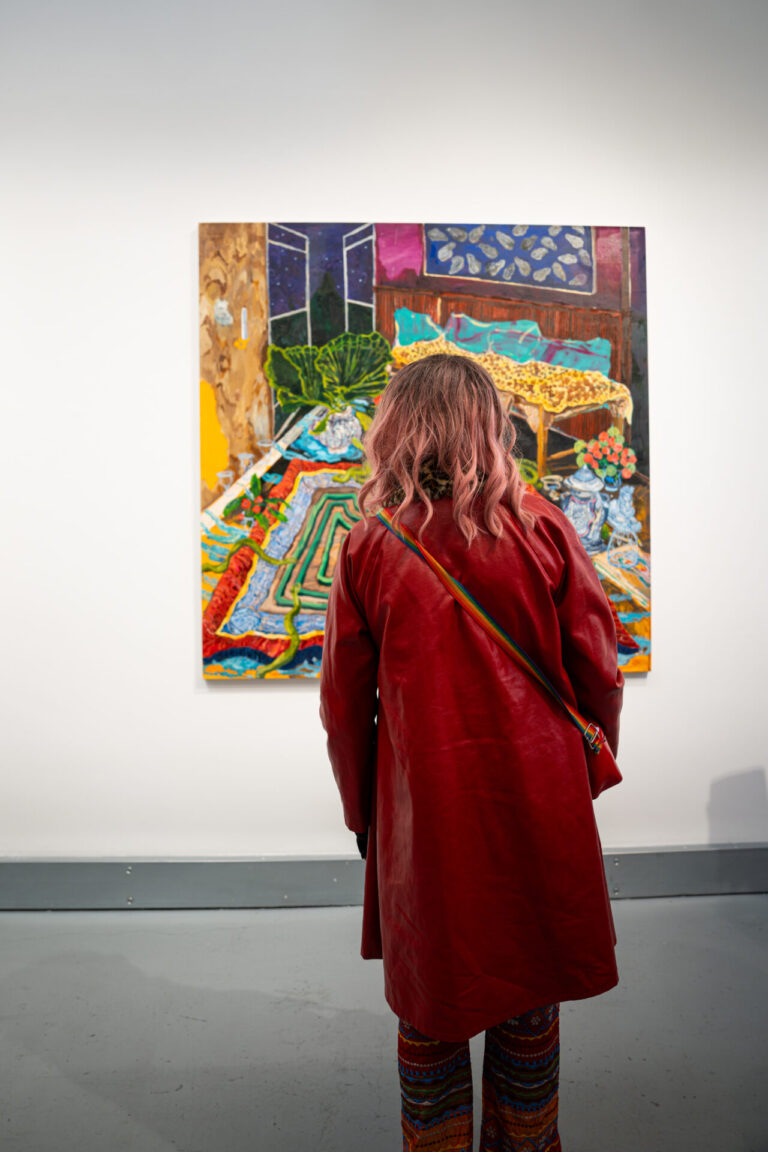
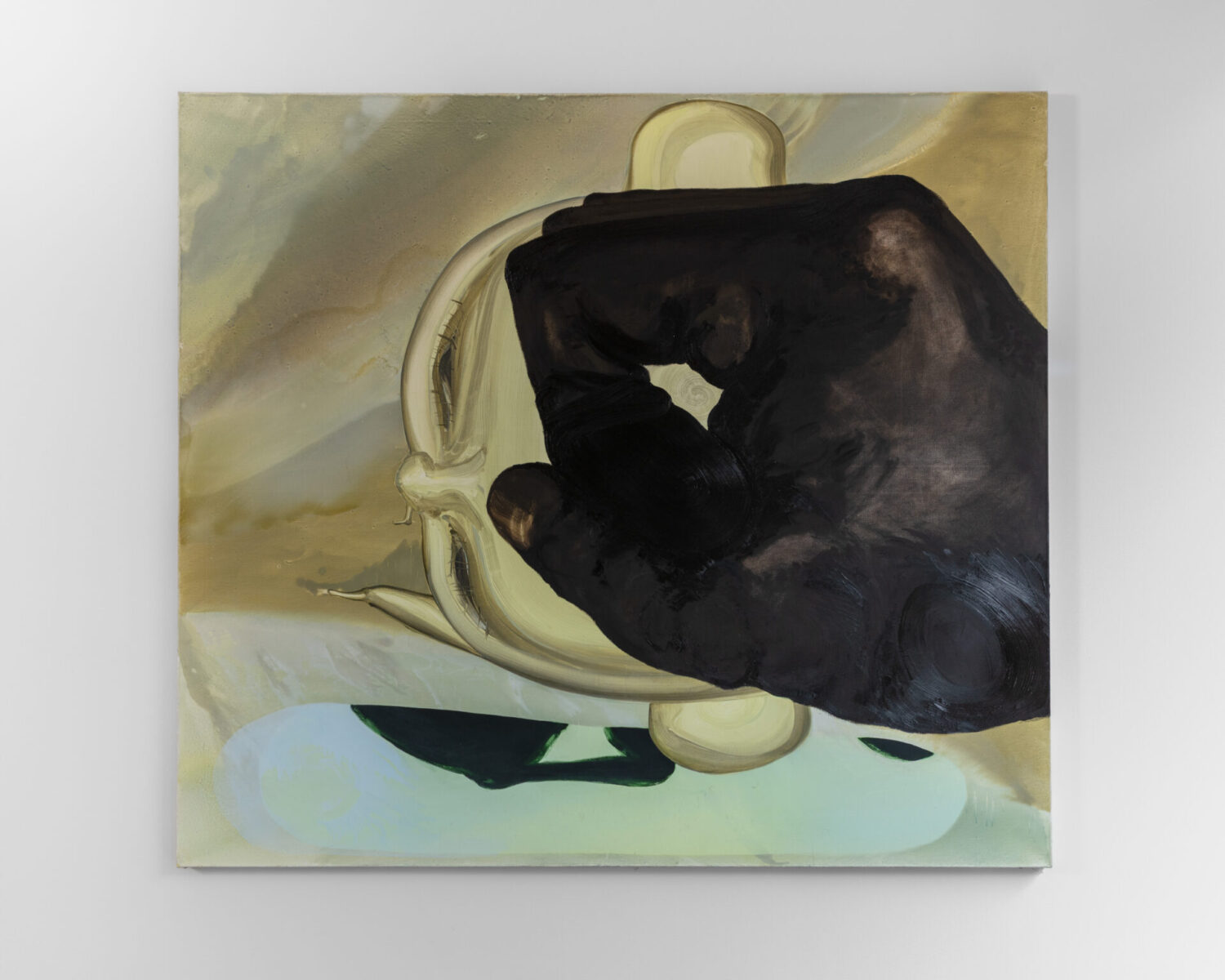
In Elinor Stanley’s You Do Not Do (2026), a dark hand presses down on a pale body. The compressed viewpoint destabilises orientation, making scale and position uncertain. The painting captures a moment of pressure without clarifying its source, suspending the body beneath a force that exceeds it.

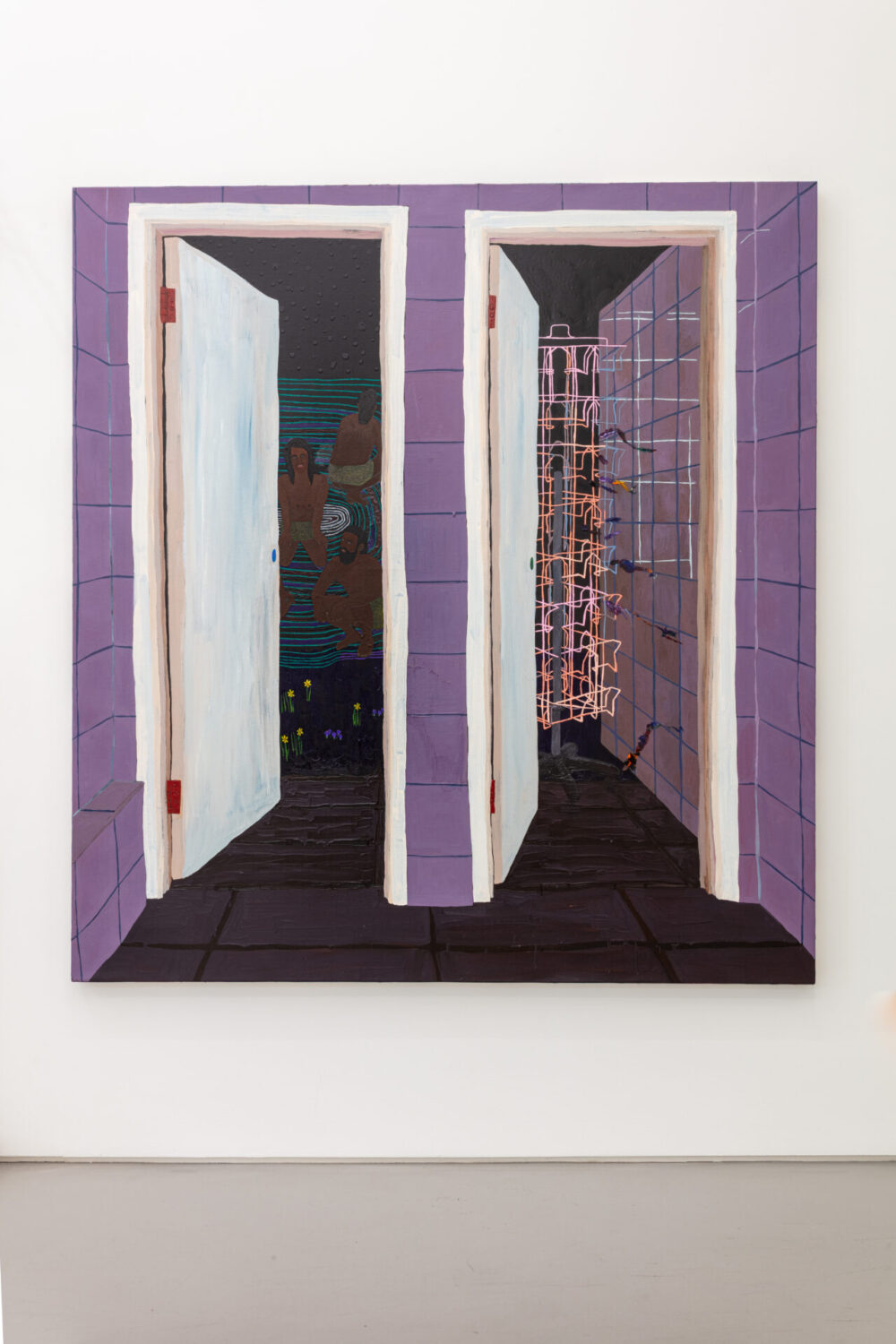
Max Prus’s Two Everlasting Doors (2024) presents a pair of ordinary doors opening onto contrasting realities. The familiar holds its shape just long enough to make the rupture feel strange. 

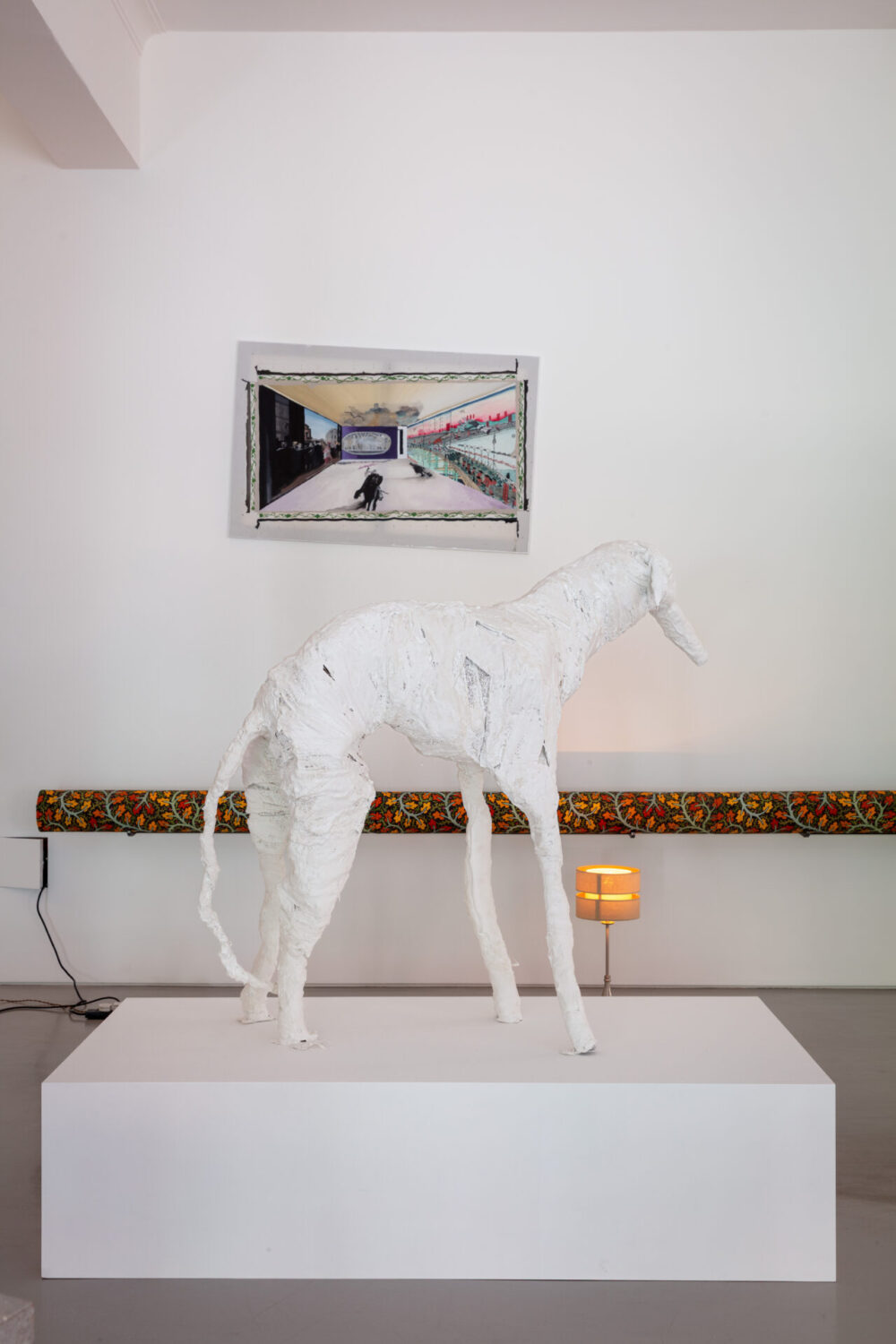
Gina Fischli’s Sculpture Ruth (2024) depicts a dog poised somewhere between instinct and training. This white, roughly wrapped form with uneven legs gives this creature a tentative, emotional and unstable presence. 

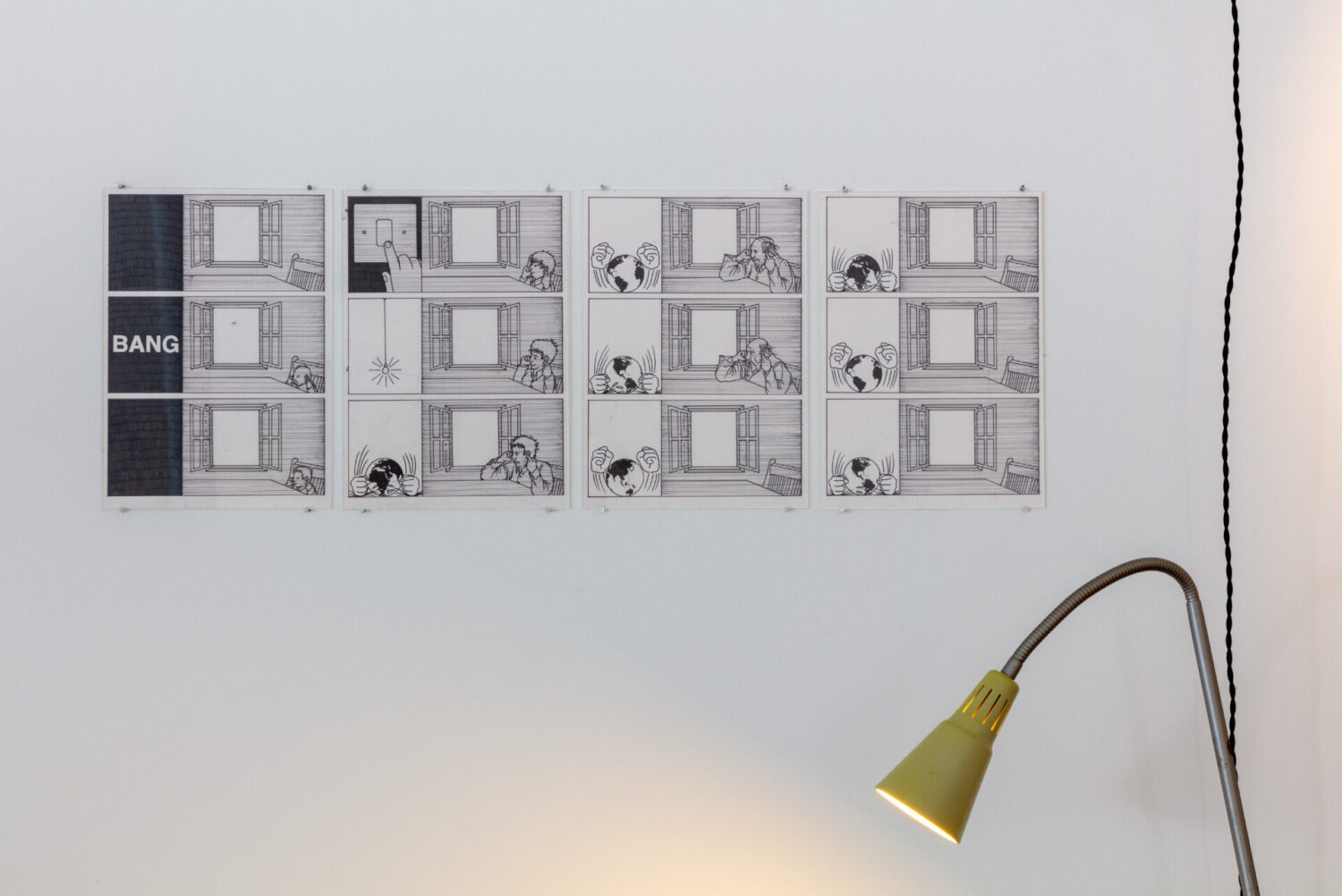
Sebastian Jefford’s drawings populate the space with figures that appear infantilised and exhausted. Within these cartoon-like narratives, even moments of imaginative escape feel constrained, and violence unfolds in a subdued, matter-of-fact way rather than as spectacle.

 This exhibition is part of the sixth edition of London Gallery Weekend, 5th -7th June 2026. On 6th and 7th June, the short story Response to a Request (1907) by Robert Walser will be read on the hour, every hour, throughout Saturday and Sunday. All artists in the exhibition have been invited to read the text. Each reading will be followed by a request or a response. 

The curator, Brian Griffiths, will be present awaiting queries, prompts, appeals and solicitations.