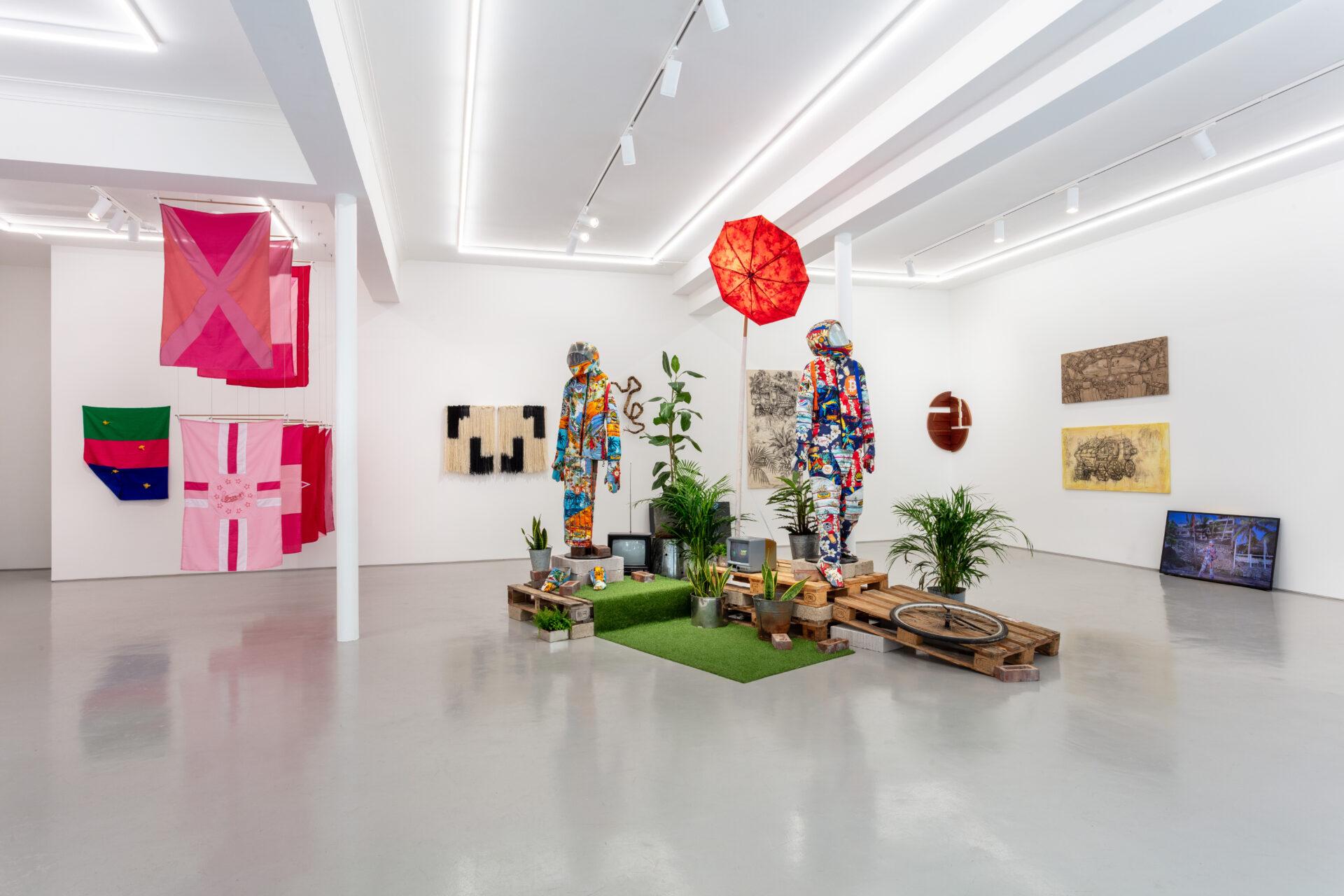
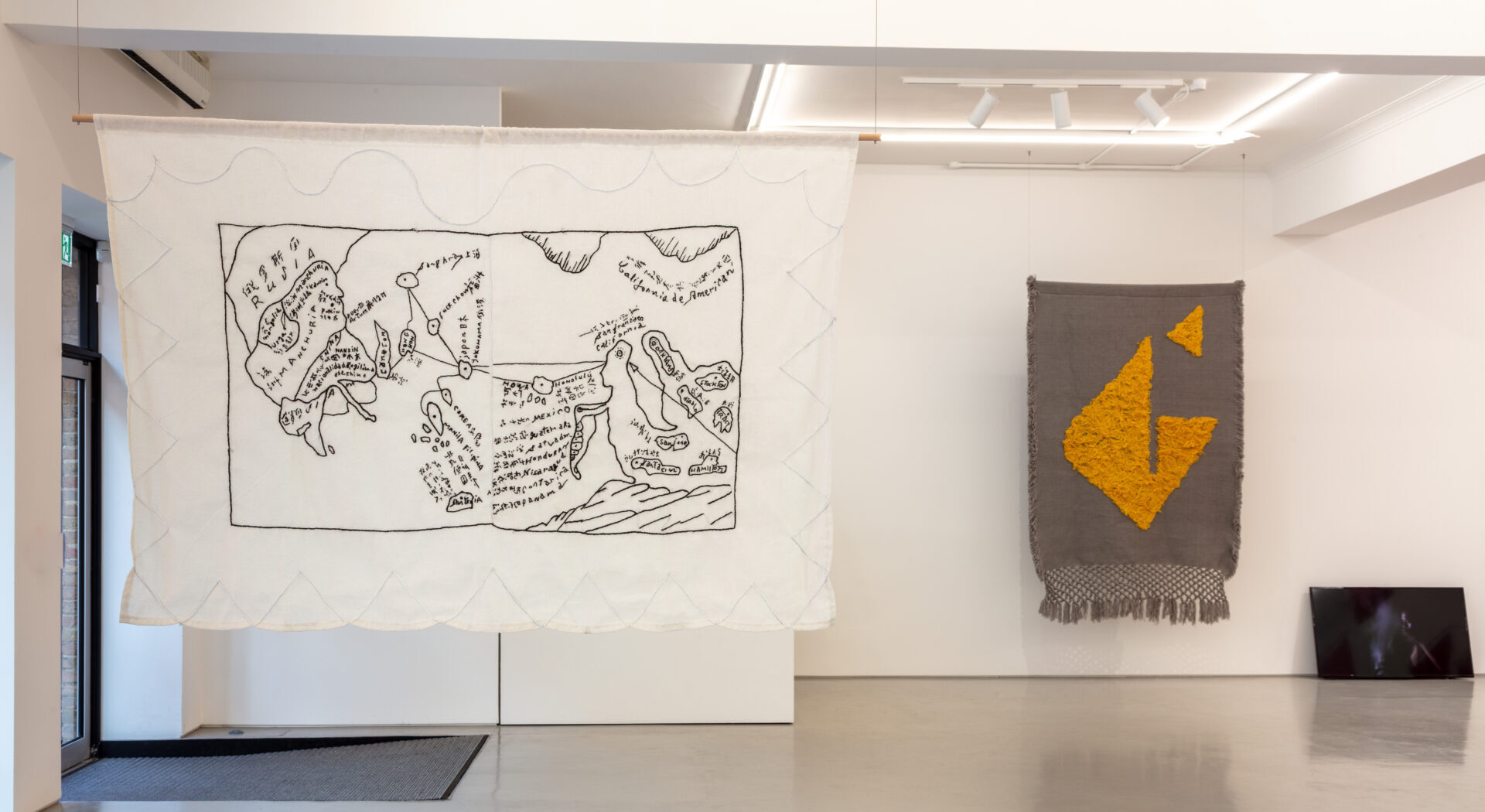
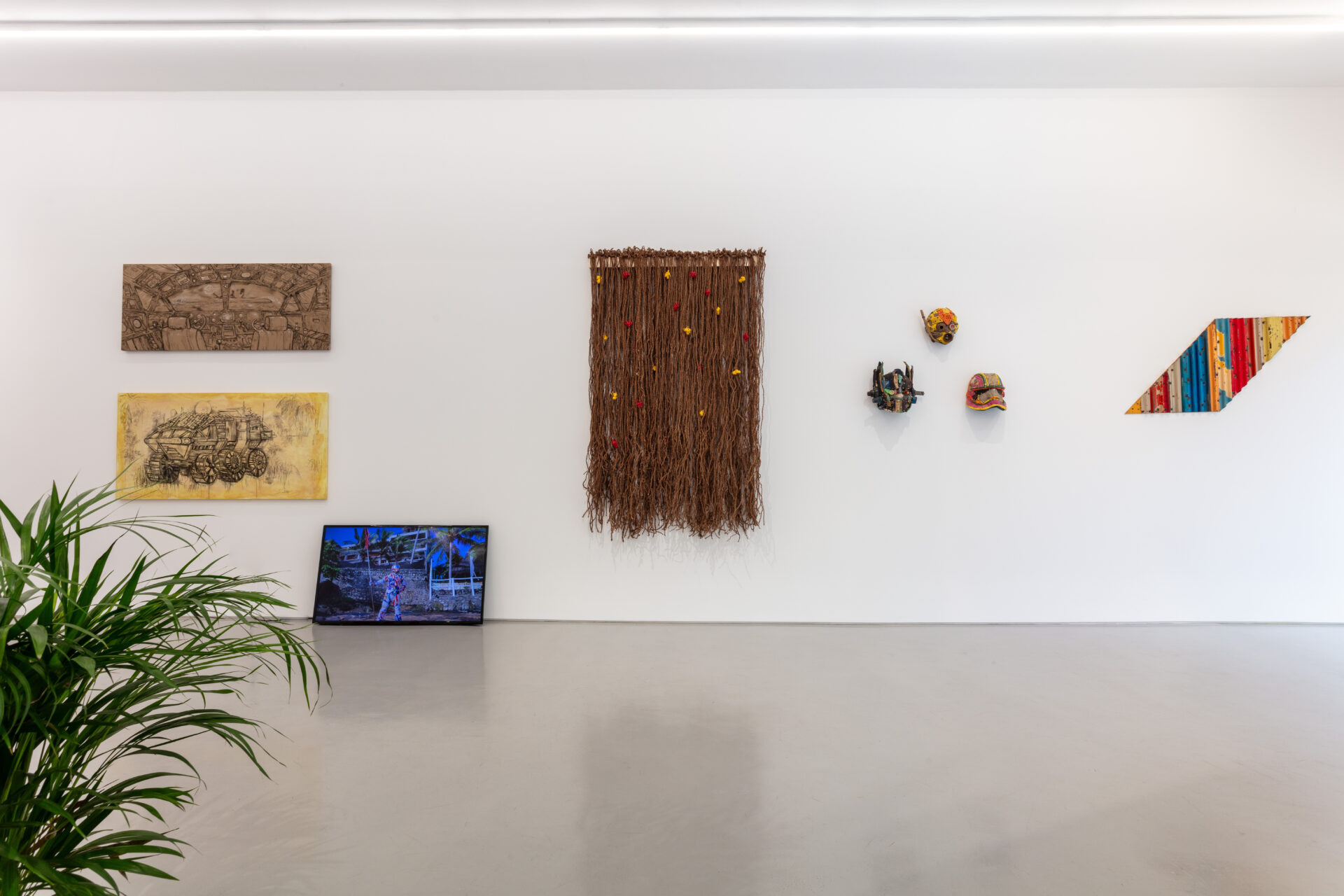
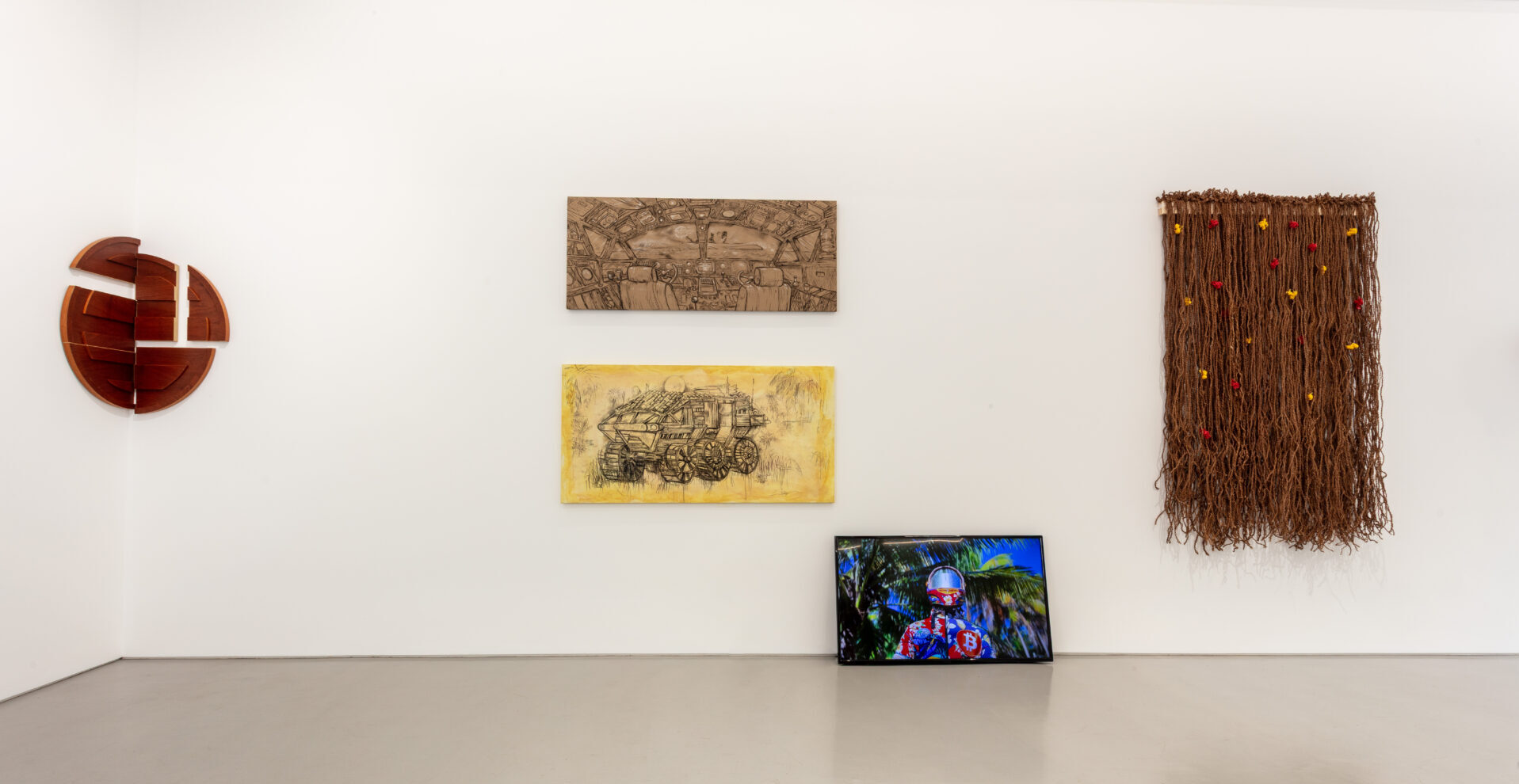
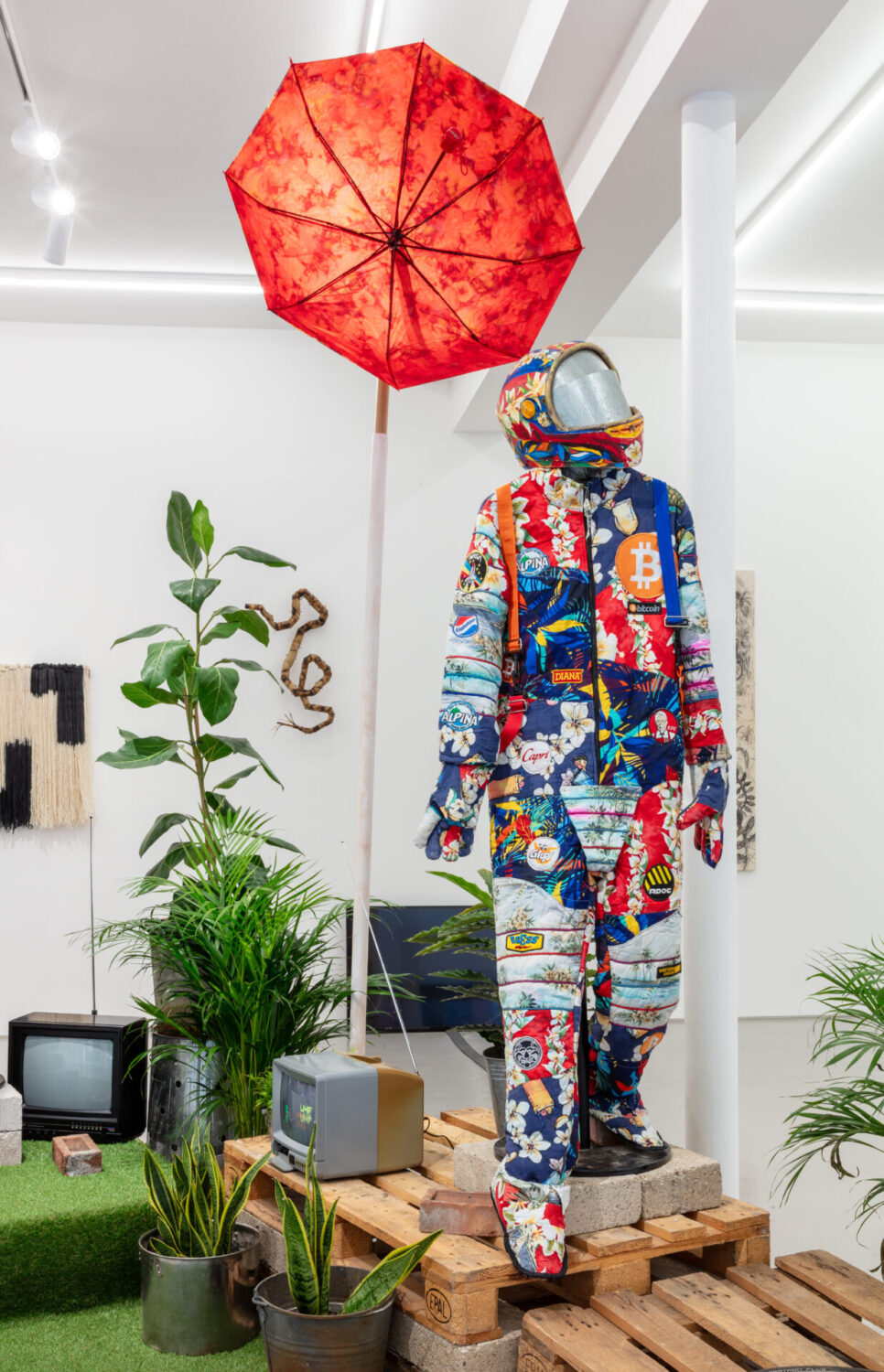
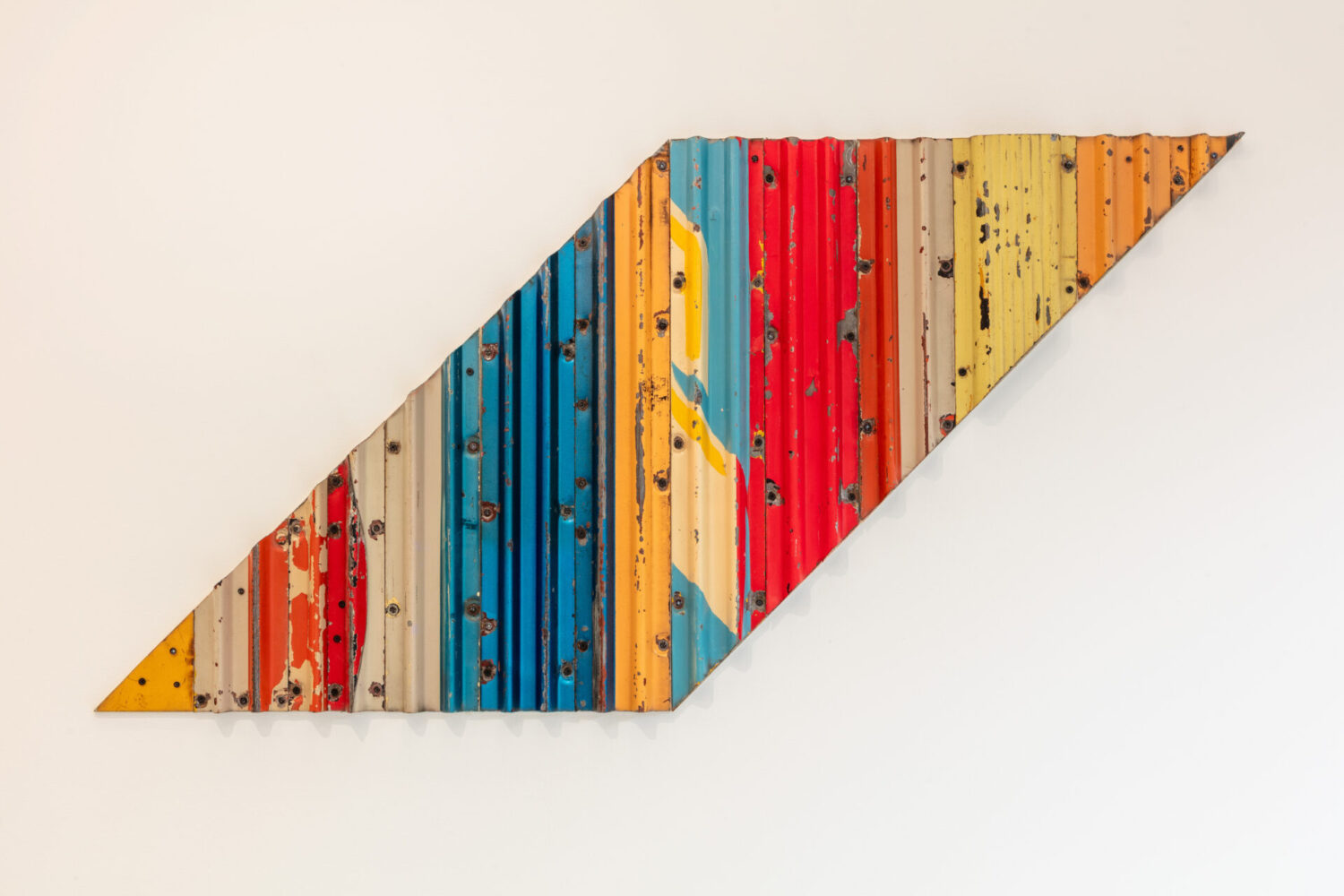
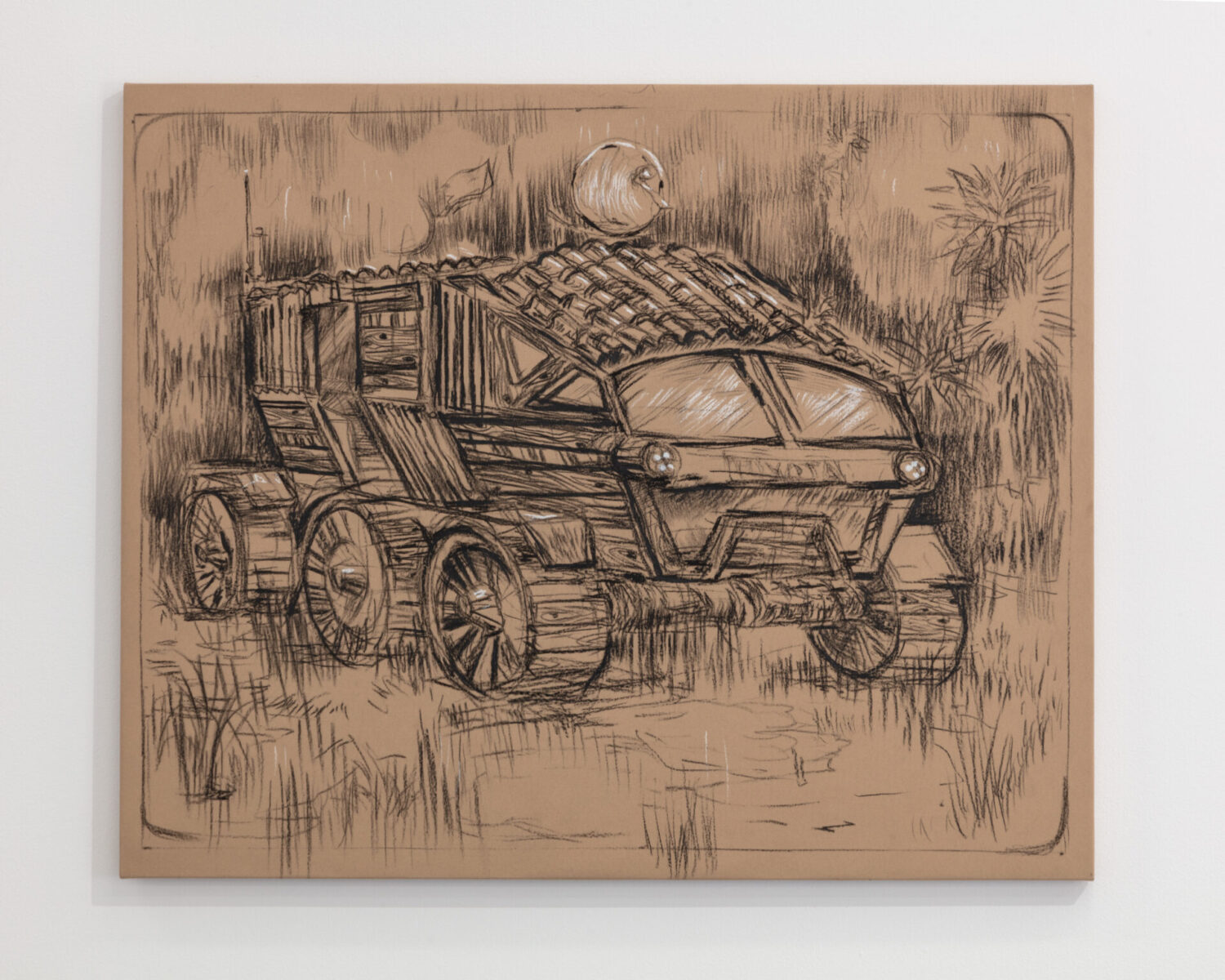
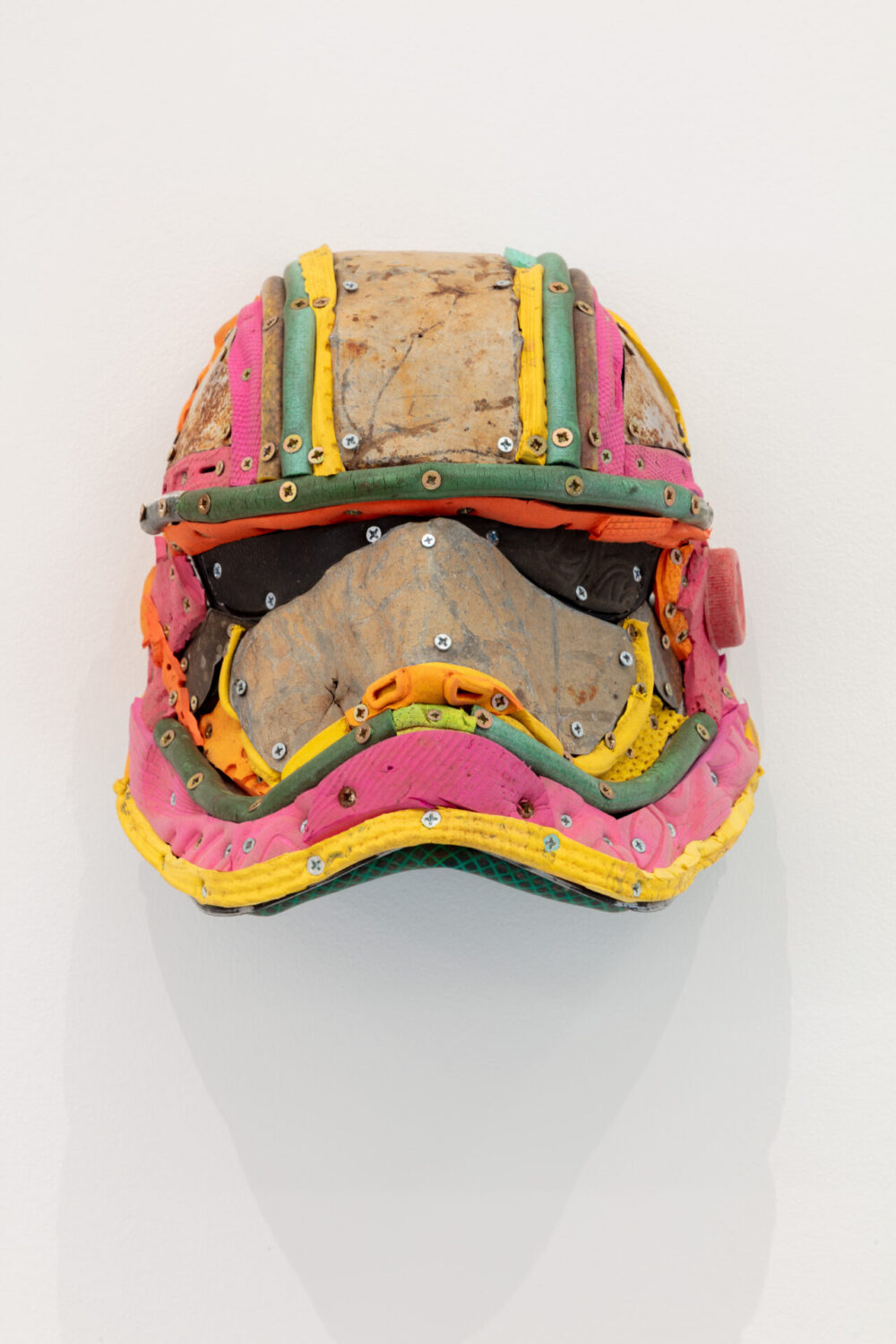
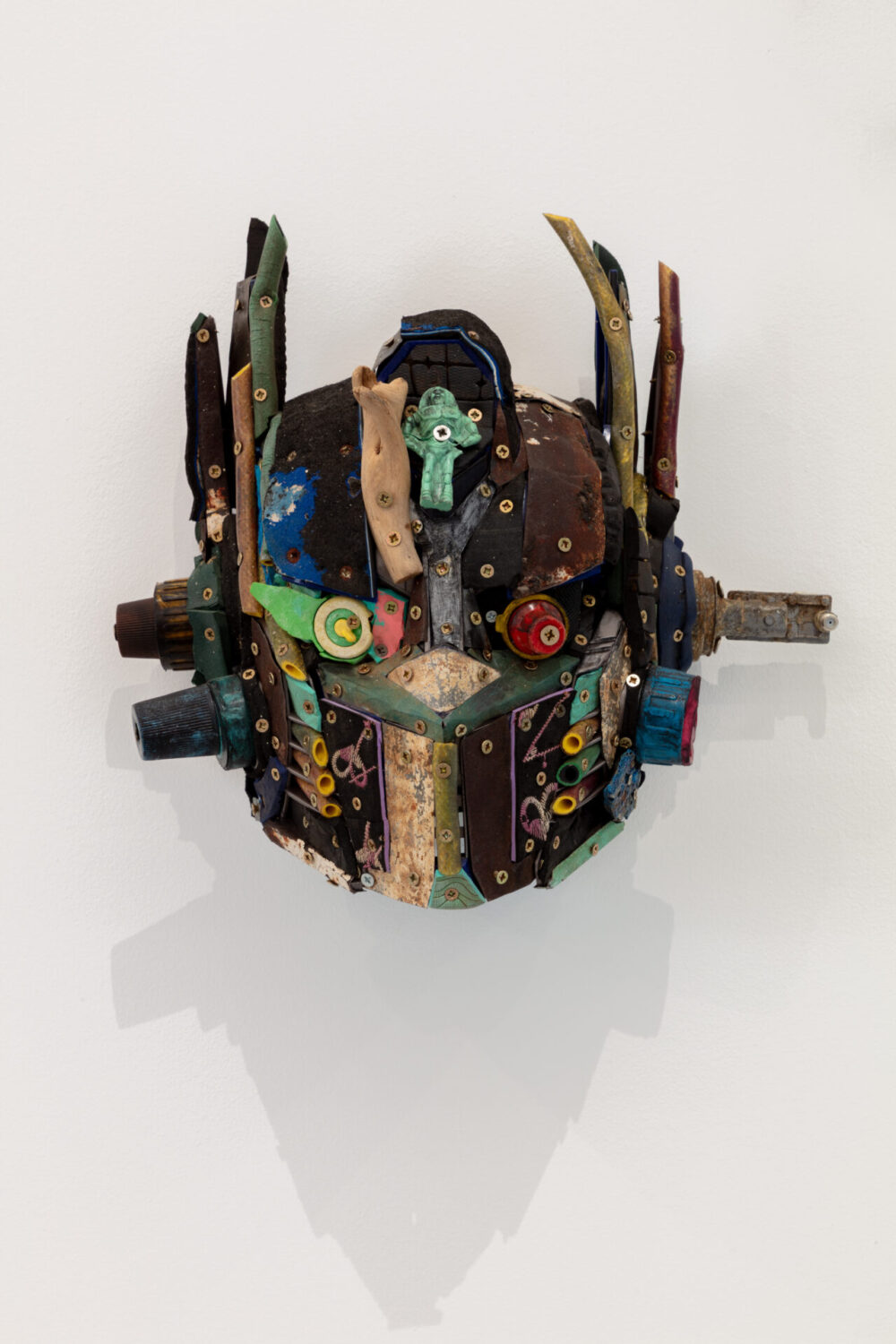
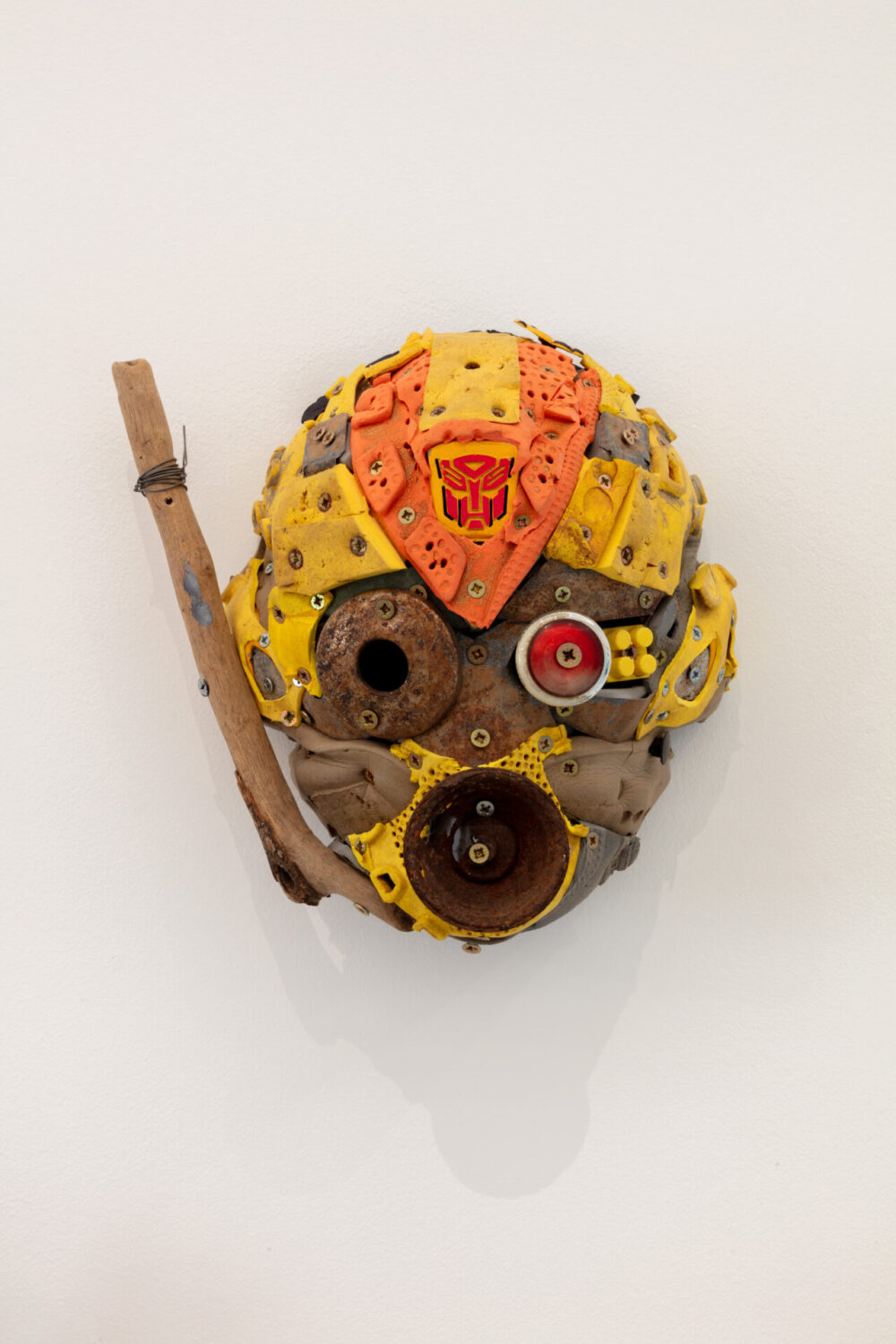
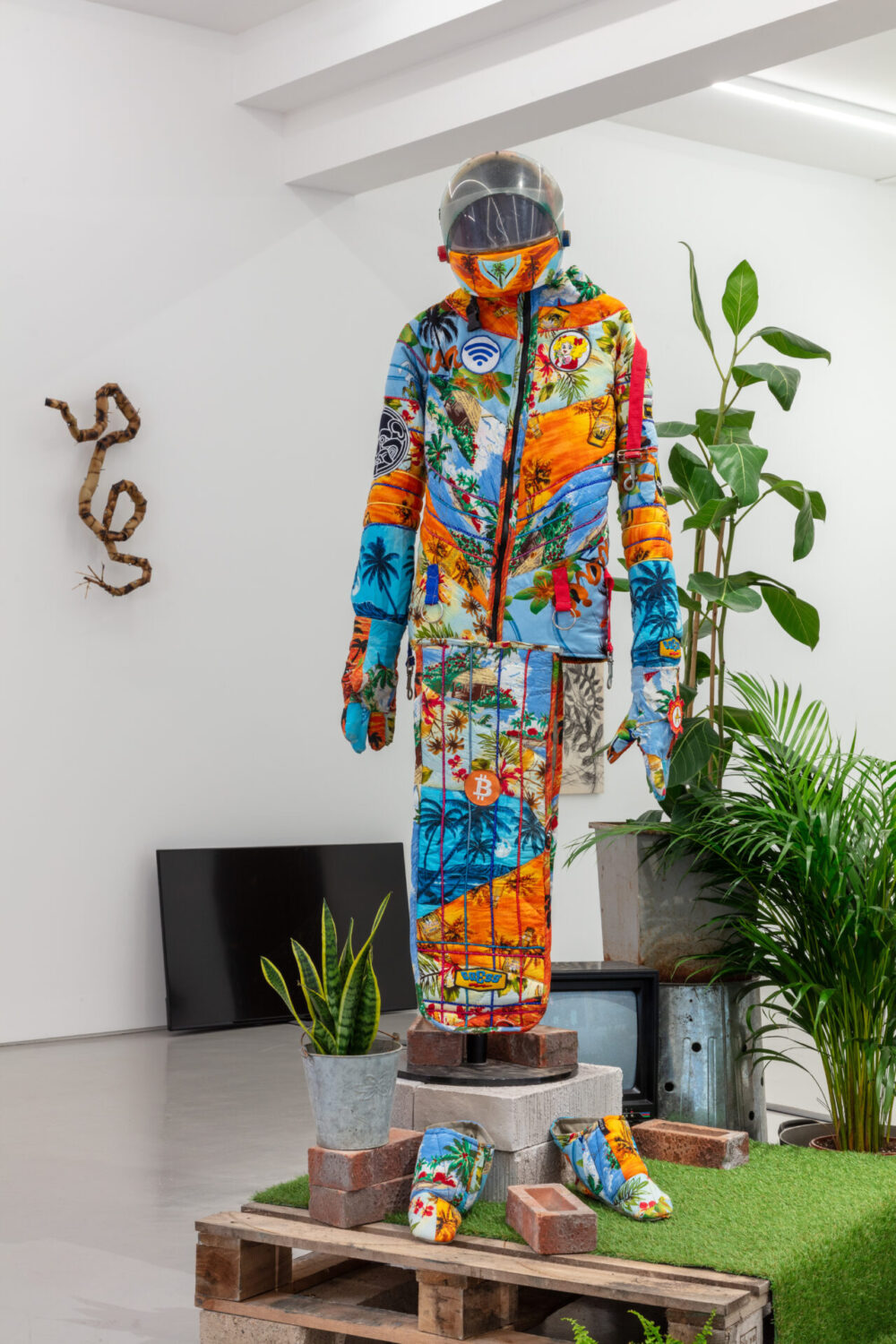
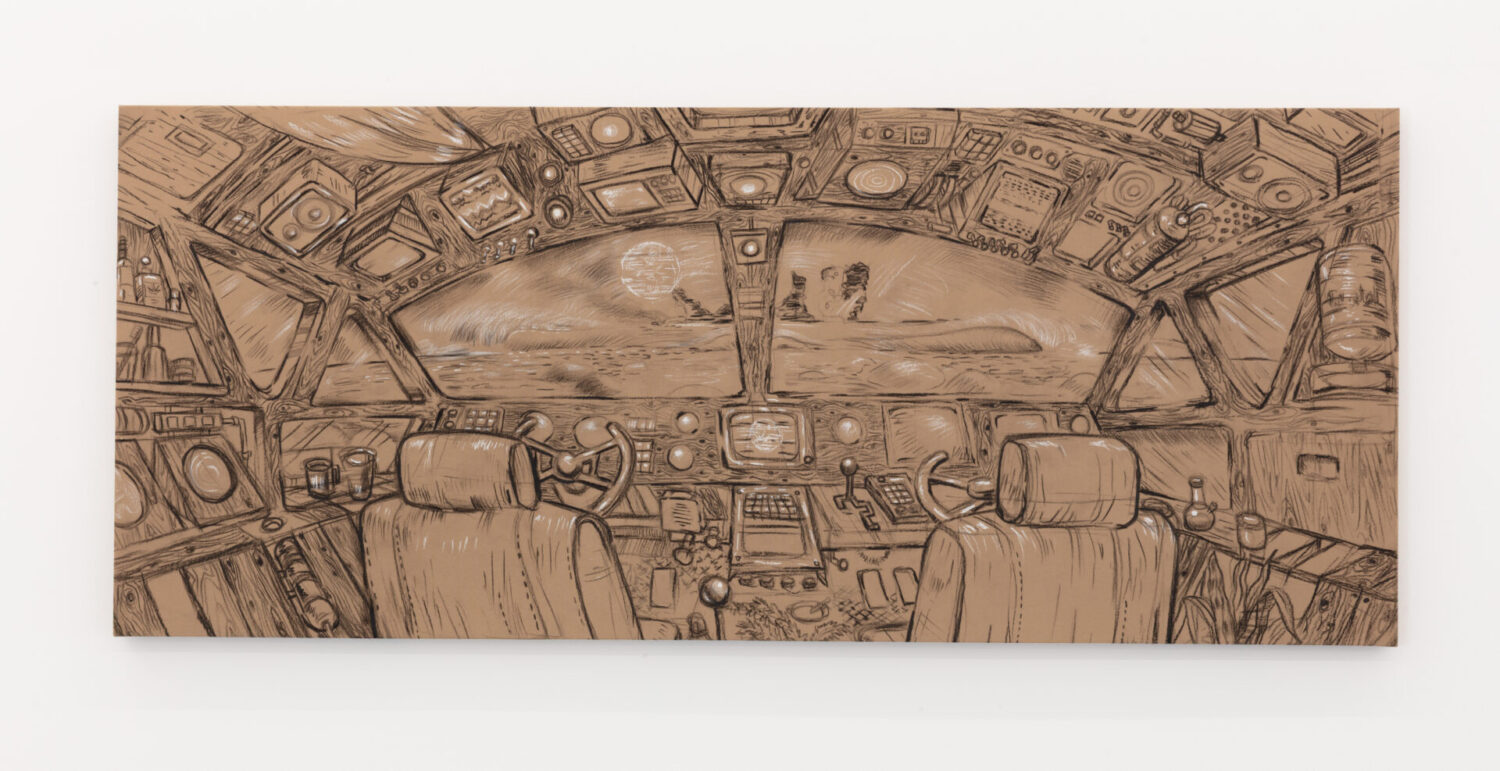
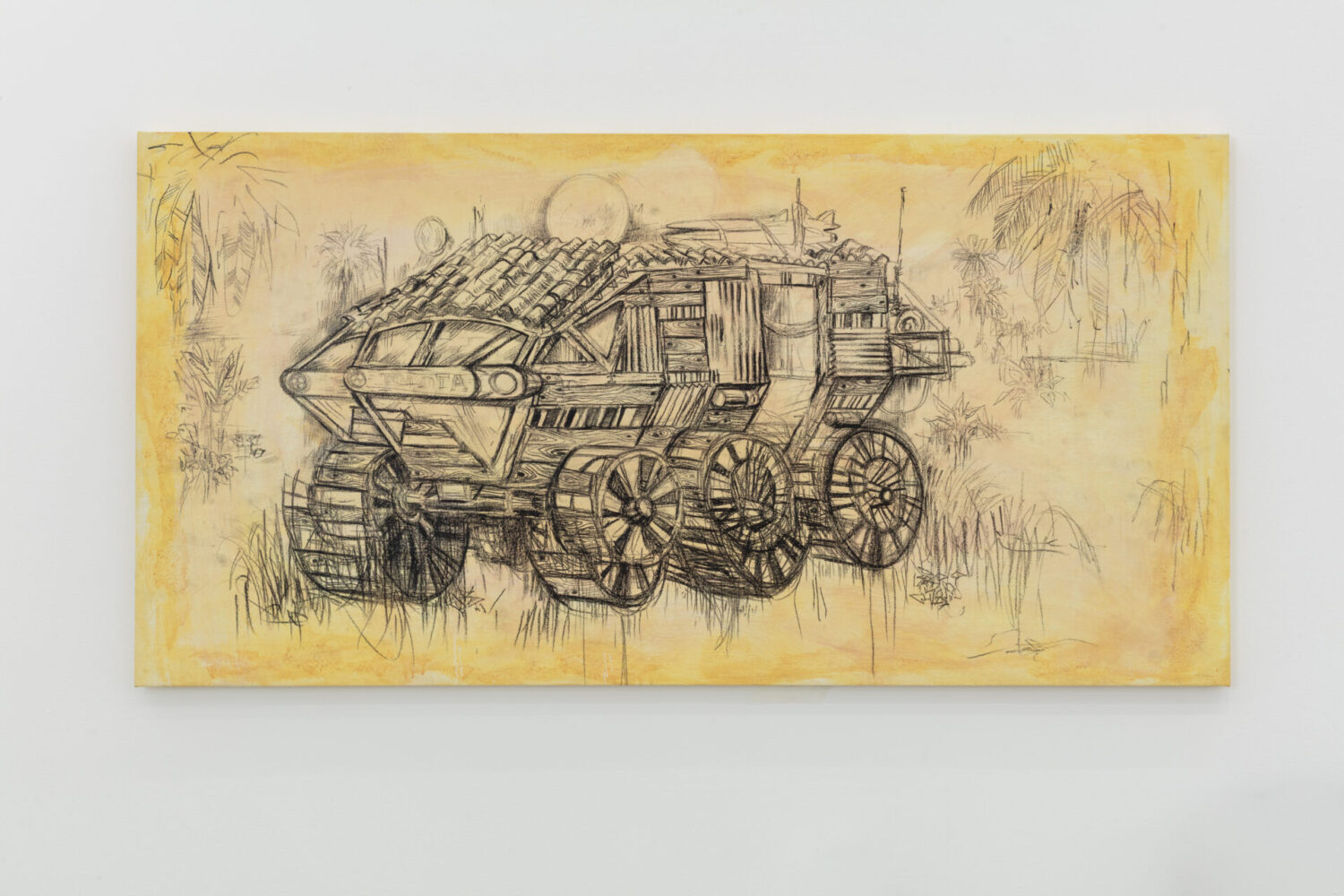
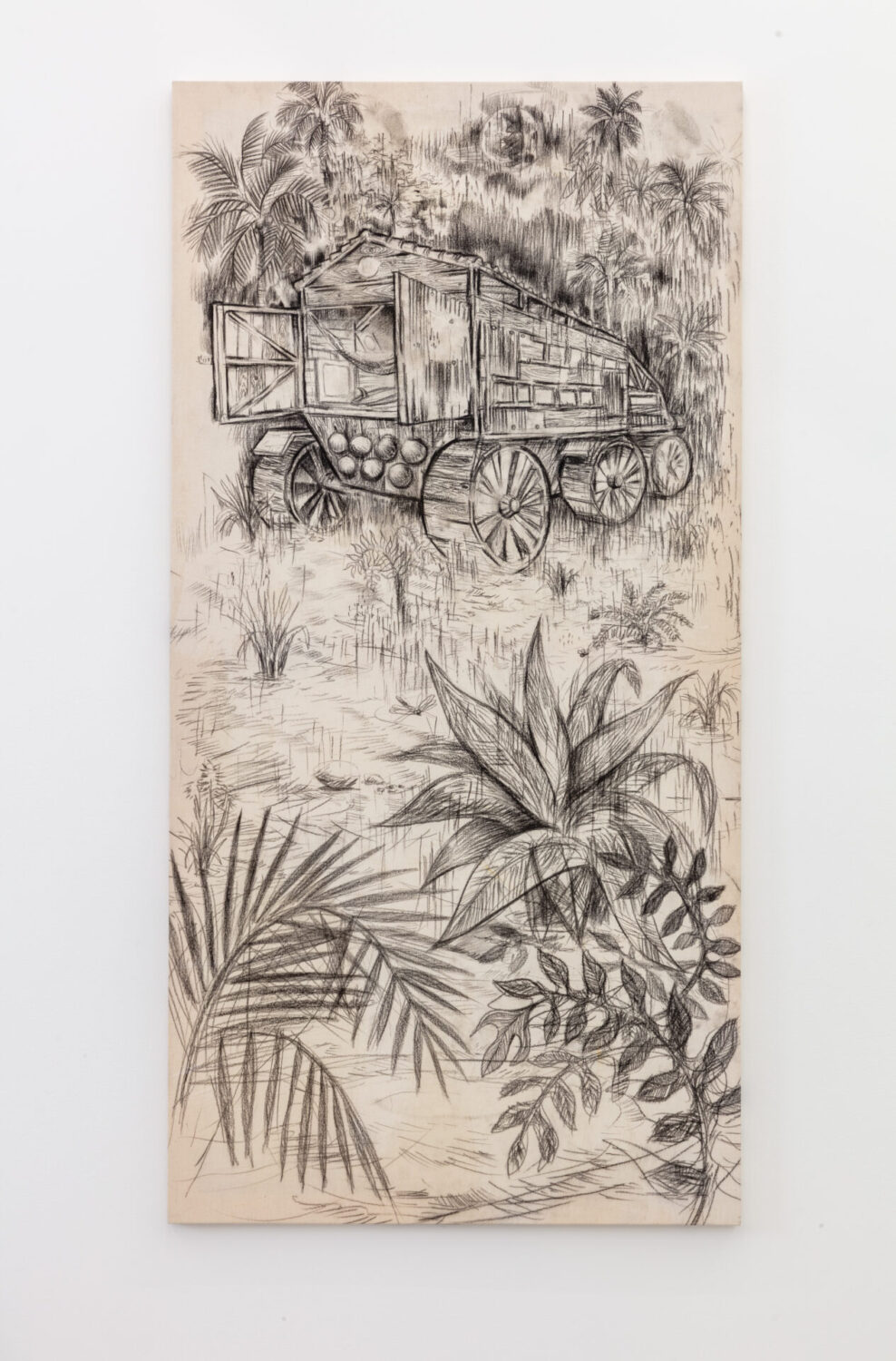
Simón Vega from La Libertad, El Salvador; Esvin Alarcón Lam from Guatemala City/Chiquimula; and Antonio Pichillá Quiacaín from San Pedro La Laguna, Guatemala, make something tangible out of the possible as an aporia and historical antonym of that “other.” They make absence visible, bringing it into existence, naming it, occupying the space left empty — the corners — finding forms and uses for the bodies that emerge in the landscape (the warp of tree trunks jutting from Lake Atitlán), using what is discarded as trash (recycling materials found while living alongside the sea), redrawing what has been forgotten (maps and ancient writing), blurring and recording what once was — what could be a Moon Rabbit Lunar Rover, a little vehicle of the future on the Moon, built and dismantled for the Oku-Noto Triennale in Suzu, Japan, in 2021. That is, they show the presence of the other who needs no explorer, no discoverer, in order to be and to exist — because it can be, because it was there, because it will be, even without the gaze — perhaps arrogant, perhaps naive — of the other who believes they make it exist.
The genealogies and the sociocultural, family, and individual experiences of each artist converge in a collective exhibition, arranged through an ongoing dialogue over several months. Our Place in These Worlds is an exercise in self-curation, a negotiation of learning about, understanding, and juggling the diversity of perspectives on the relativity of the reality that defines them. It is an exhibition with the potential to bring together the passionate fascination shared among the artists for observing the other, who interprets, explores, and represents what they consider “the other.” The other observed, while observing and constructing the other, is a look at the stigmas, absences, and suppressions within the dynamics of mobility, which cannot interpret others except by seeing themselves, amid the disjunctures of the world-system.
Mobility (migration, human trafficking, maps recording the path travelled, arriving and making one’s presence known through monuments that recall the territory left behind — the Silk Road); the belief that just as Europe came to know the world — what they call “the discovery” — it might also “discover” the Moon; the fact that contemporary monetary and economic innovation is no more than the same old thing, claiming to include when the majority remains excluded (digital currency); the diabolical construction of the other because they were not known but rather explored and exploited according to the coloniser’s rules (Kukulkan/Q’uq’umatz/the Feathered Serpent as a demonic manifestation for indigenous peoples according to Christianity). Observing, encountering — even amid disjuncture — energises the localities and everyday lives that will always add to their own time and space, giving something to whoever arrives, whoever leaves, whoever returns, the traveler, the tourist, the academic “discoverer,” and the local — perhaps to the one who believes themselves a citizen, perhaps to the one who resists because the system makes it known that they are not. This exhibition gazes at the other looking at the other, as a VERB.
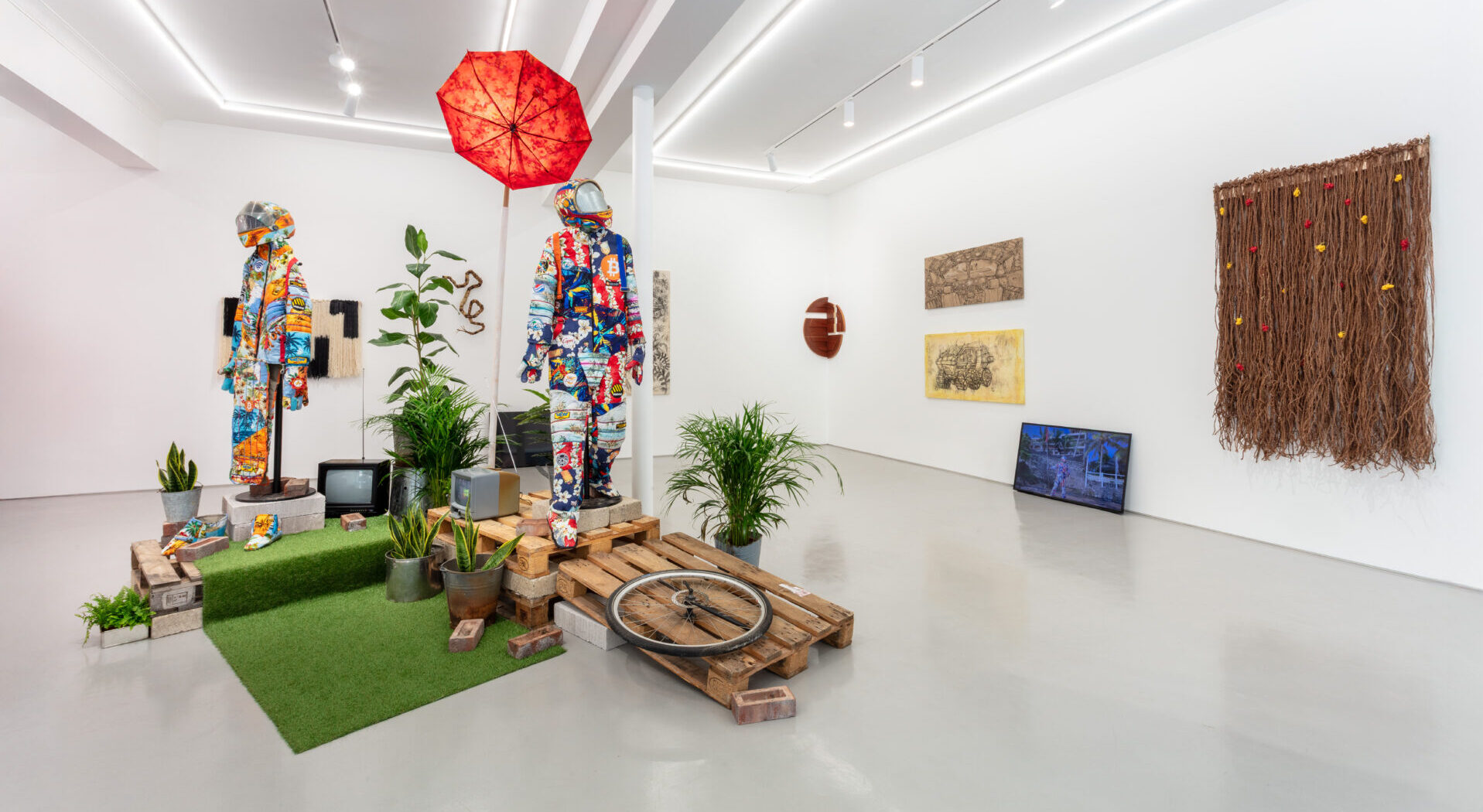
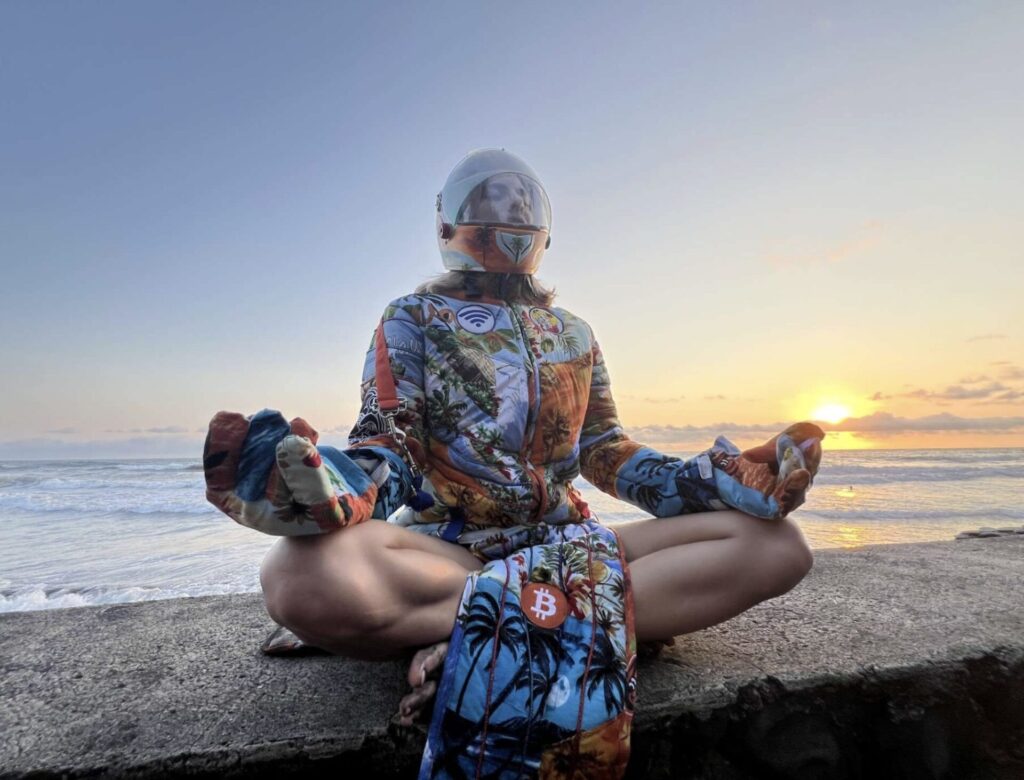
Simón Vega sets opposites in dialogue — discordances, the analogies that become ironies of the obvious within contemporary colonialist narratives: as imposition, as exploration, as invasion, as academic procedure, as tourist flow, as digital monetisation within these global disjunctures and inequalities — dynamic, current, and lived, at once so local and so global — drawing from his passionate life with the sea and surfing in the community of La Libertad, El Salvador.
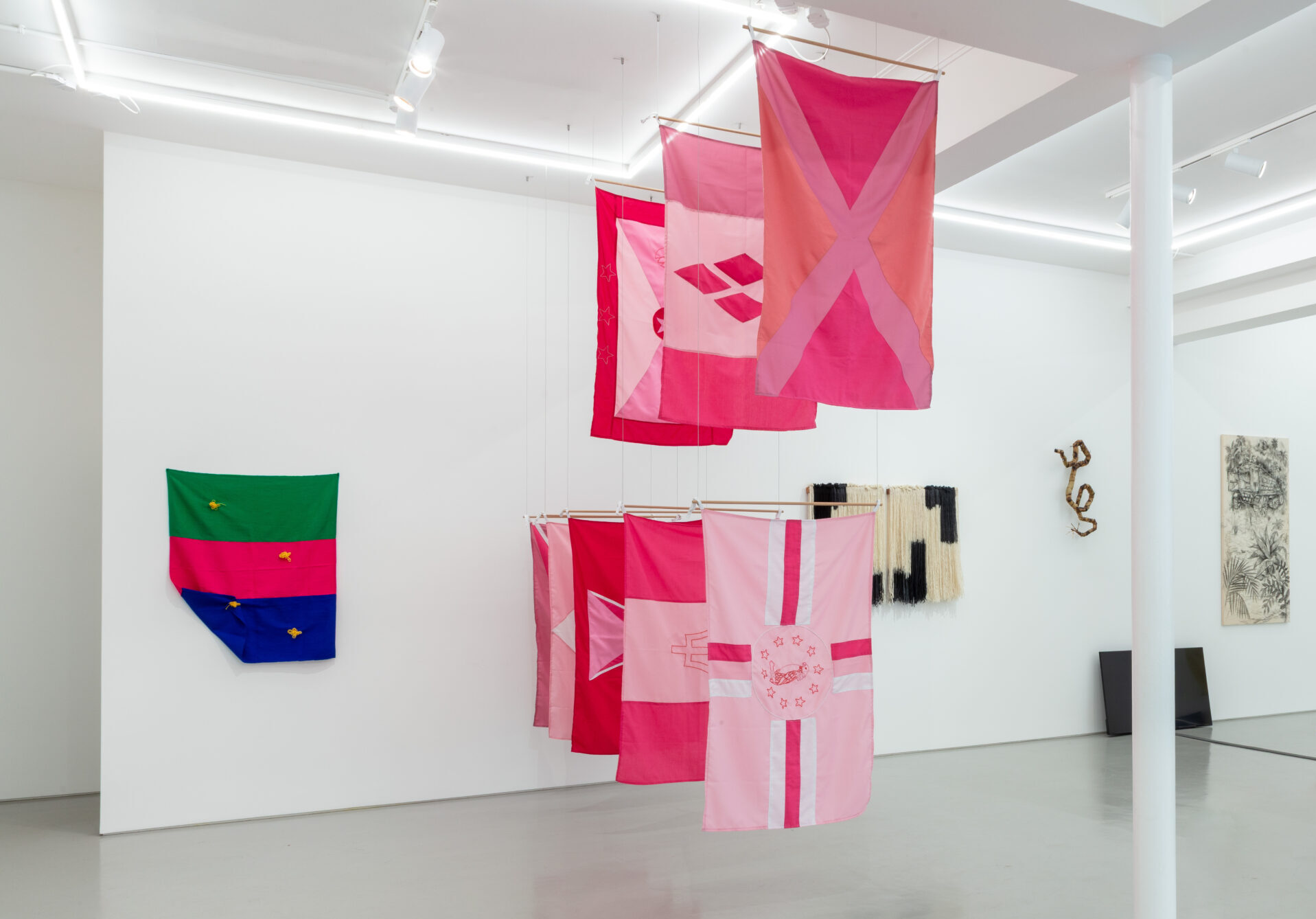
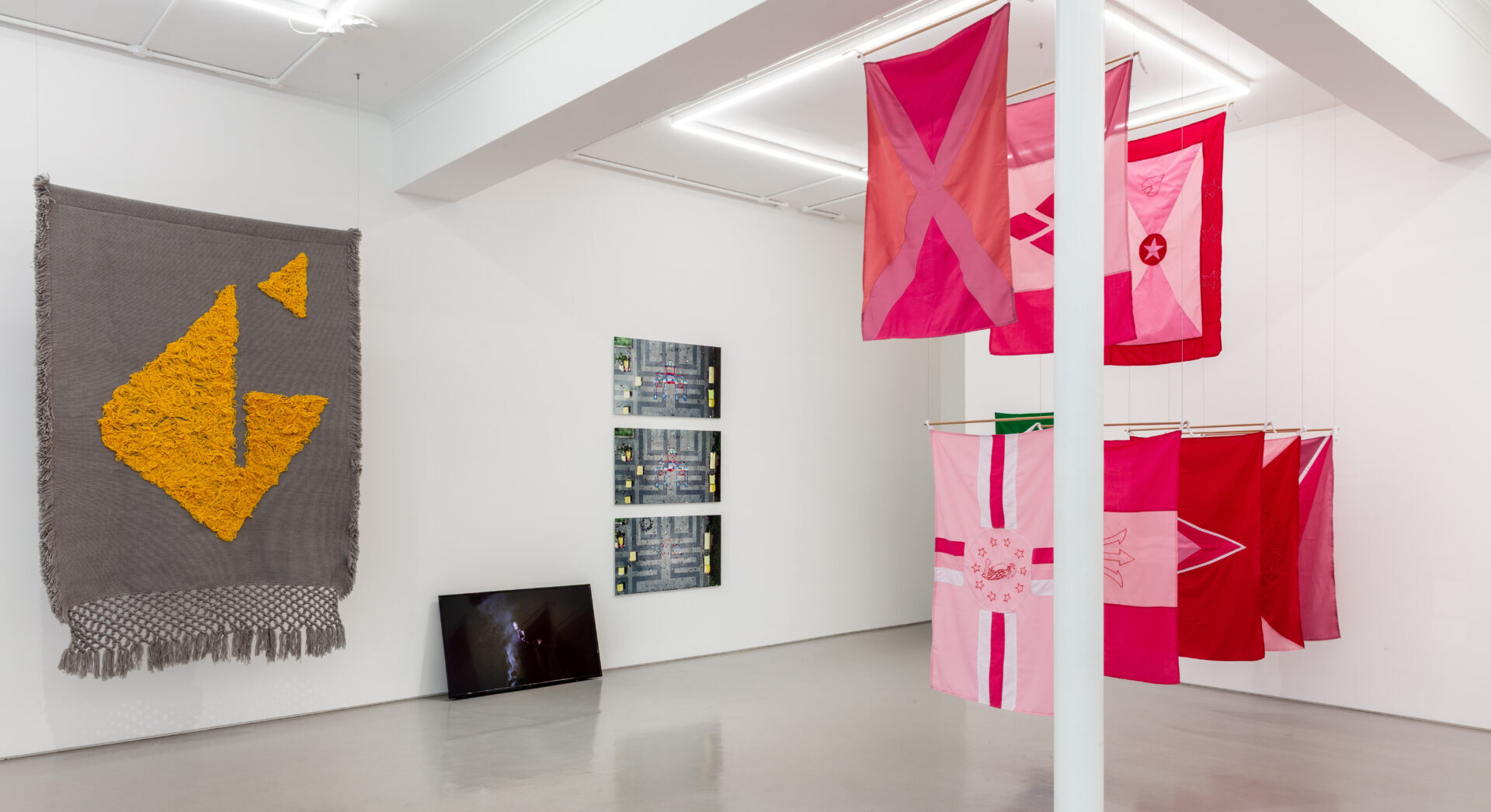
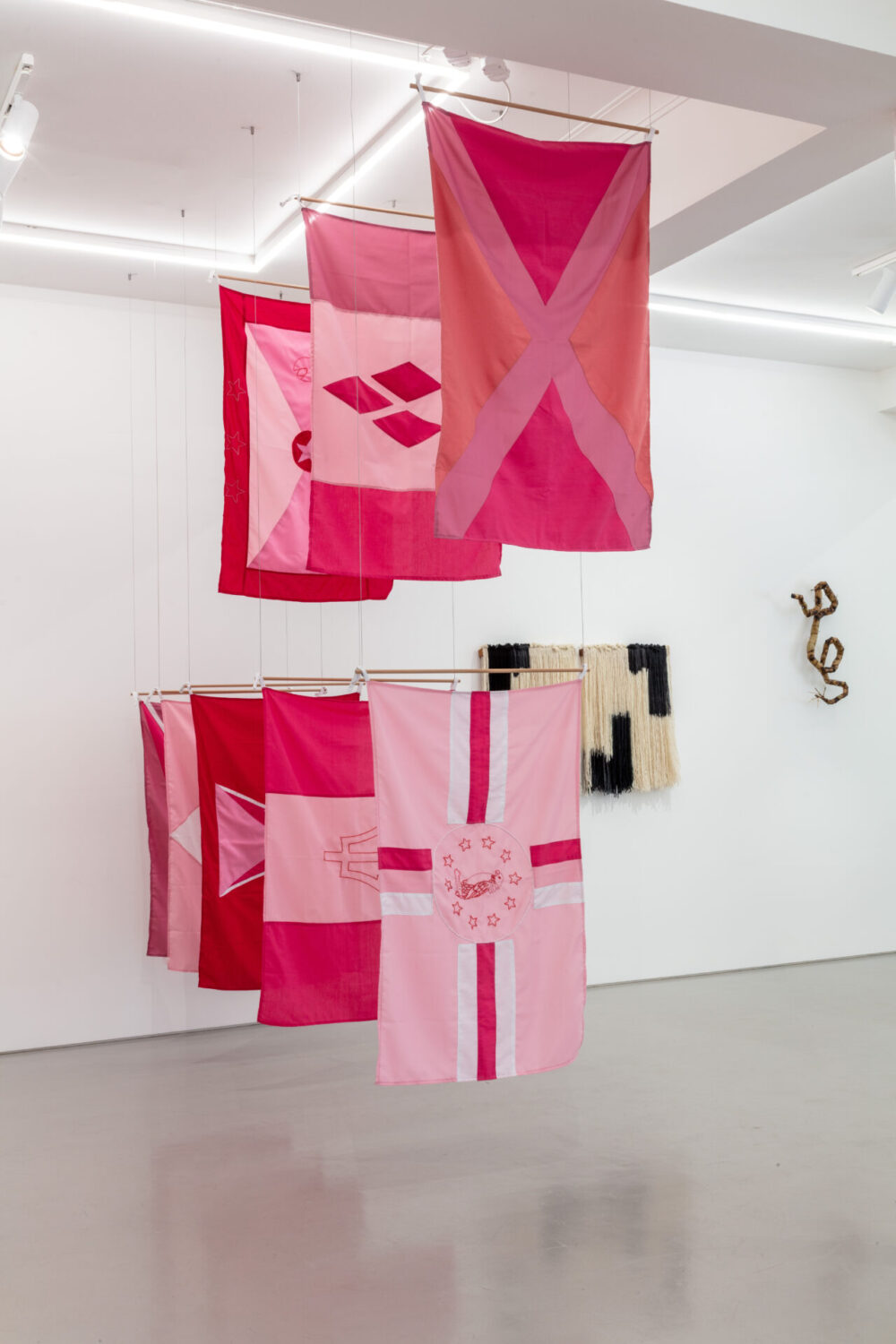
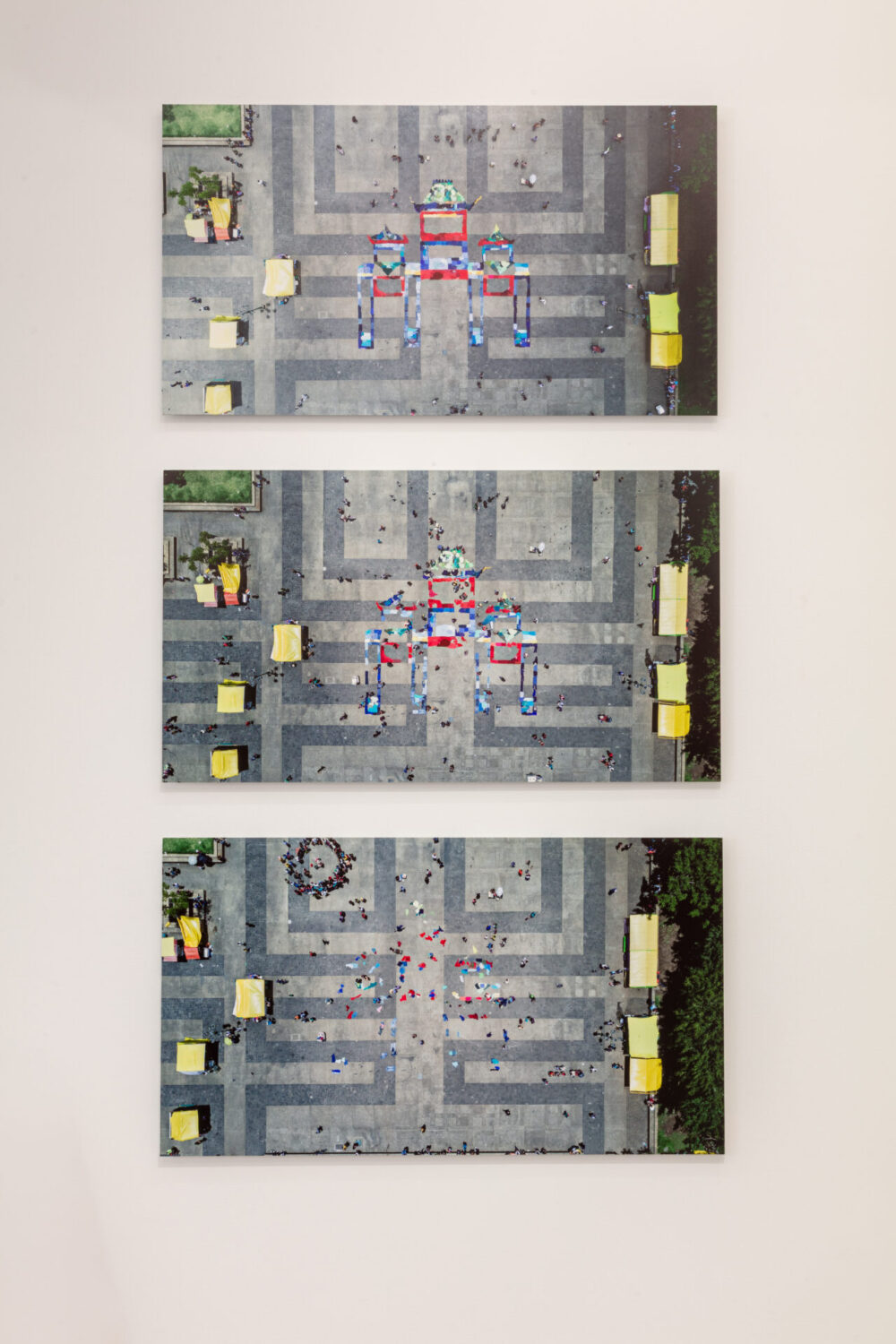
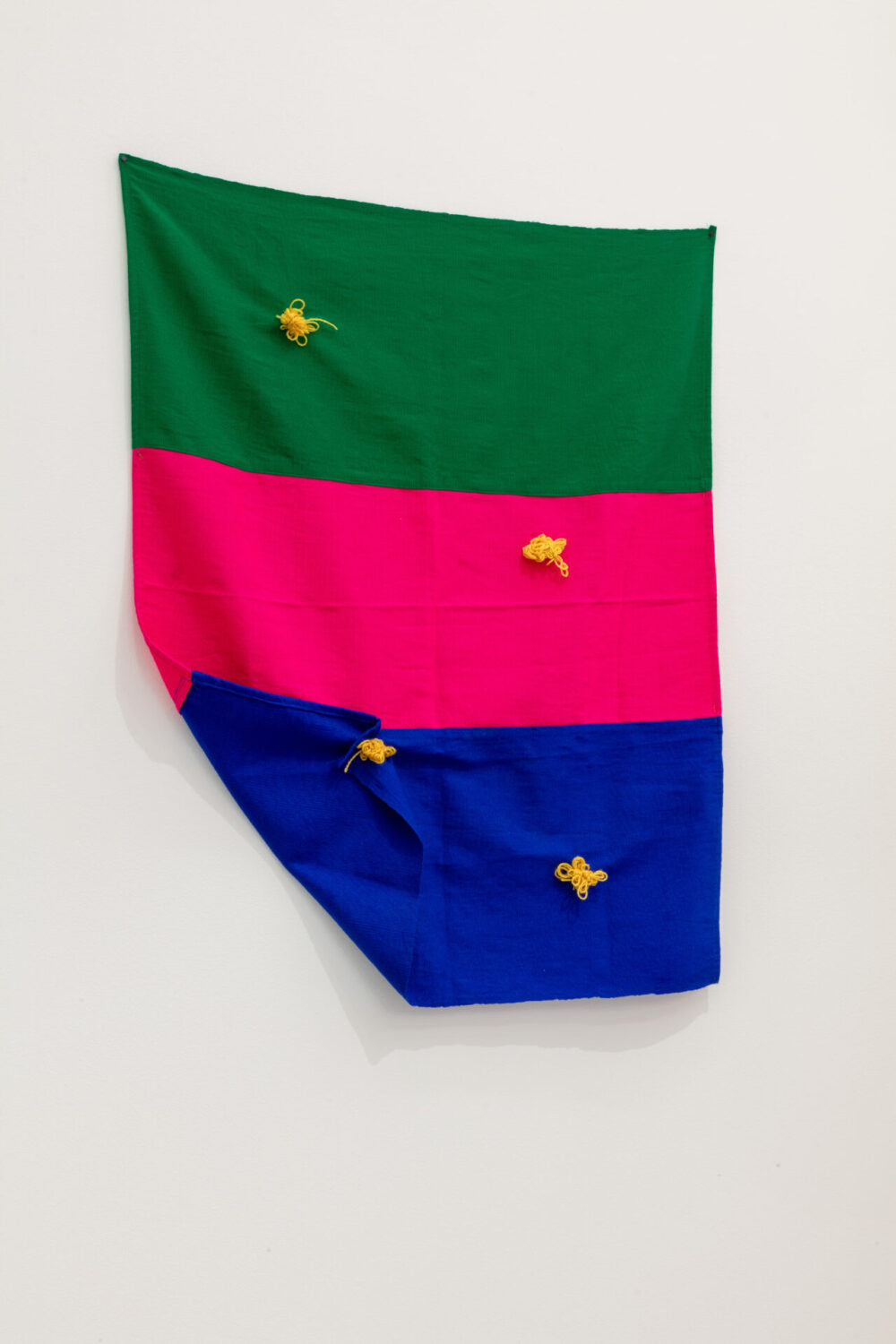
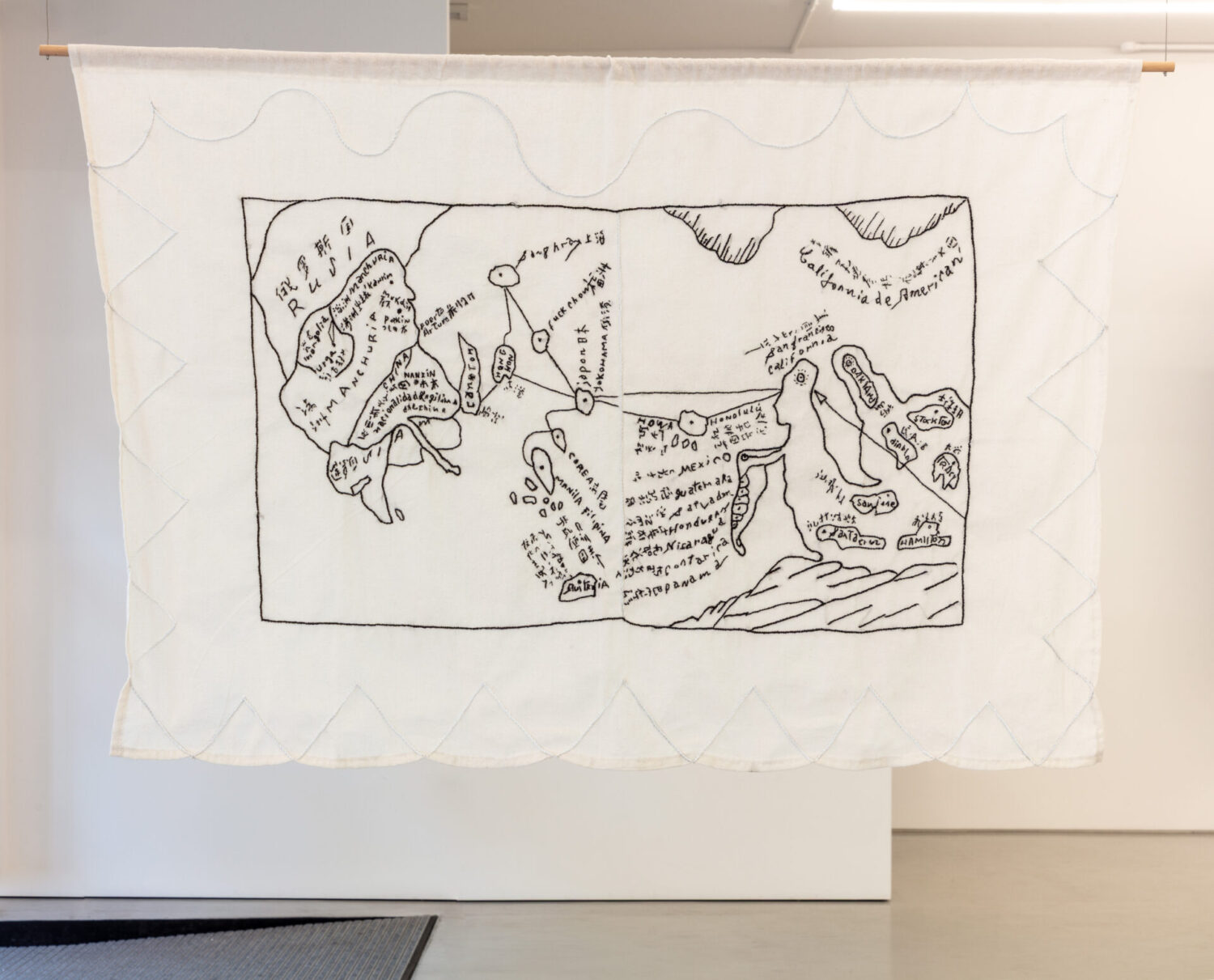
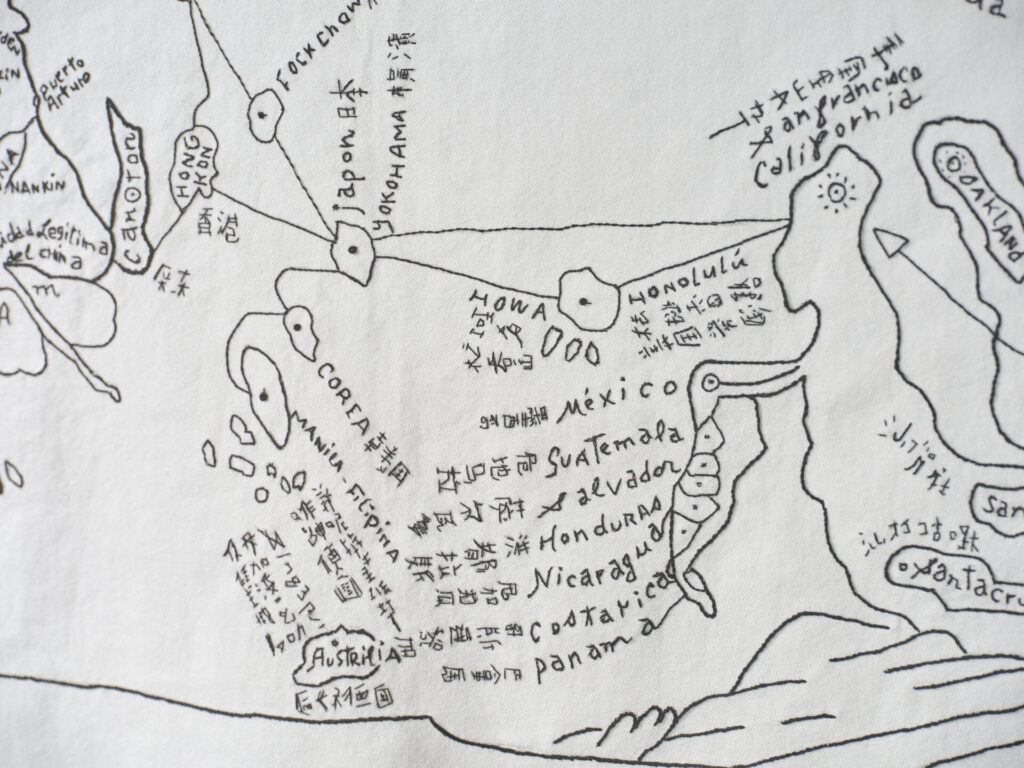
Esvin Alarcón Lam, for his part, recalls the memory of a portion of the Chinese people who moved to the Americas — not to a State, not to a Nation, but to the broad continental territory — the journey traced on a map and the architecture left behind. The interconnection of time and space — of time as memory and space as privilege or limitation — of matter, of industry, of architecture built, destroyed, or preserved under logics of inclusive exclusion (Deleuze & Guattari) within a public space. A vindicating remembrance of the impossibility of acceptance for sexual and gender dissidence, through the pink colours of territories that, in the present day, deem it illegal. Part of his work carries a feeling toward the collective history of Cantonese China in Guatemala and the Americas, and of the contemporary history of colour.
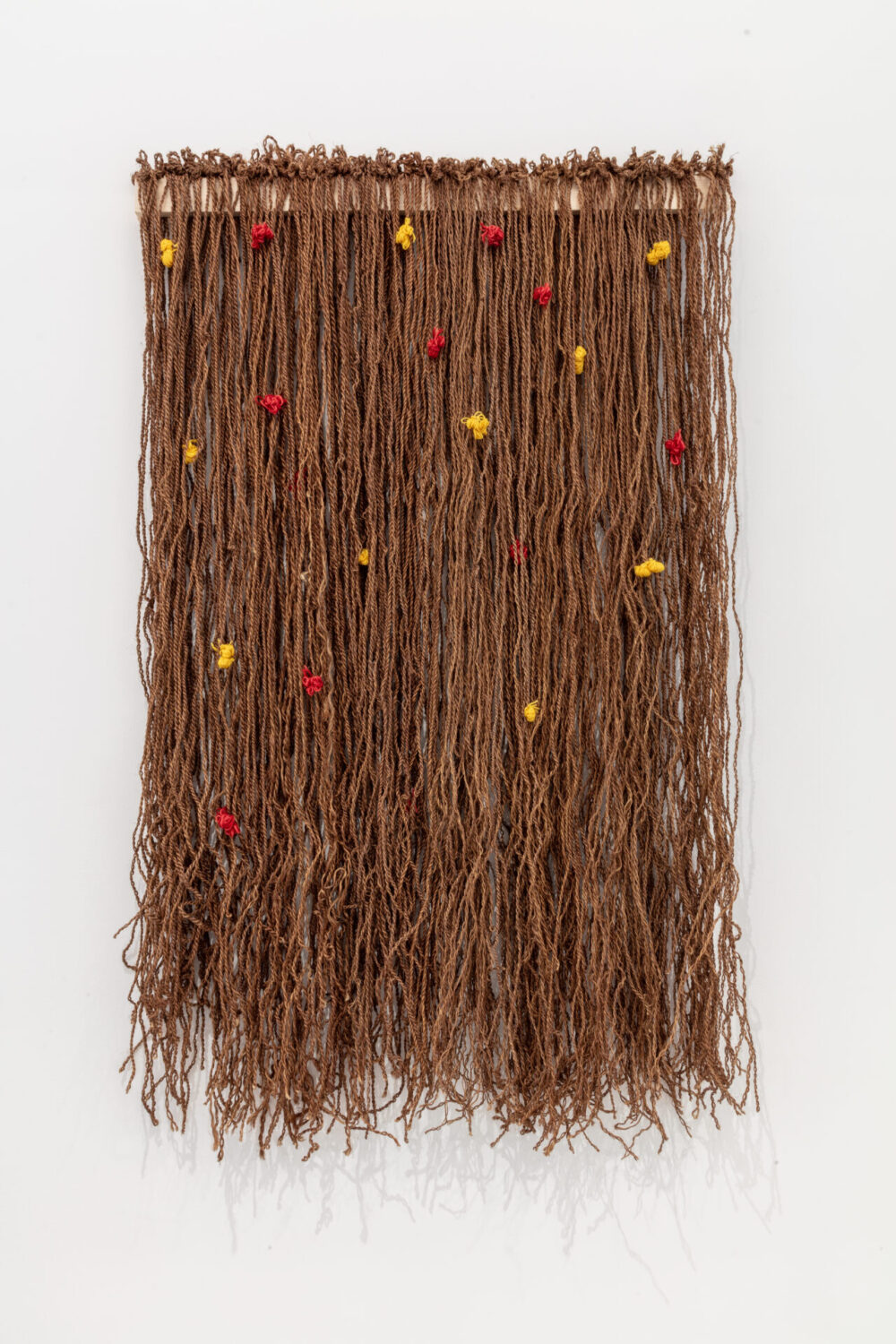
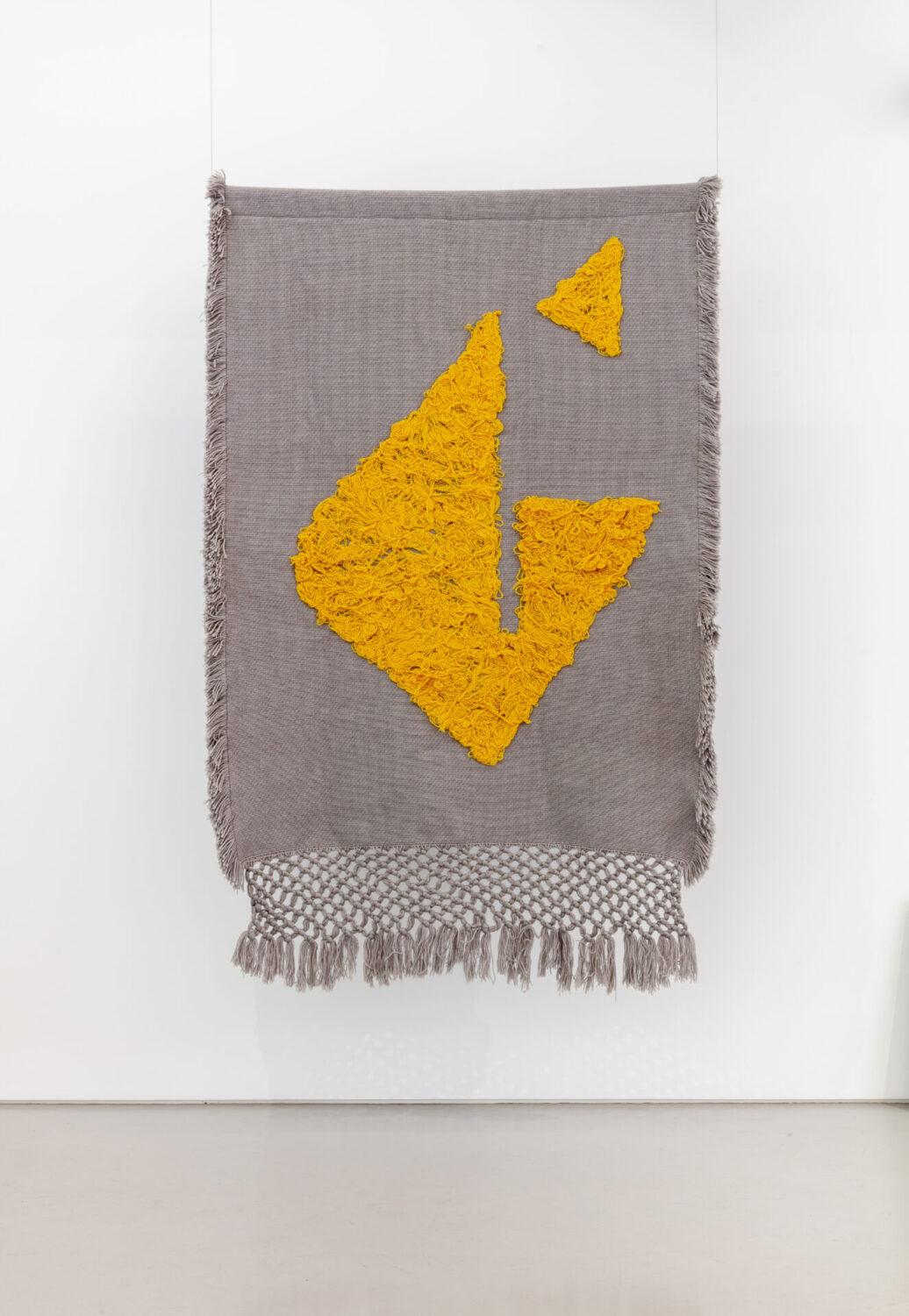
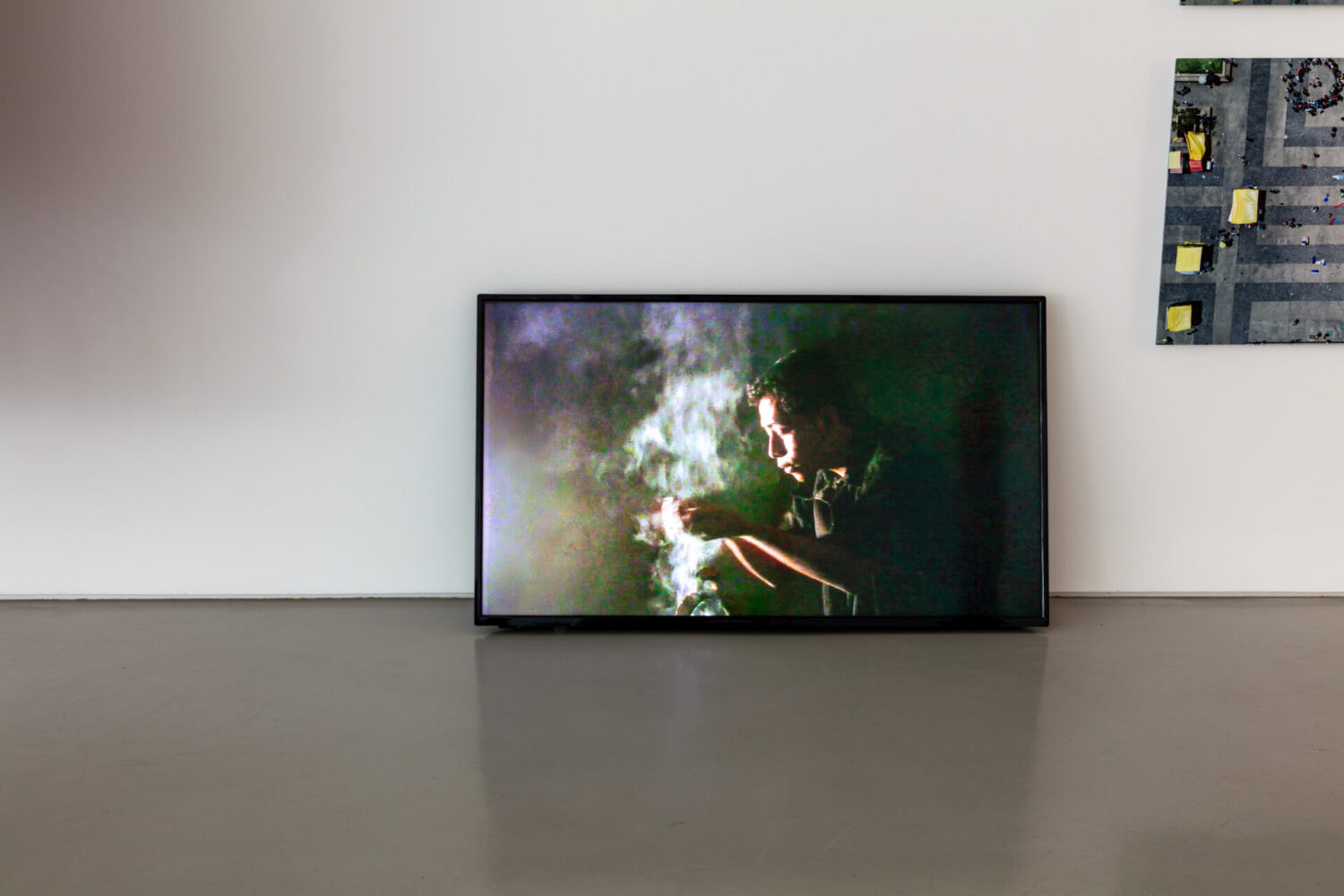
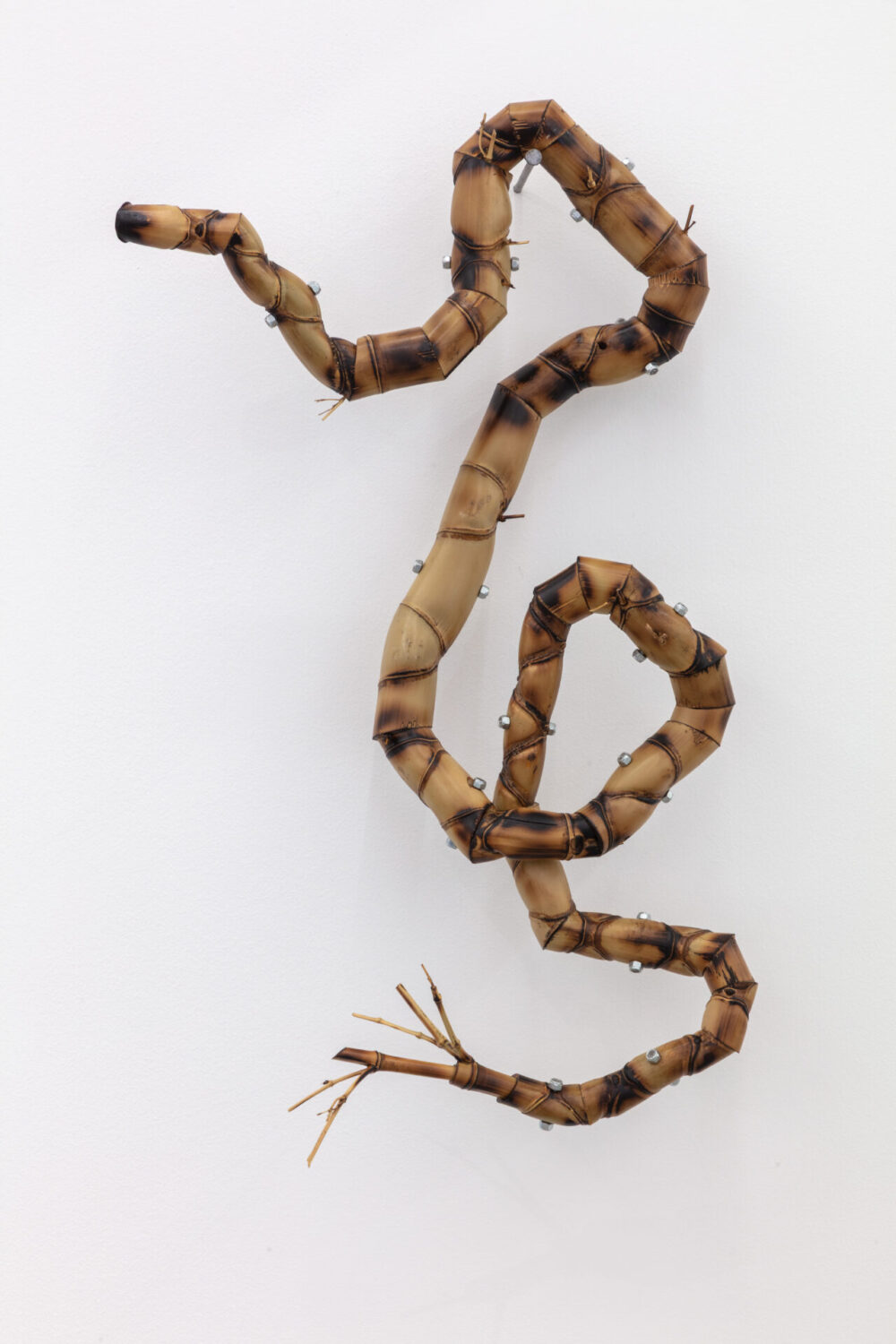
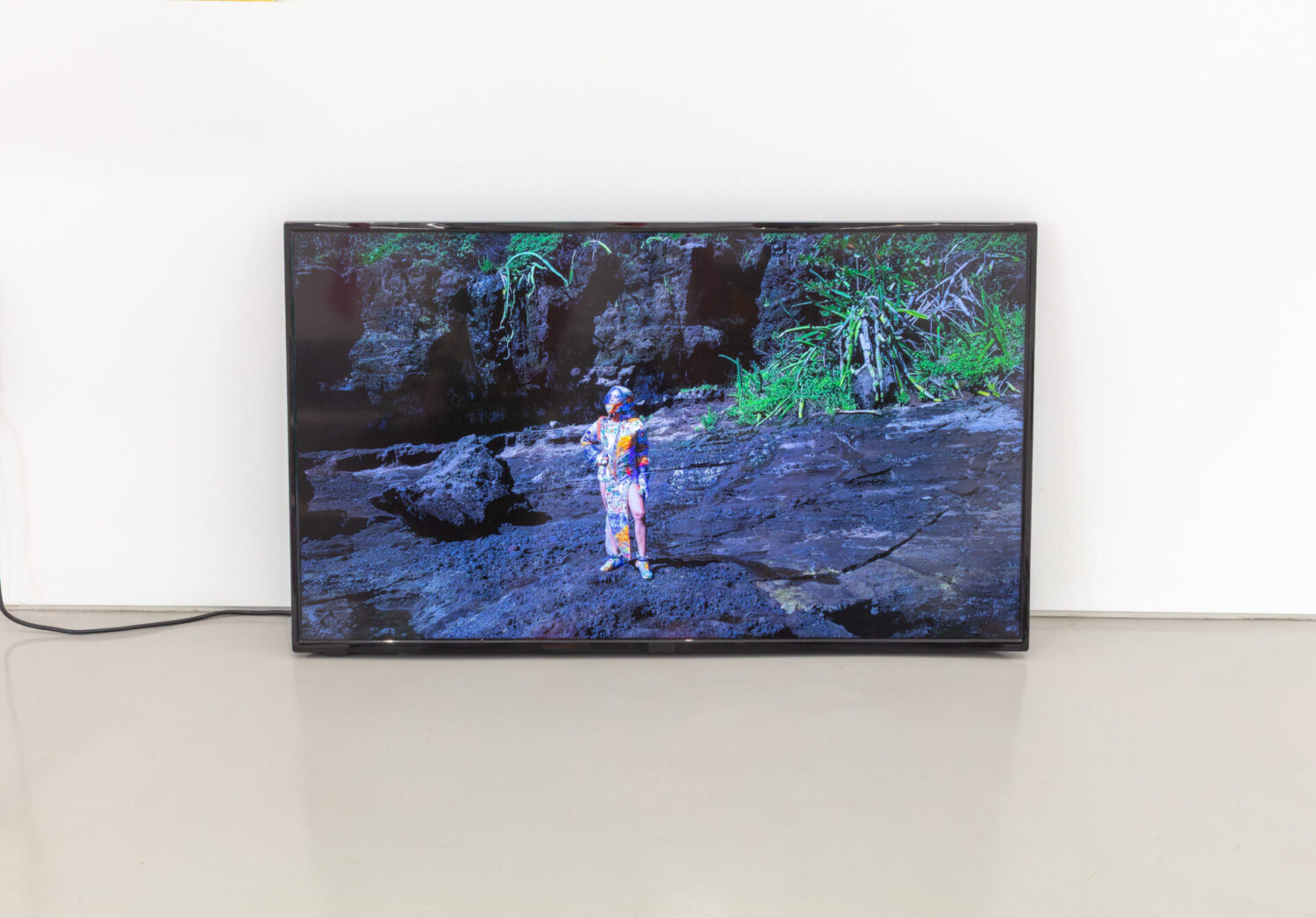
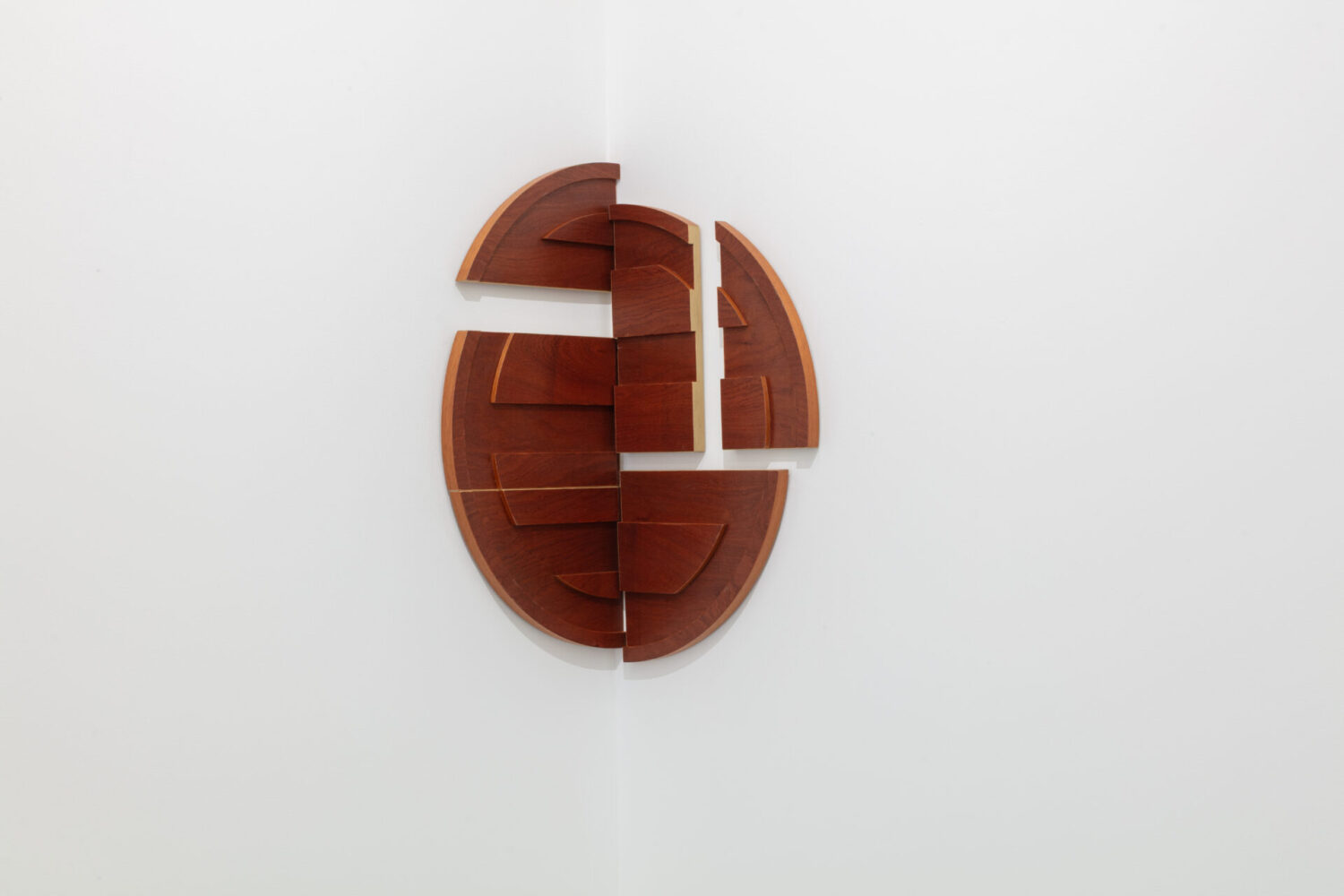
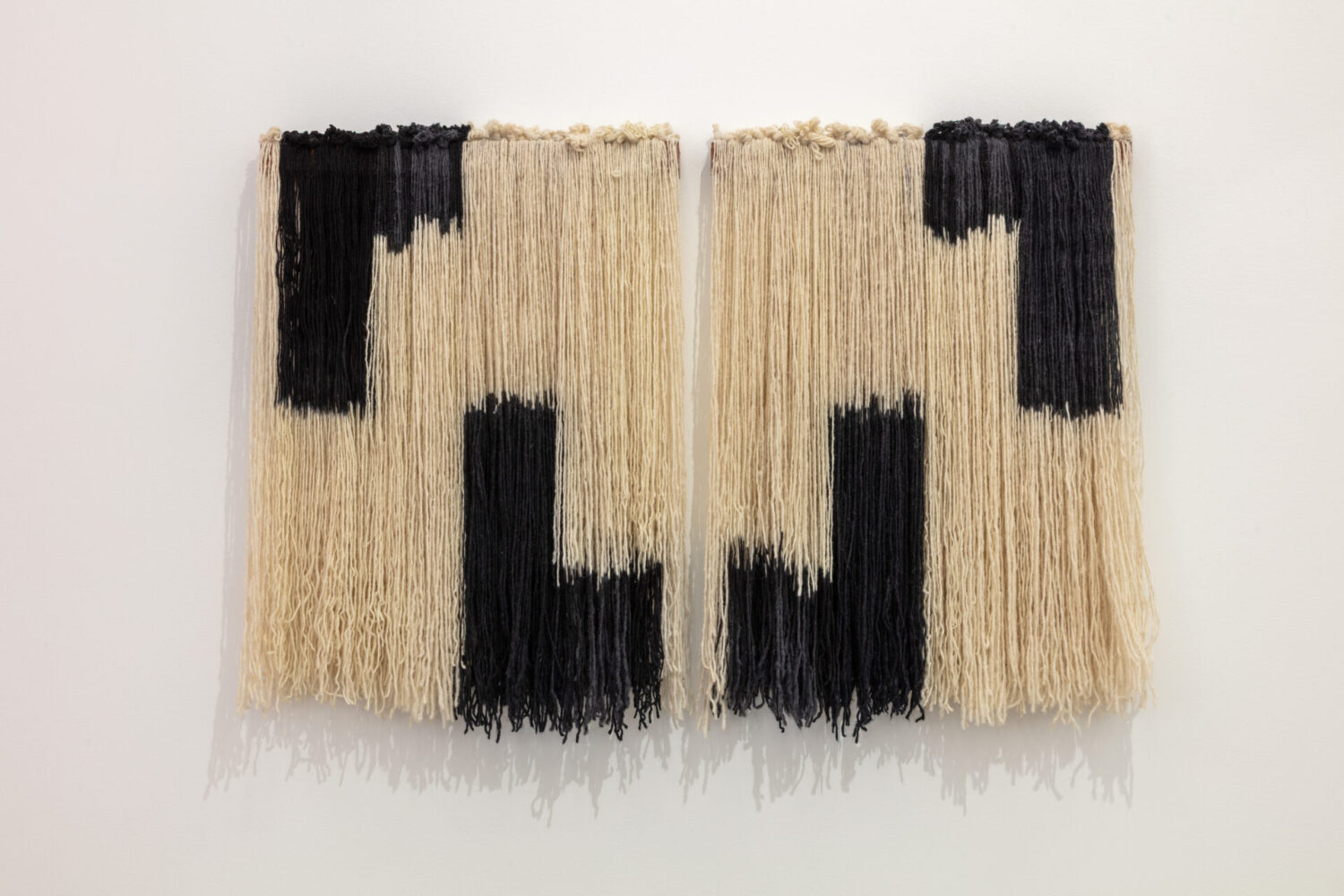
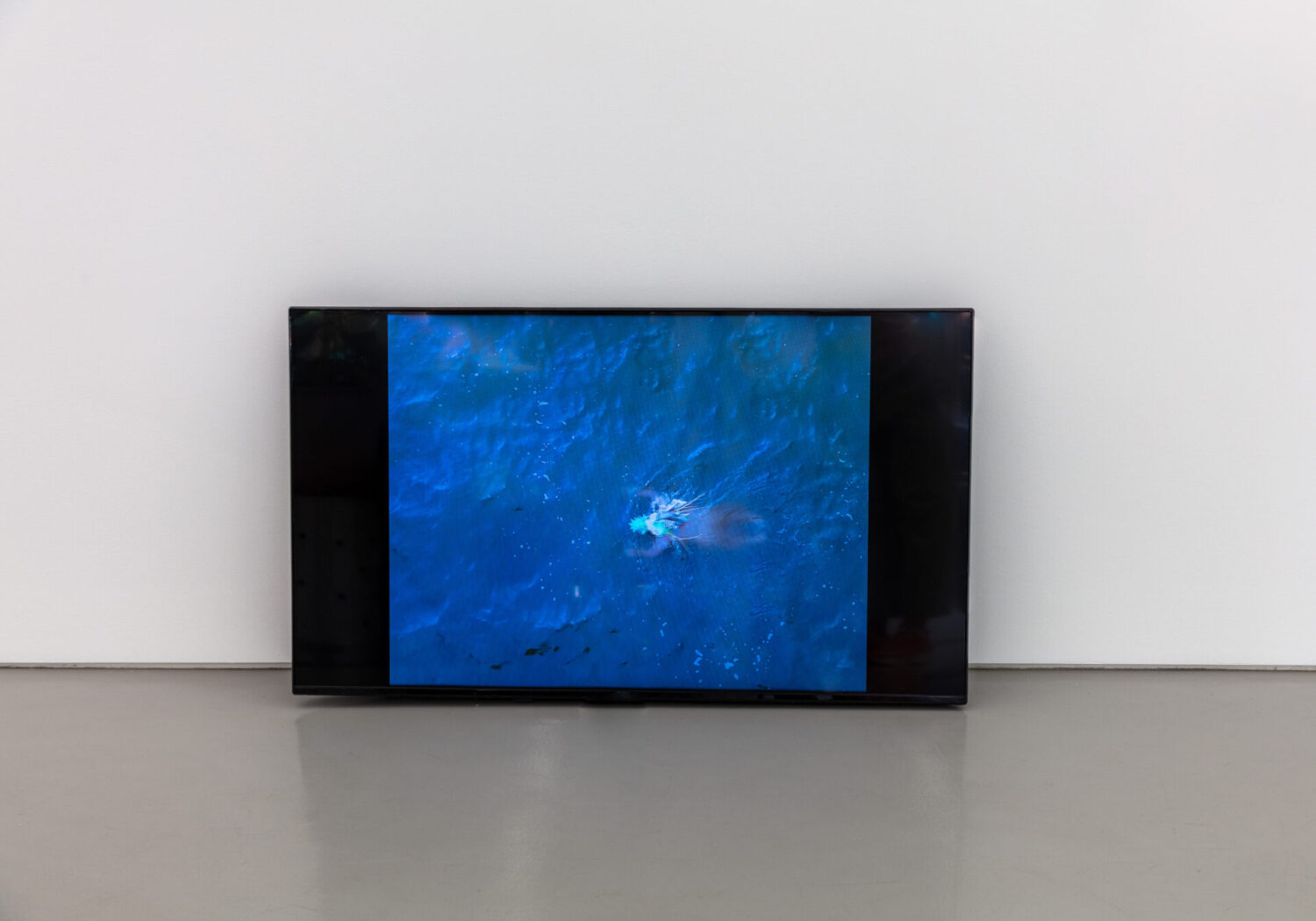
Antonio Pichillá Quiacaín presents a warp-beam structure in the form of a serpent that occupies planes and corners, its presence imbued with new meaning. The structure, with its discontinuous anatomy formed of vertices, is resignified — irreverent toward the Christian, demonic conceptualisation of the serpent. Pichillá uses his body as an element that merges with his collective and personal history to recount his existence, the presence of bodies at and with Lake Atitlán. The reds and yellows used in his locality appear among the trees emerging from the lake; they are woven and connected to the ontological mother of life, with which they weave the landscape in an audiovisual record. In this artist’s work, the traditional shifts place — it is no longer the trousers, no longer a detail within the textile, but an observable element in a gallery, in a space that had been considered not his own, now asserted as a presence that observes the other — the one who had previously been seen only as the colourful aspect of indigenous peoples.
María Jacinta Xón Riquiac, Maya K’iche’
María Jacinta Xón Riquiac (1980, Chichicastenango, Quiché, Guatemala). She is a Maya K’iche’ anthropologist and historian of science. The founder and director of the Tux Project, a gourmet cuisine of origin. Xón Riquiac is the author of the book Between Exoticism and the Mayámeter: Contemporary Dynamics of Colonialism by Catafixia Publishing in 2022.
* This text was written on the occasion of the exhibition’s first presentation, at Sol del Río gallery in Guatemala City in 2023. Some specific artwork descriptions may vary.
Curated by Maria do Carmo M. P. de Pontes.
Our Place in These Worlds will run from 21st August to 27th September 2026, Wednesday to Sunday, 12-6 pm, or by appointment