*****
As it draws its first last breath, the snake speaks not with its tongue, but through its motion. “Who will remember me?” It asks. Gazing up at the floating stillness of a figure. Not cruel, but not kind, just inescapable. “As I take you, you shall remain as a song.” A gentle but firm reply. The cobra, a creature of primal force, a symbol of wisdom and transformation, has met its fate. The air parts between it and the cosmic-sized being. The snake sheds its skin, and the angel learns tenderness. And all that remains in our realm is a memory that we have made of it.
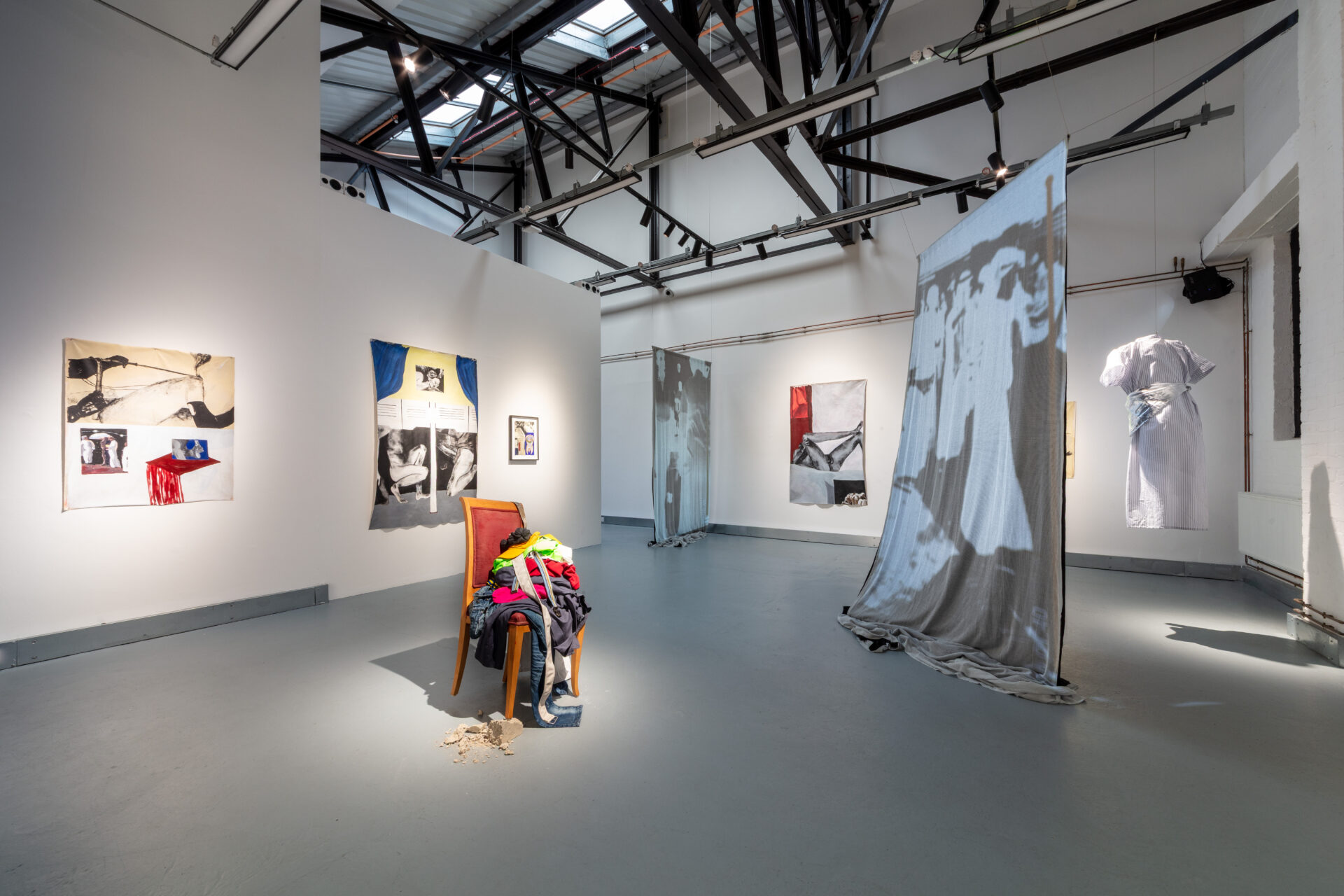
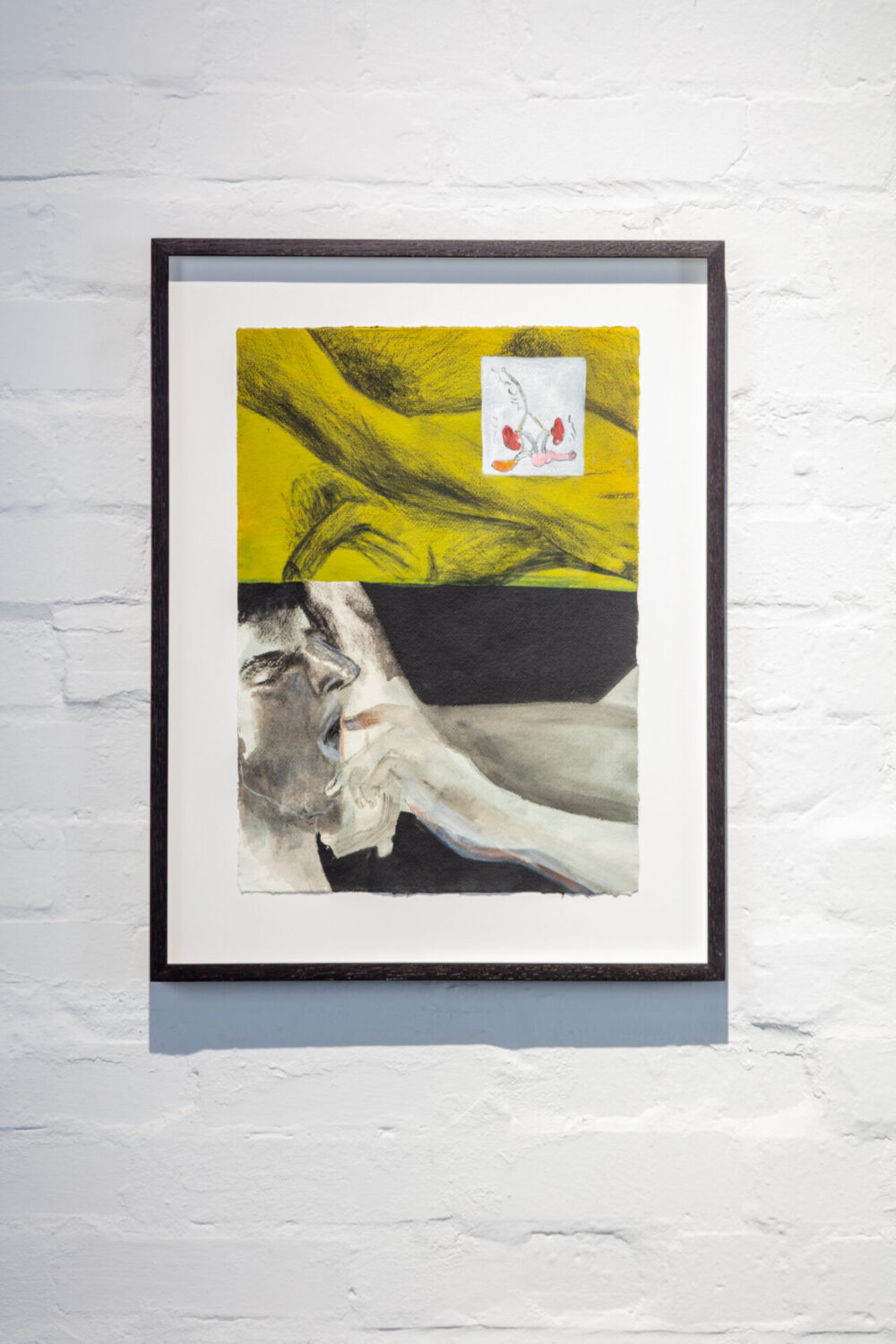
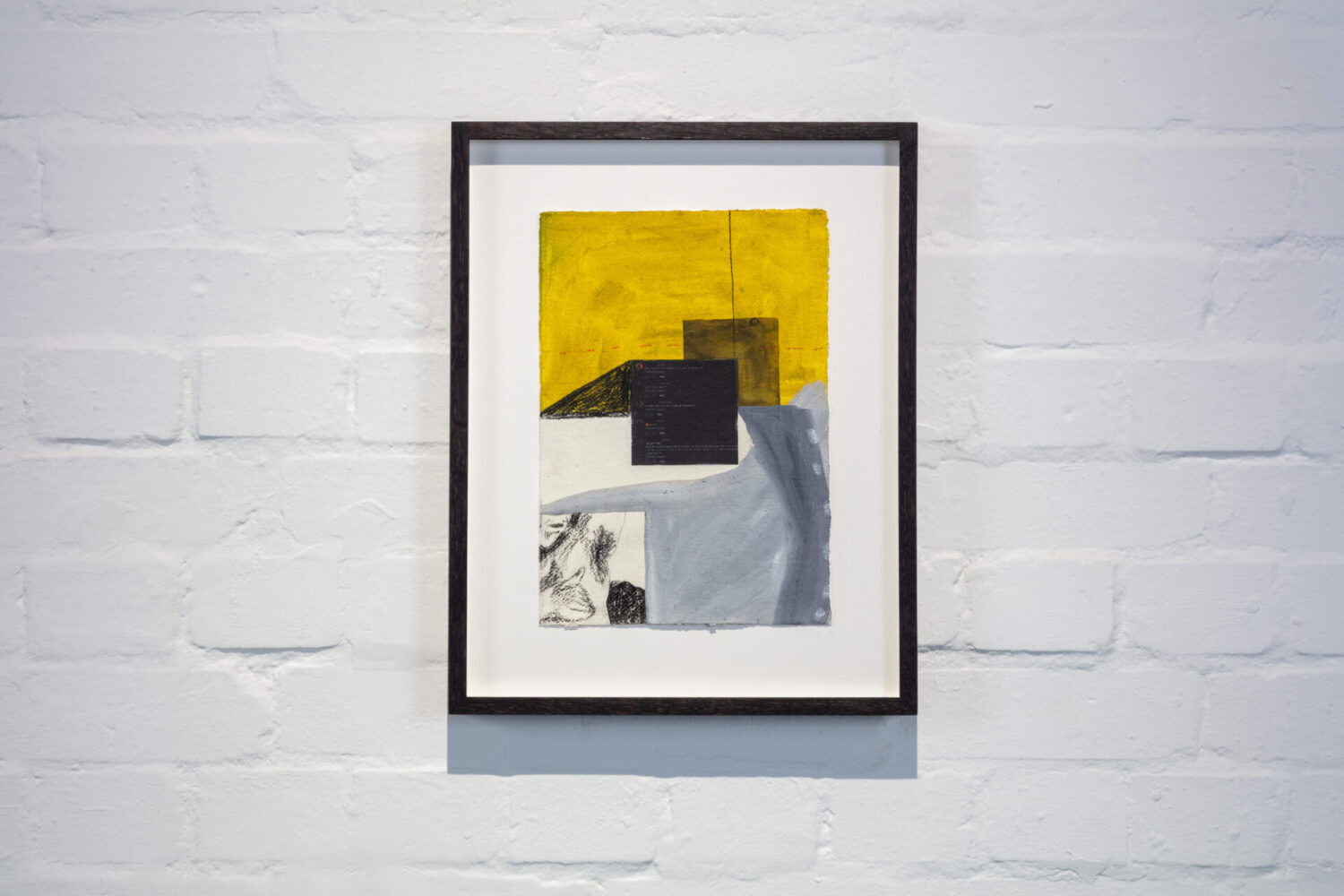
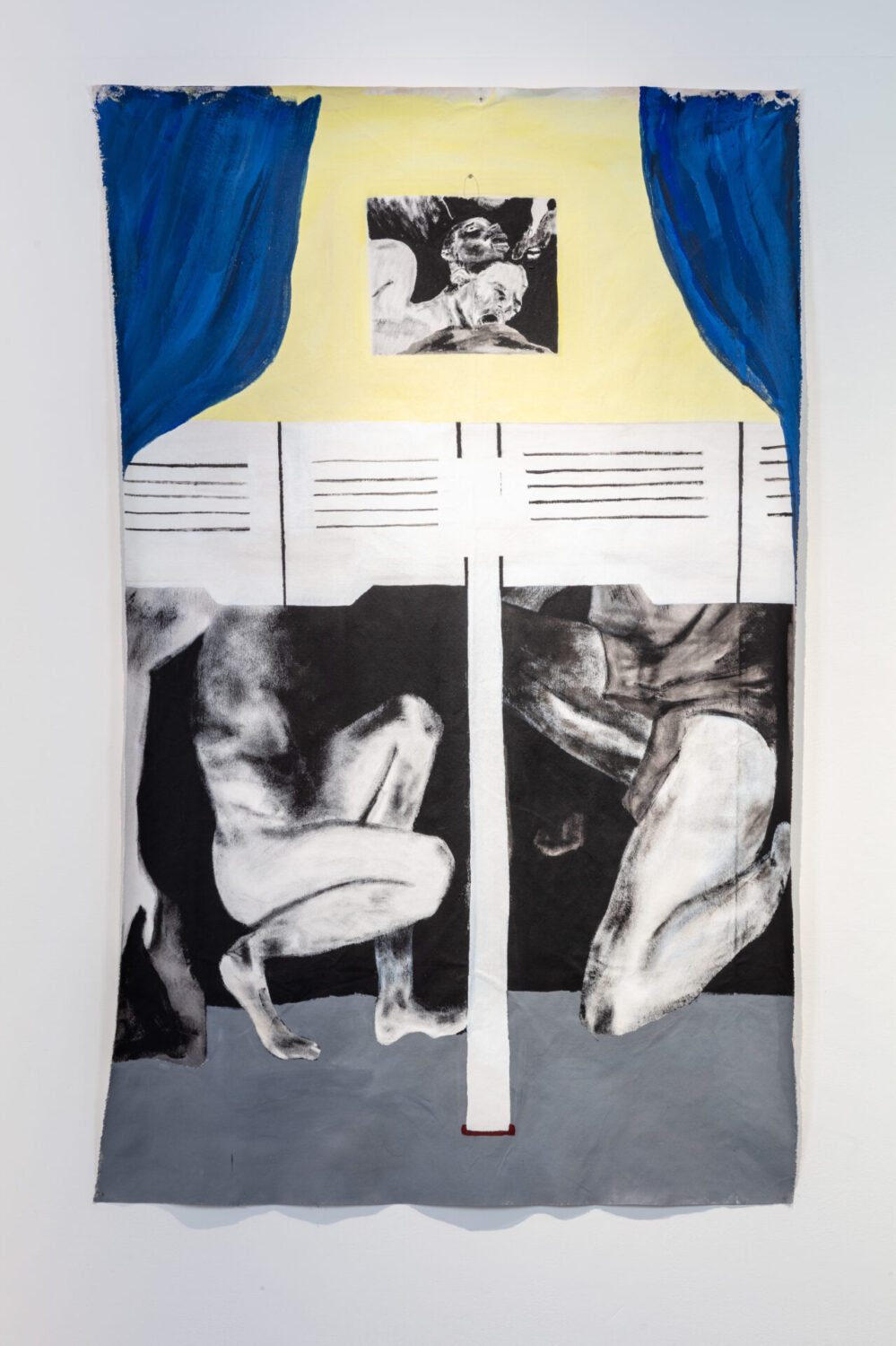
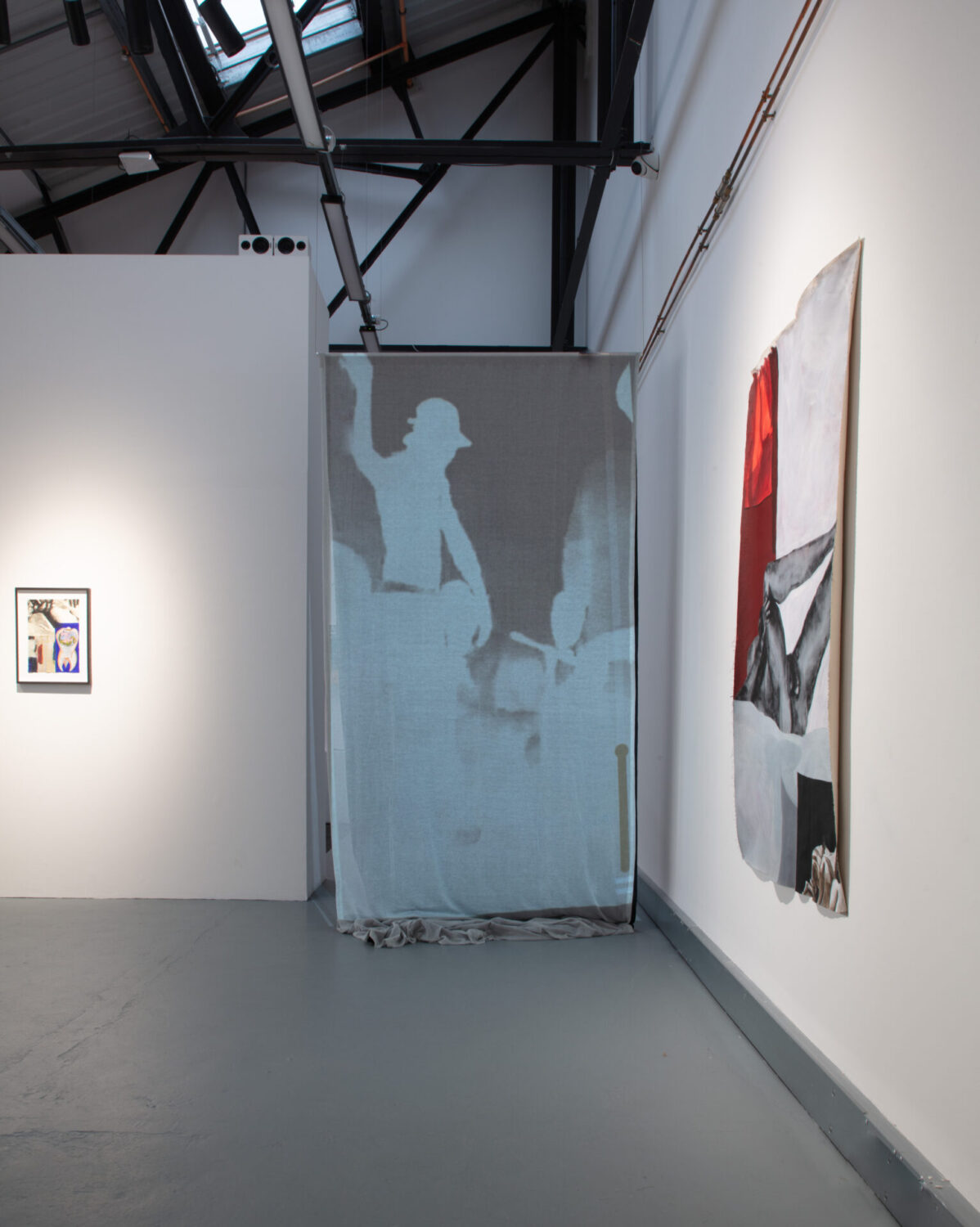
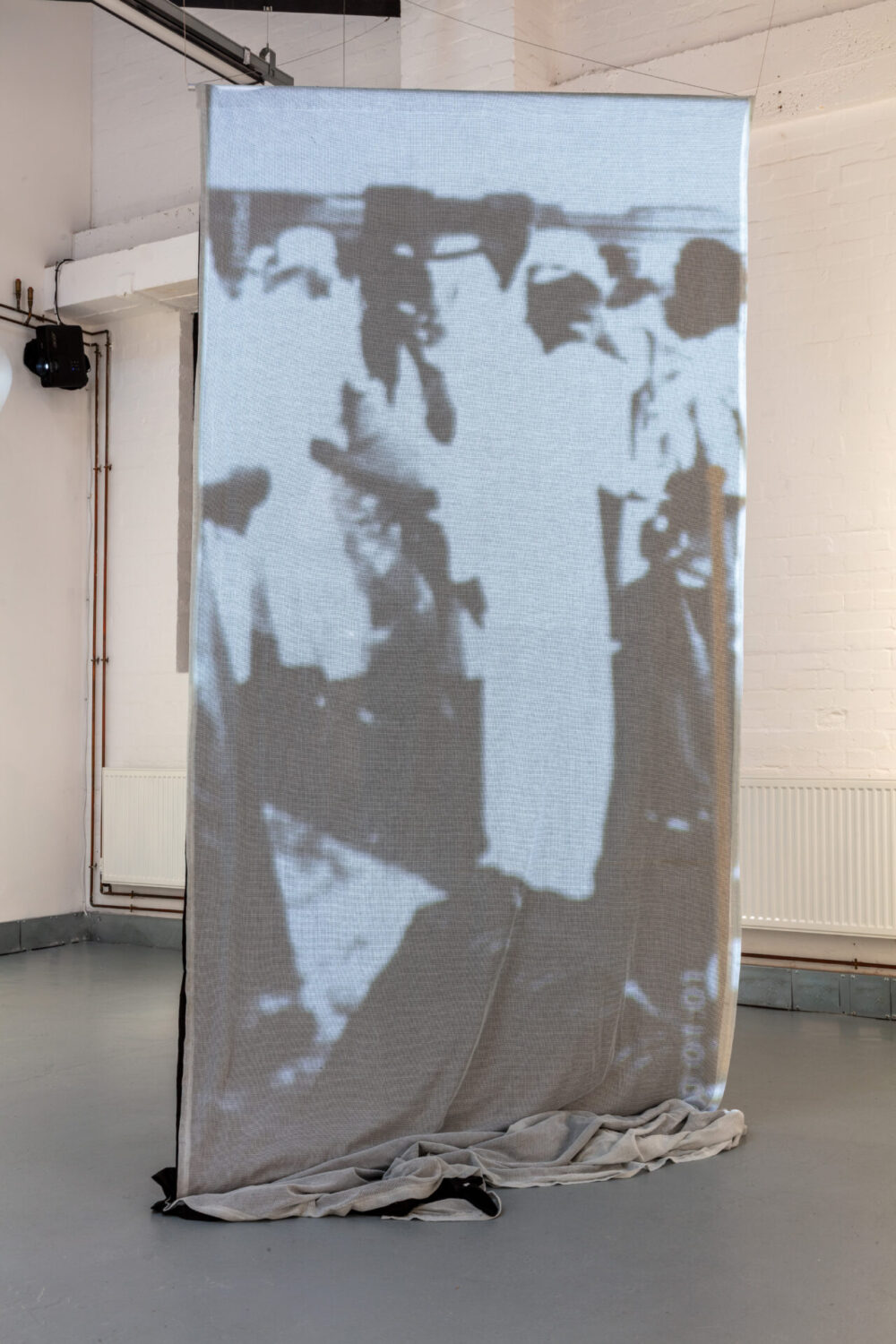
Through ancient pixels and the distortions of data-moshing, the bodies we think we know dissolve, leaving us with nothing but perception. There is beauty in oblivion because we can hold on to the hope of still being ephemeral. We can still relate and make our own connection to what is left of their expressions. But what if, beyond that, we can have conversations with their ghosts?
It is common to try to see yourself through art and relate to anything you encounter. That is how we form connections and make them resonate, and, ultimately, memories take their form. A memory is not something that is inimitable, it doesn’t regenerate, but our brains rewrite them, ever so slightly, when they are recalled based on new associations and experiences that we obtain. The core is always the same, but their fragments are reassembled and reshaped based on who we have become since their creation, and that allows us to form bonds and shared experiences.
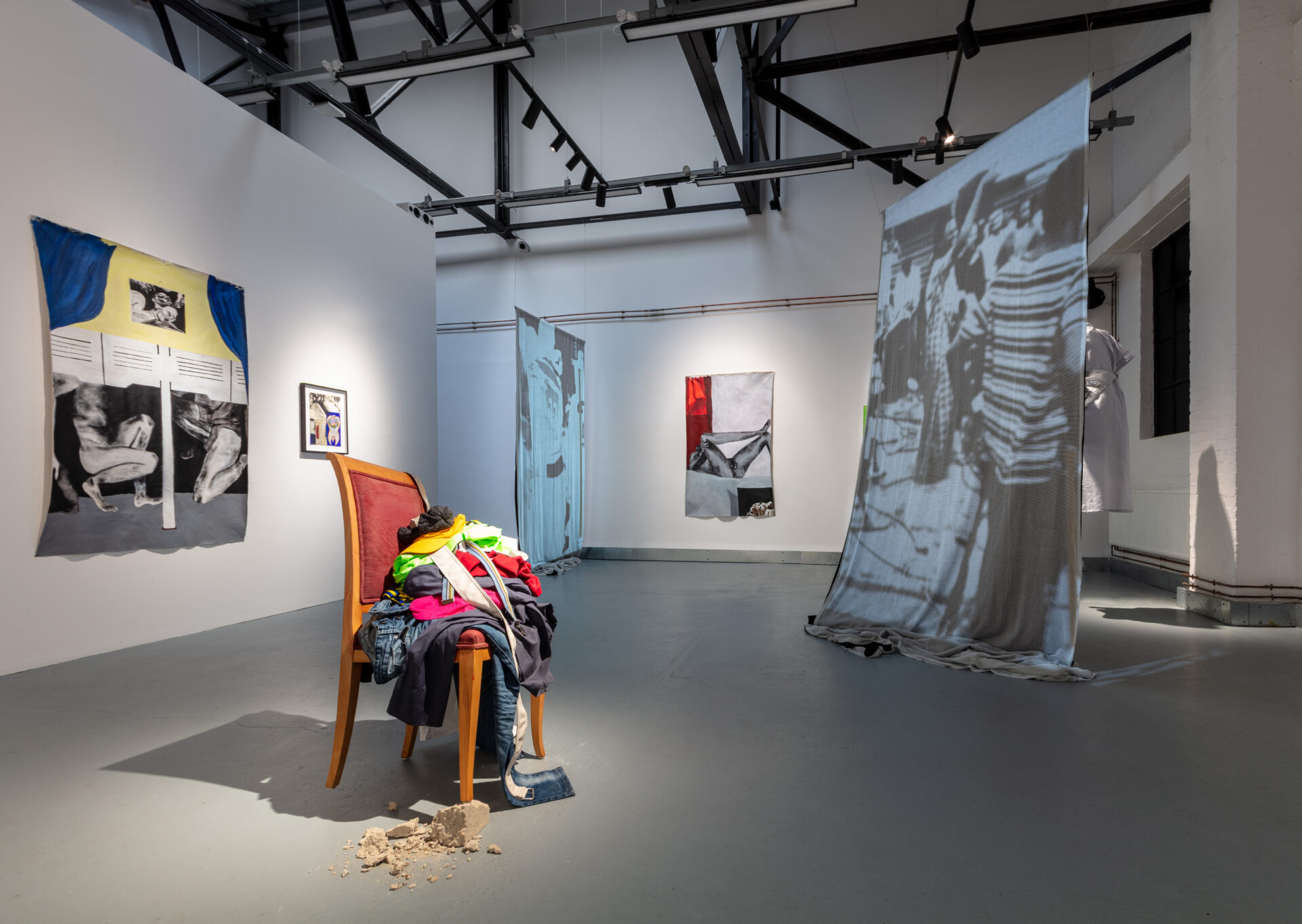
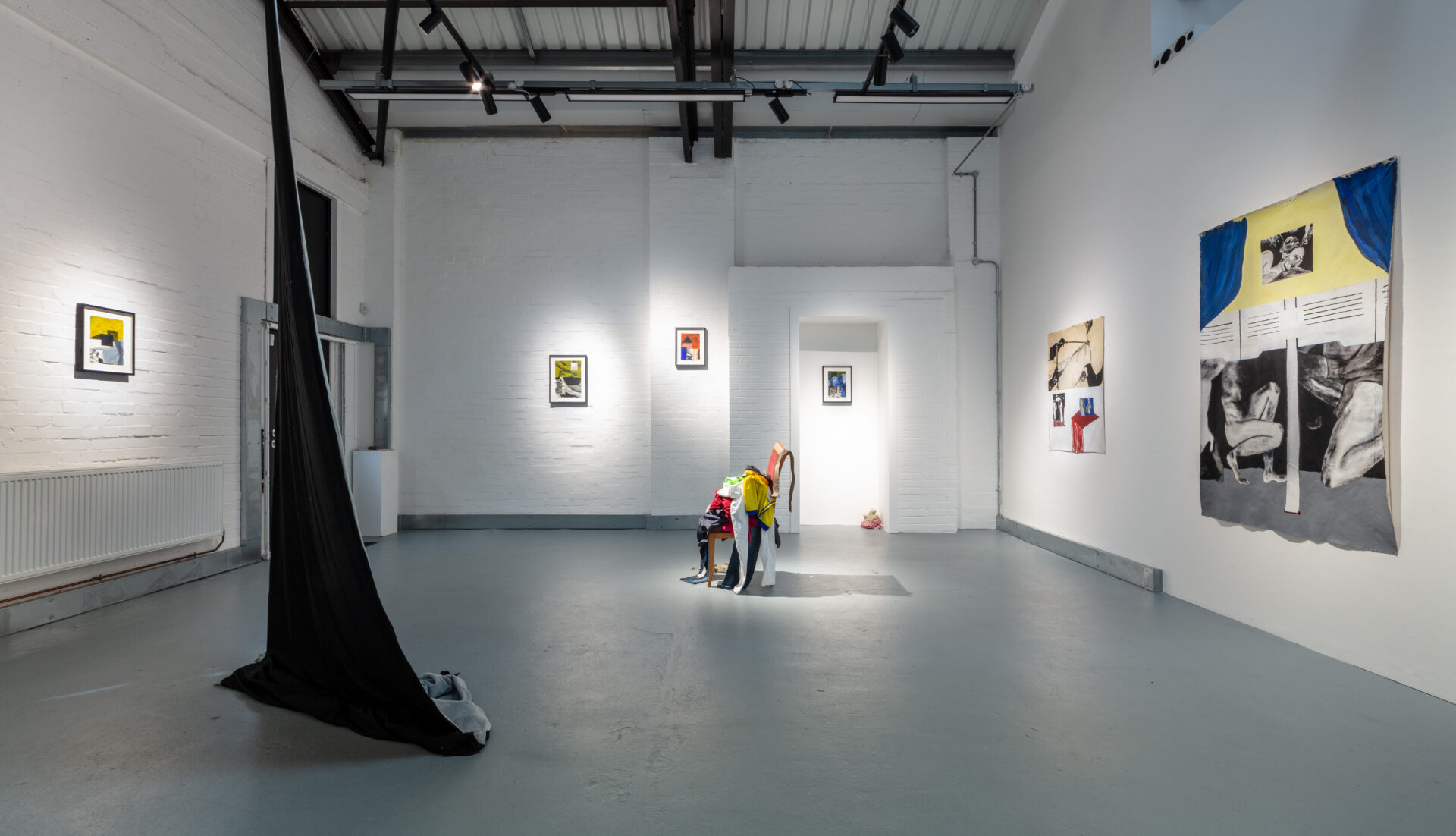
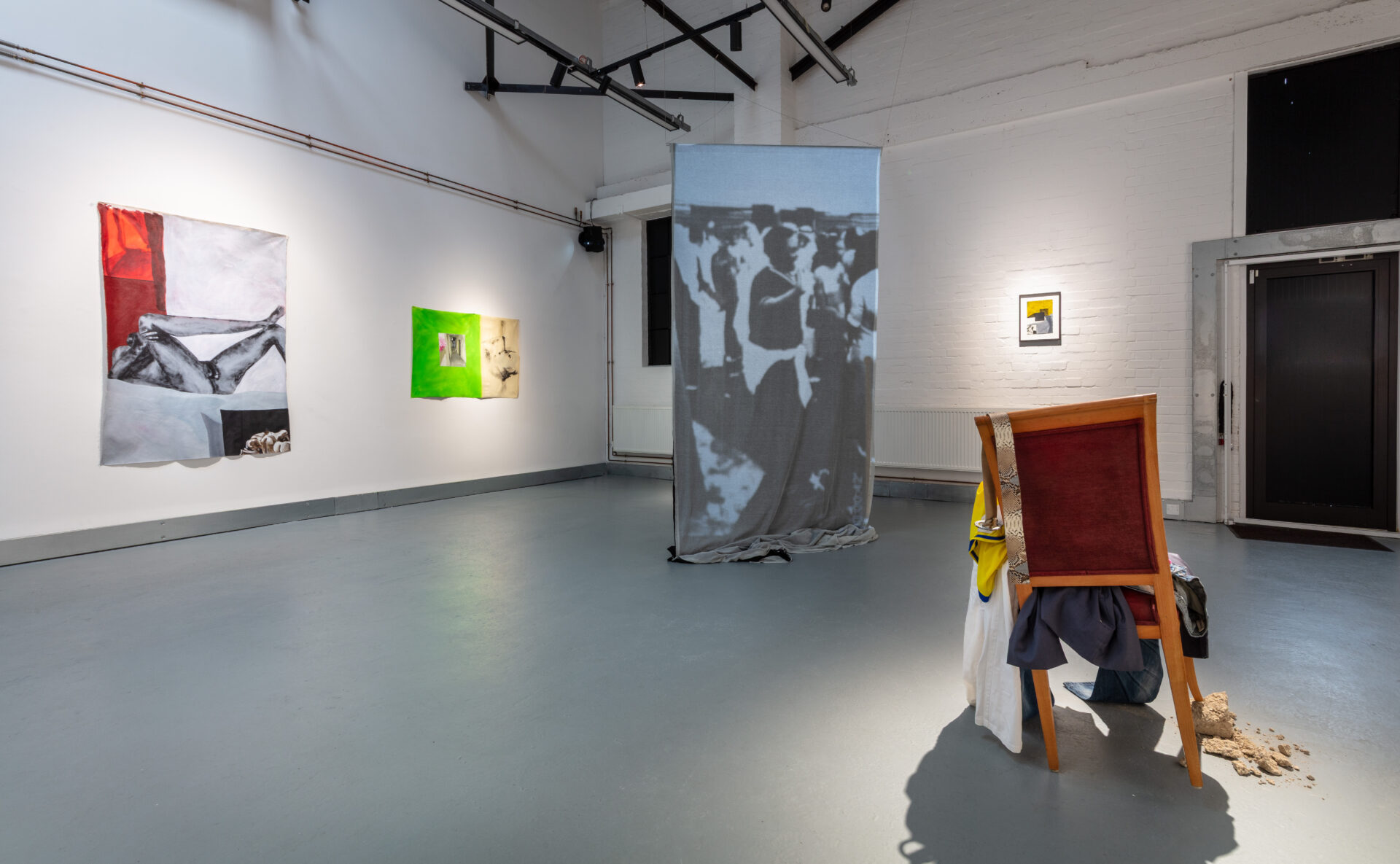
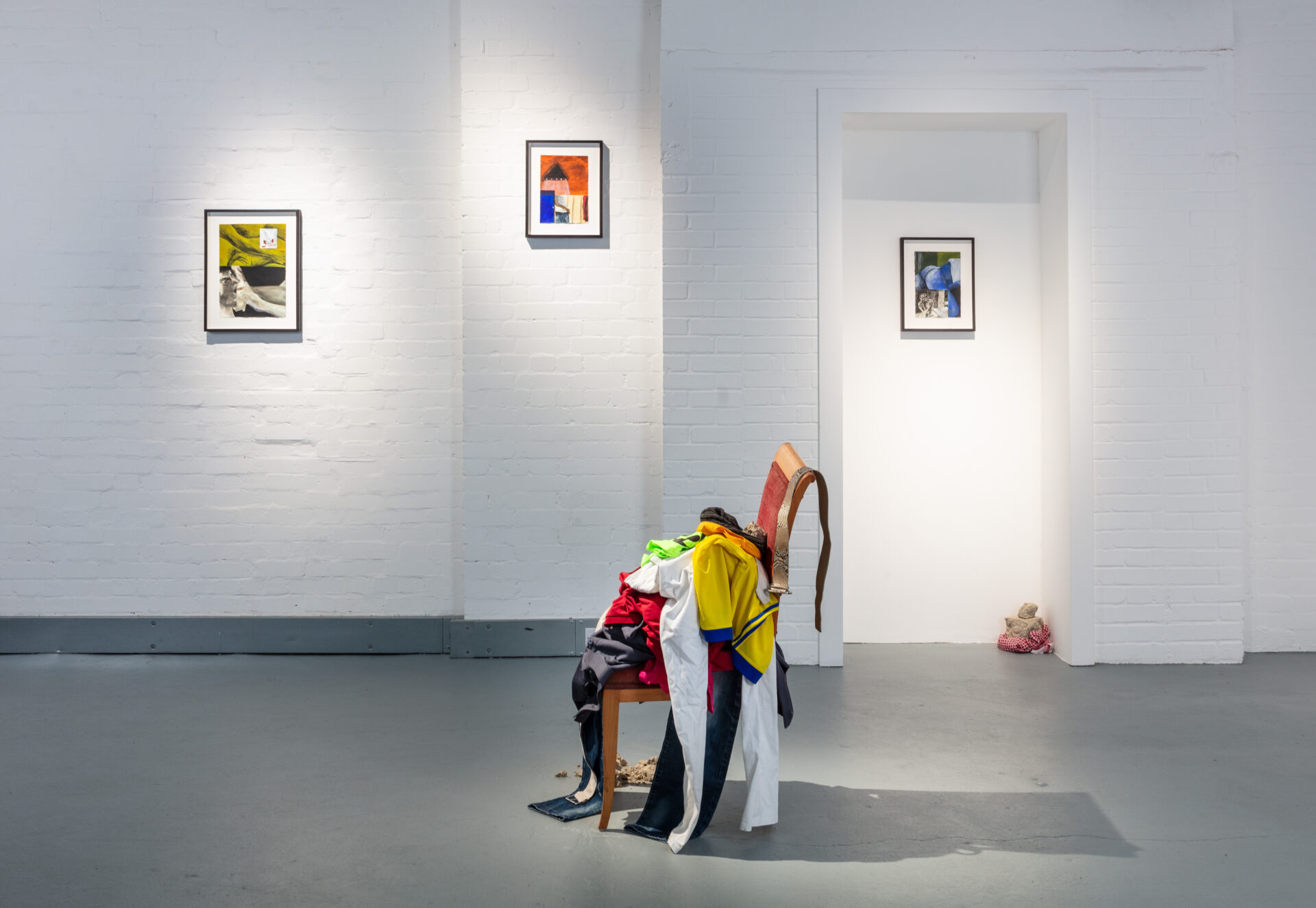
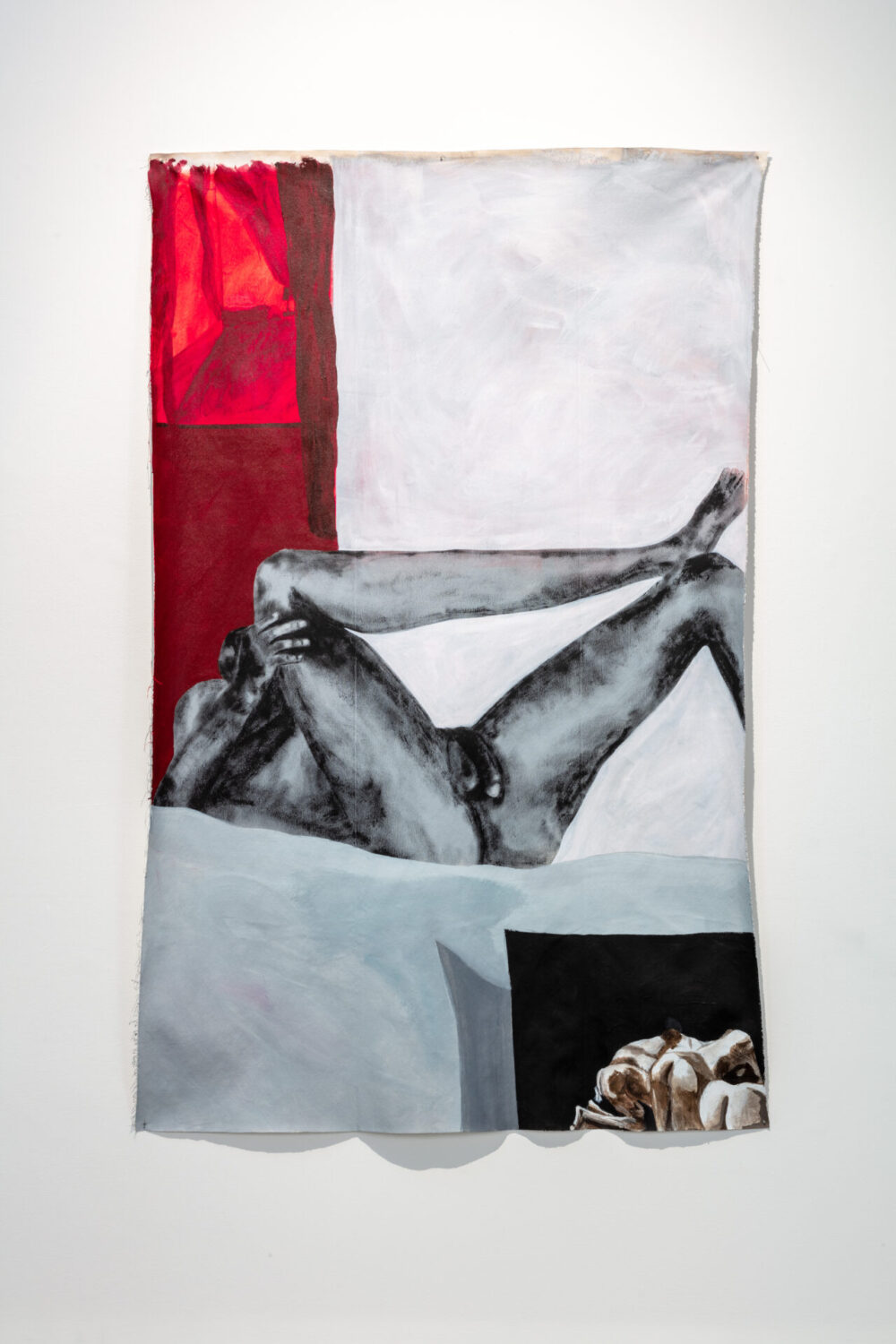
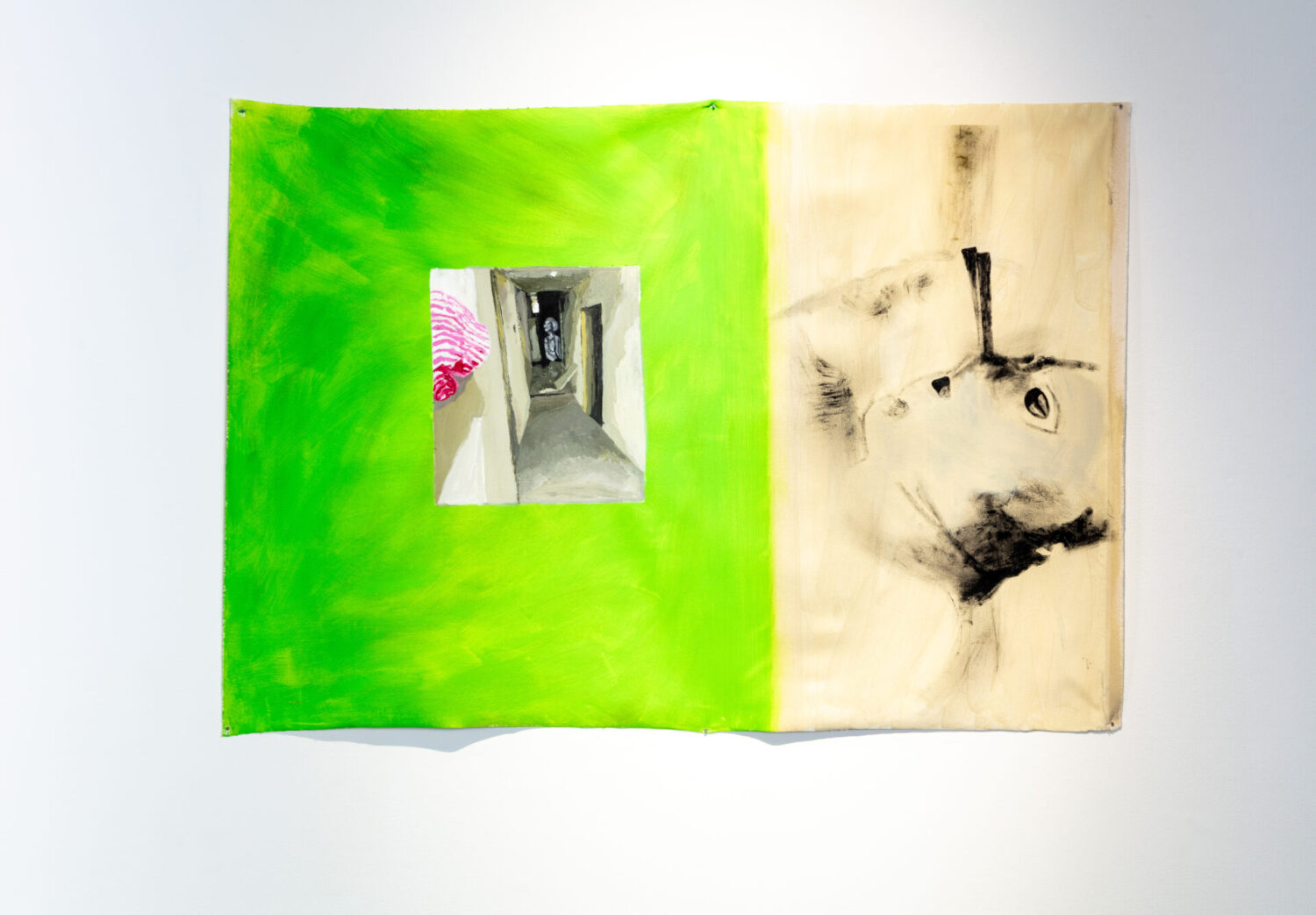
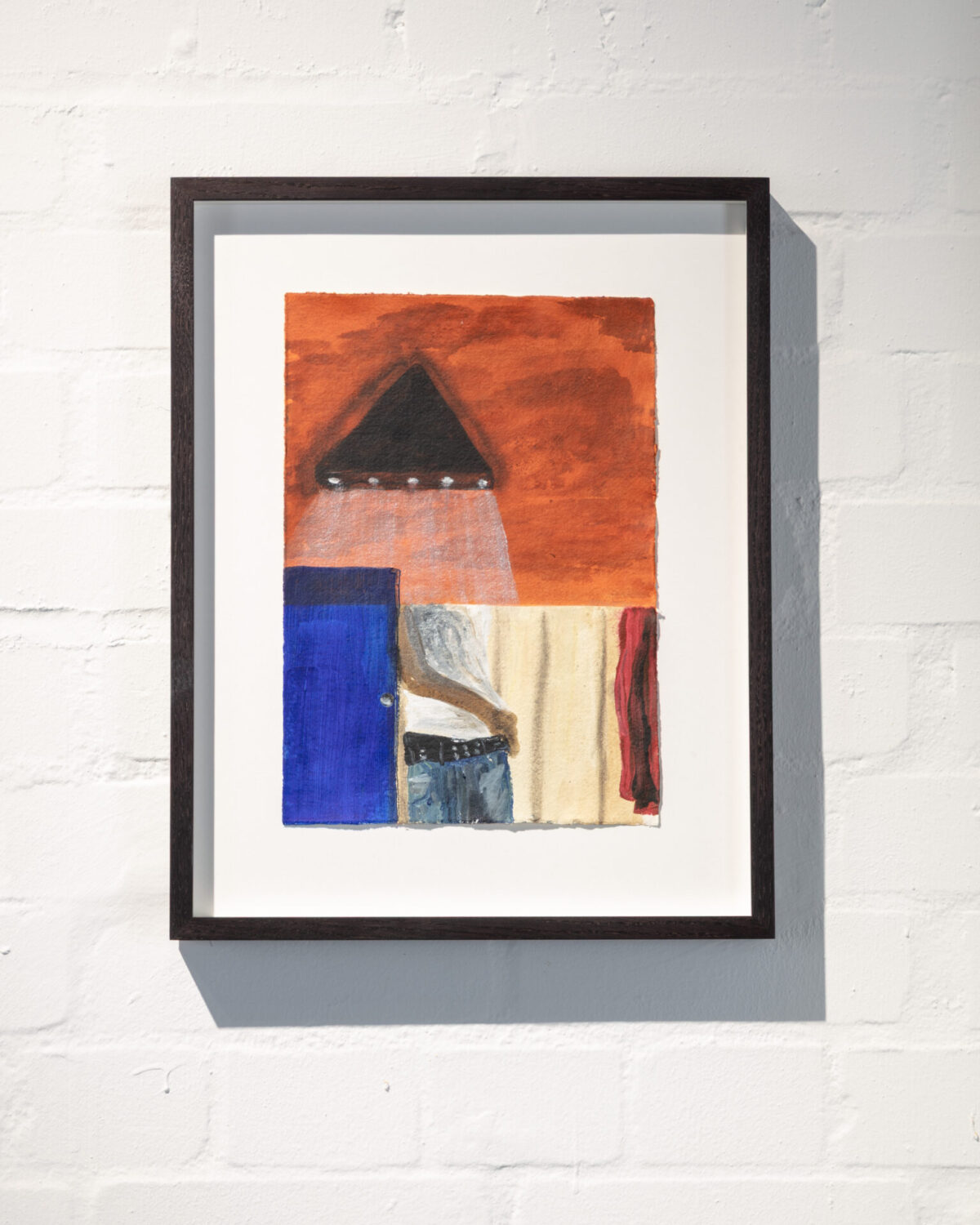
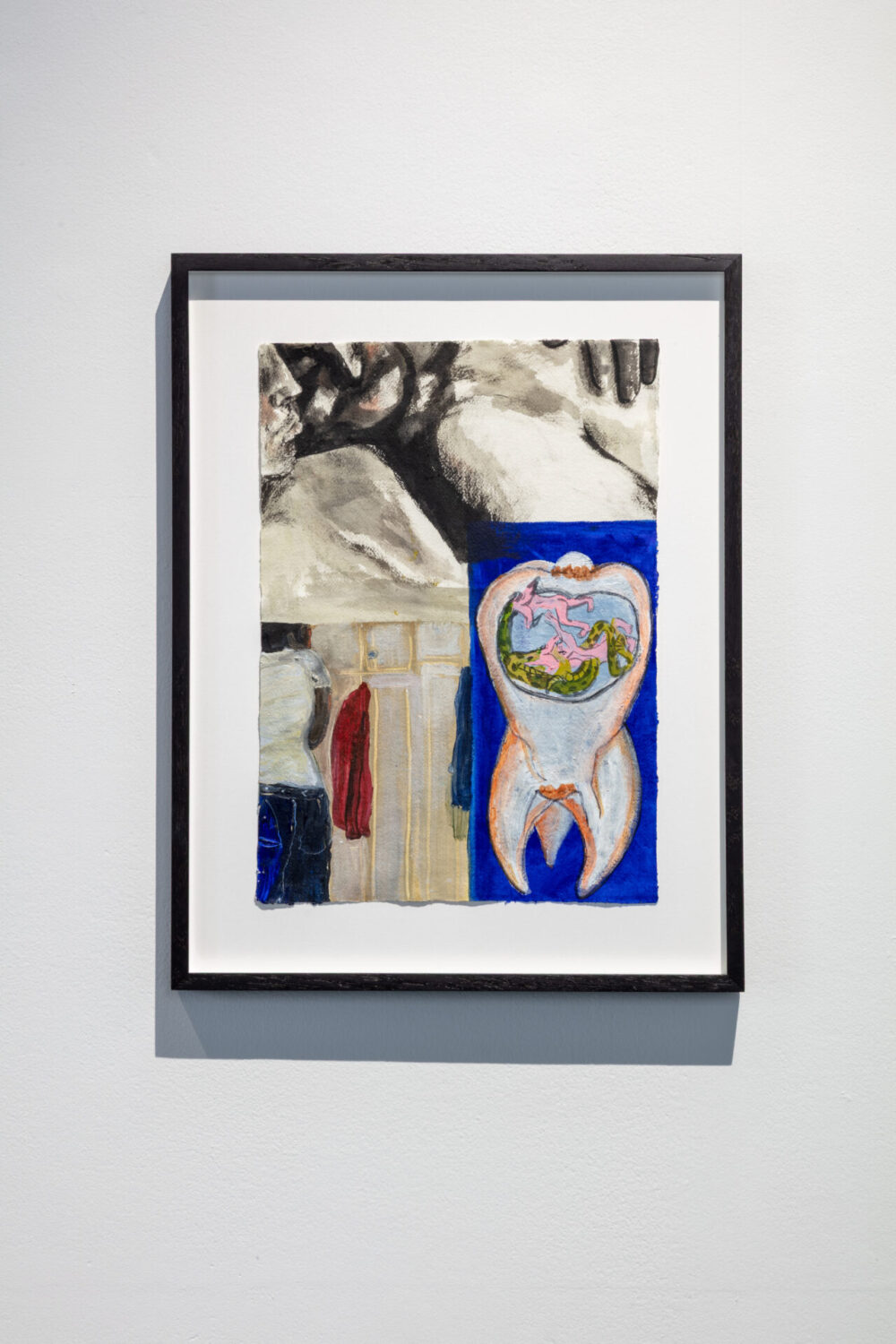
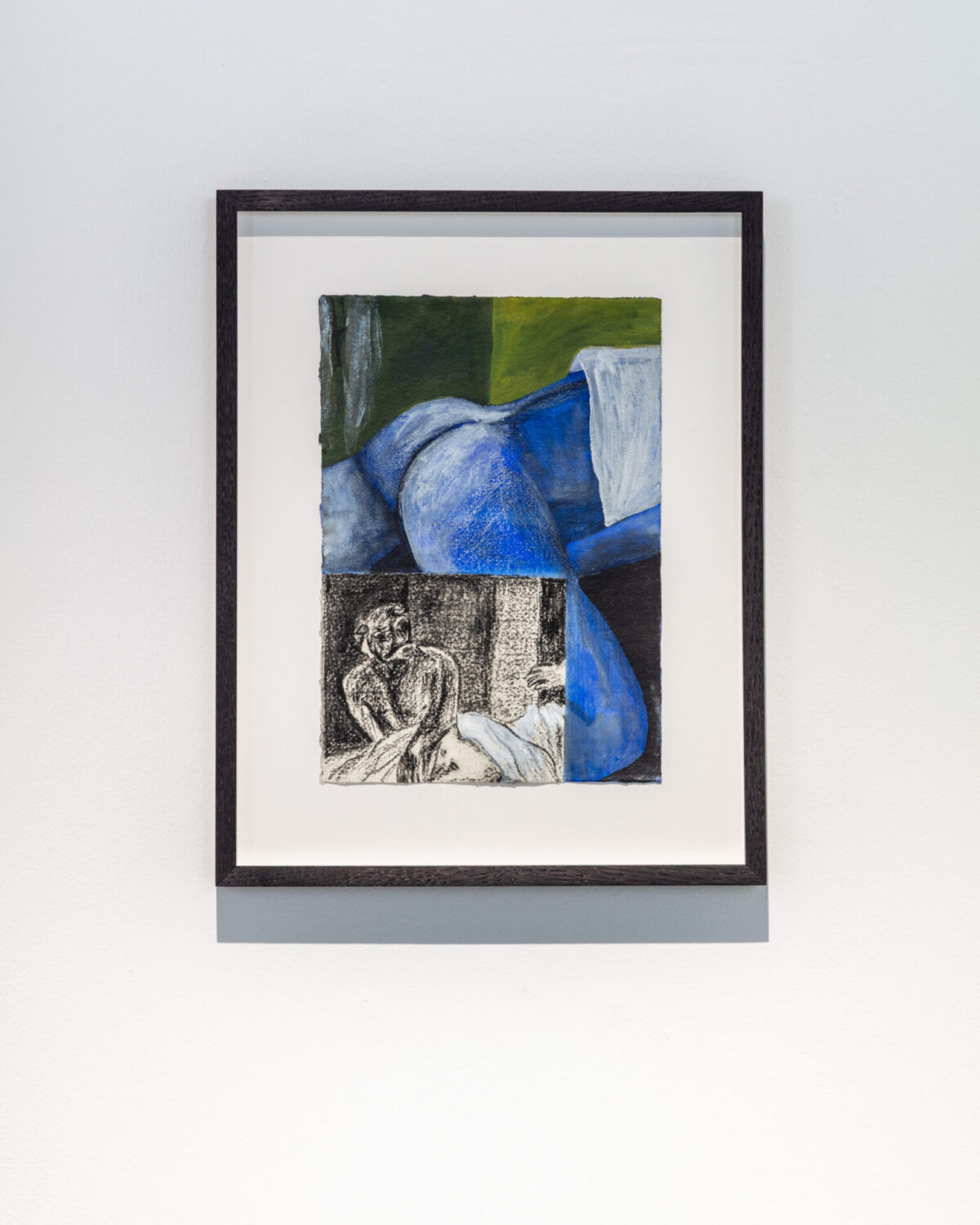
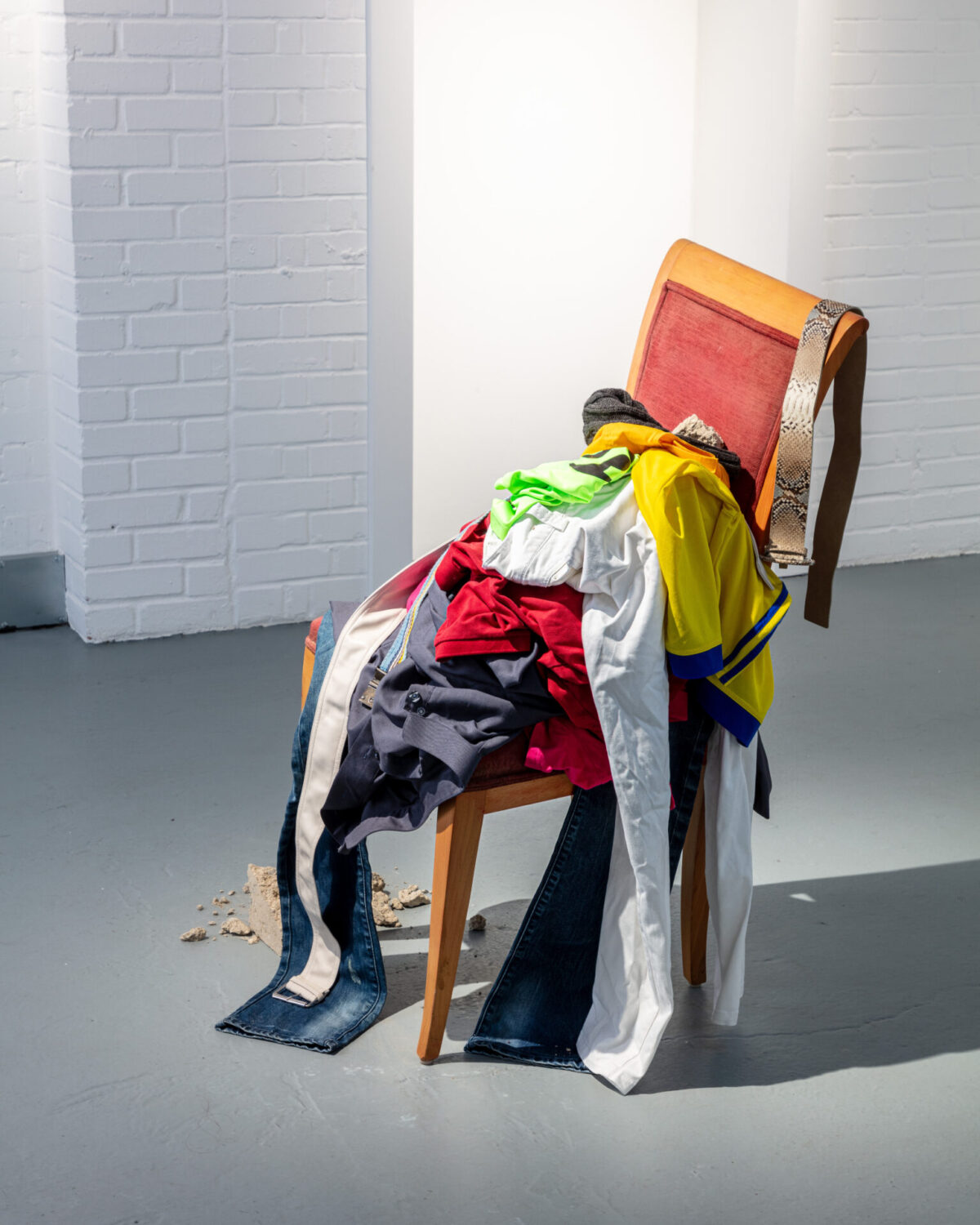
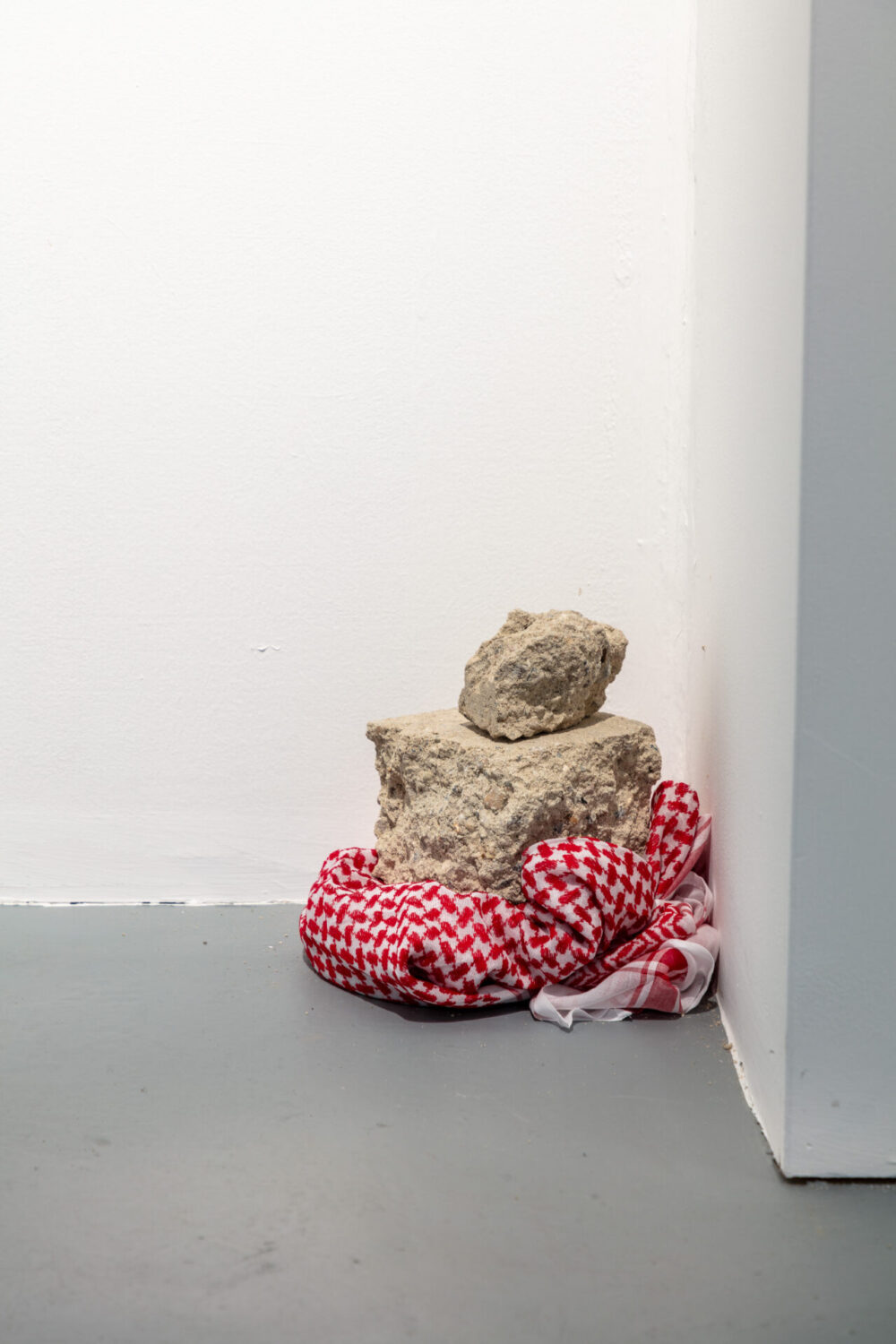
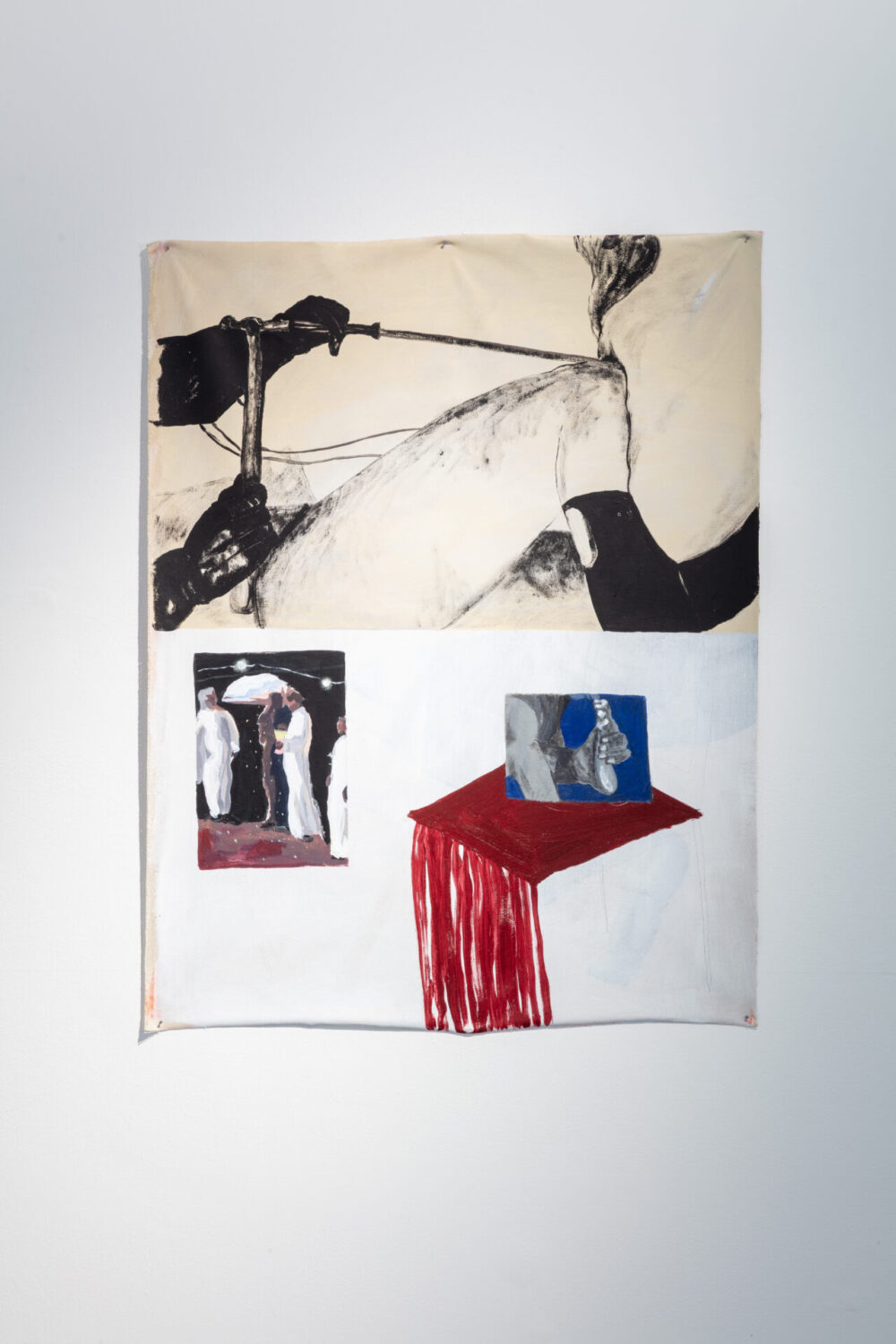
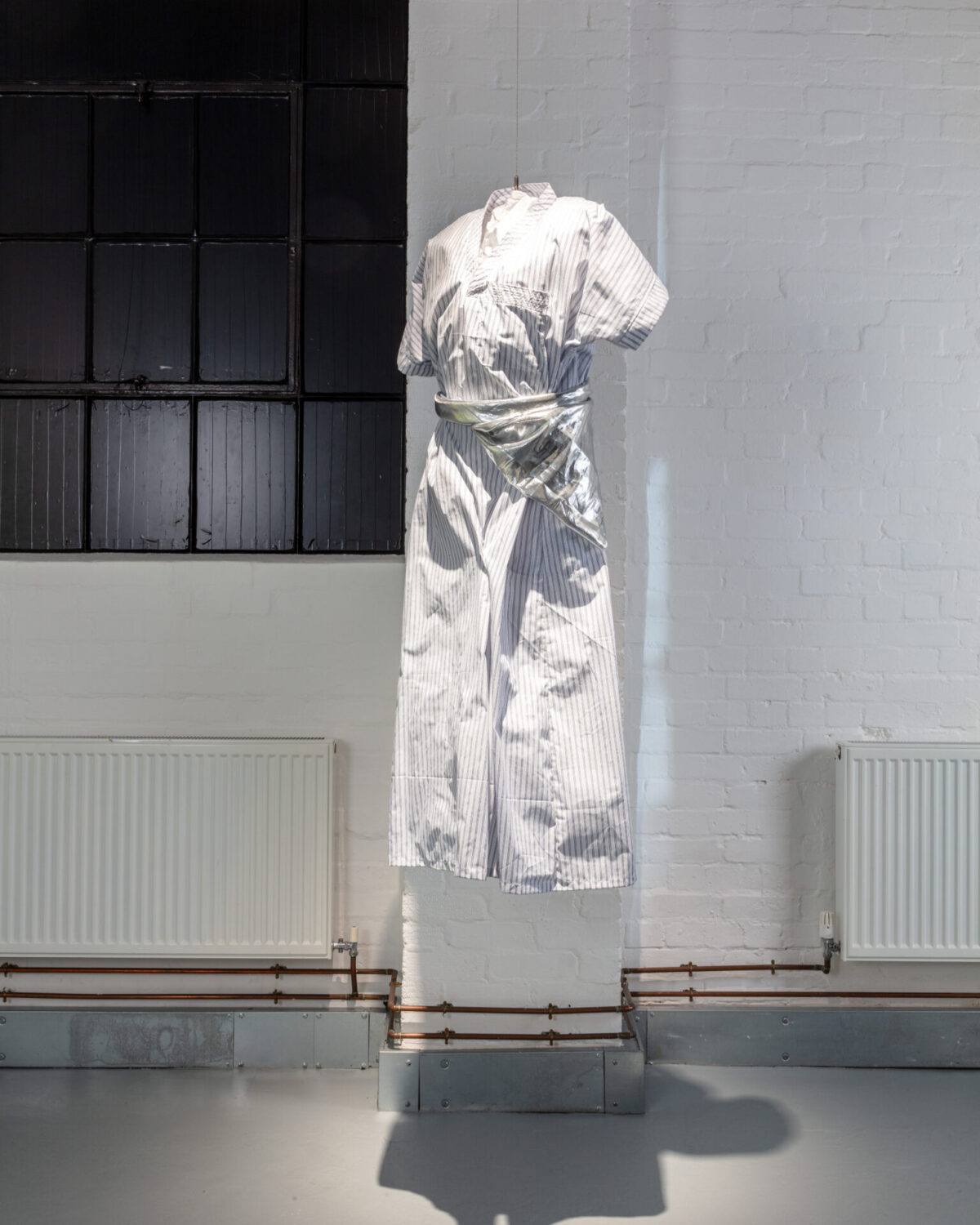
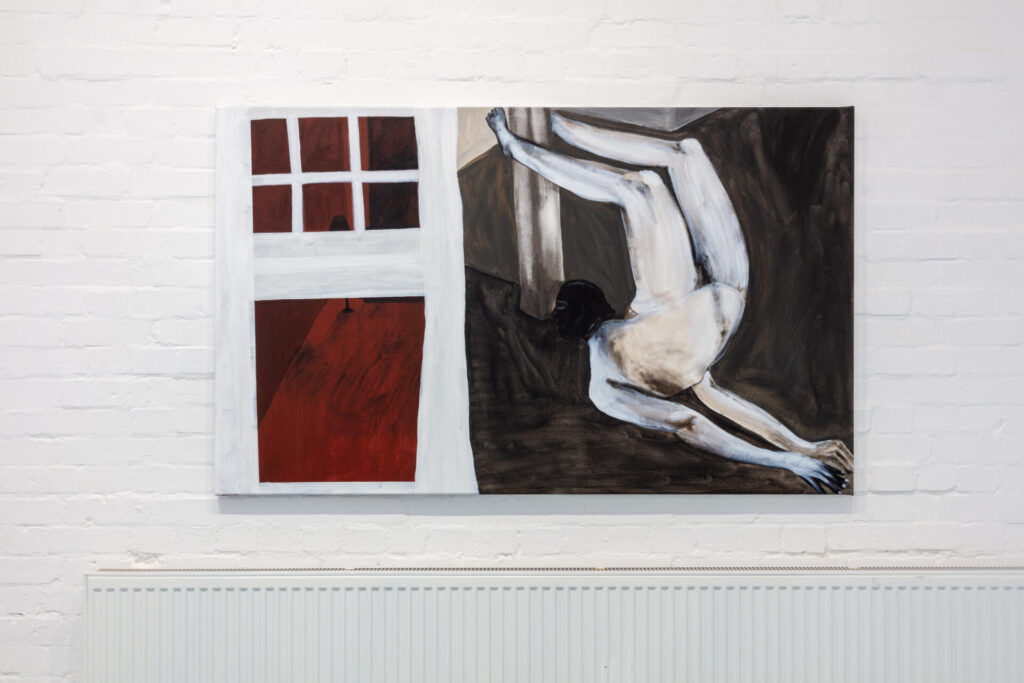
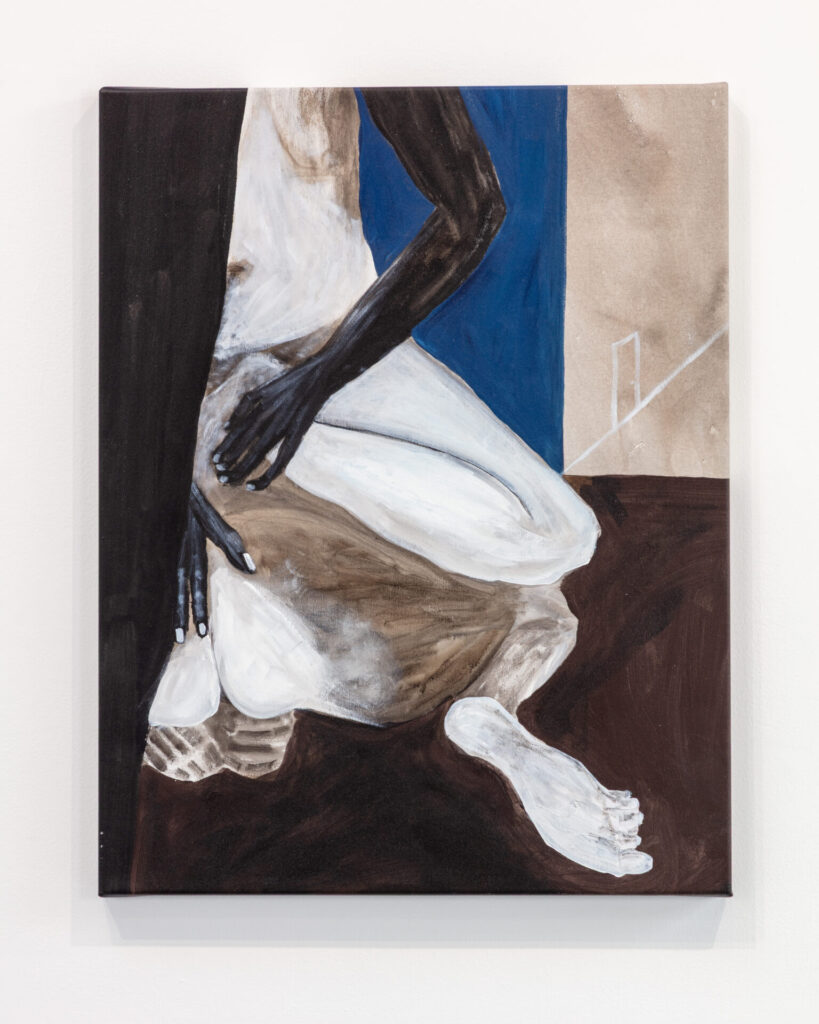
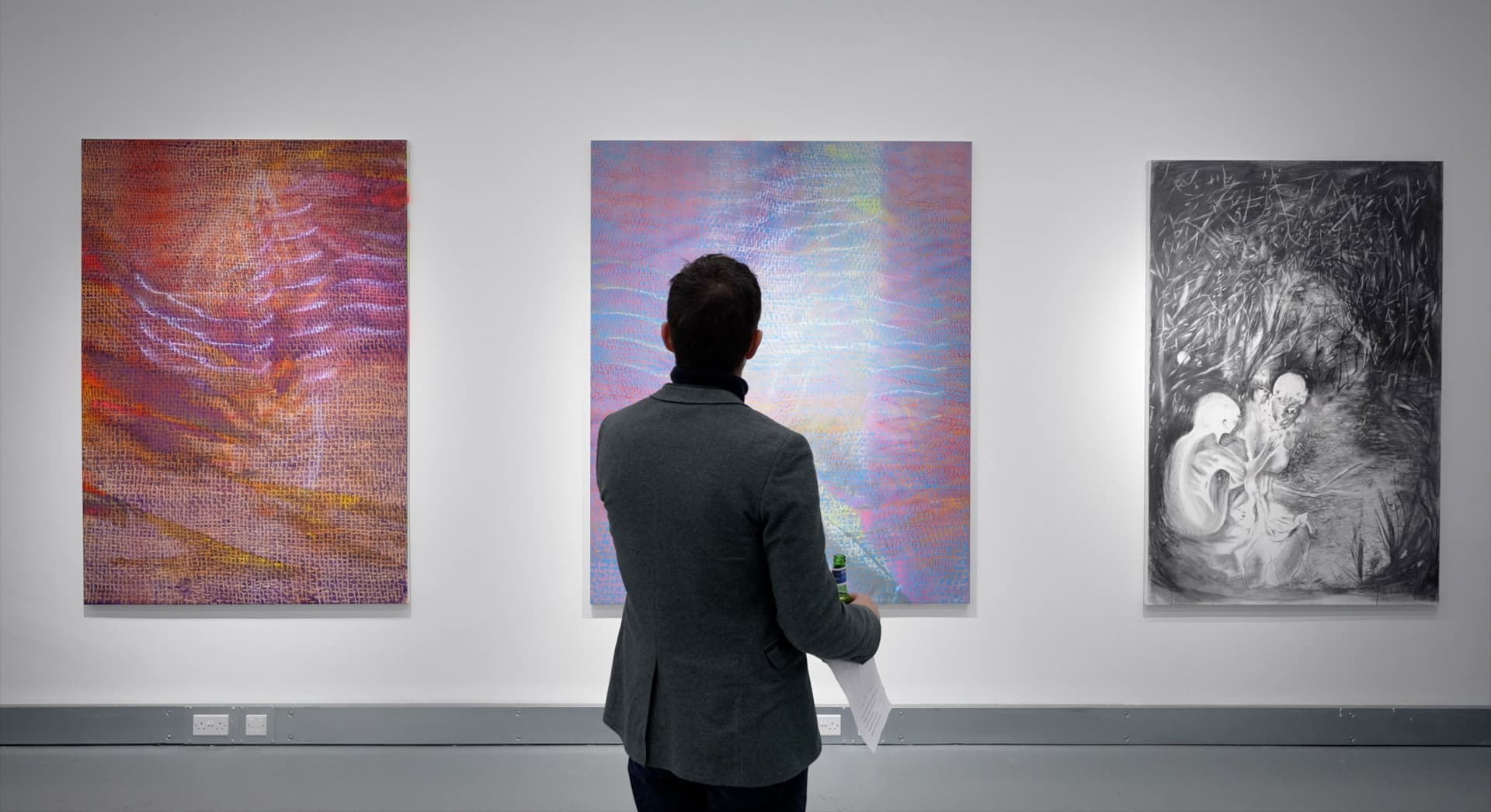
When taking in this exhibition, the themes are assorted but can mainly be anchored to survivalism. Survival is a utopian act; it is the refusal to disappear in a structure that demands erasure, even beyond life. Perhaps what we see here is a more courageous way of being and belonging. It is a way of viewing yourself through people, not by knowing exactly who they are, but by the idea you make of them and the traces of them that are left behind. These works offer a new perspective on a specific era of culture long destined to be forgotten, and Shadi Al-Atallah encapsulates it within a space meant to preserve it timelessly. The mediums that are not tangible in this body of work are memory and trauma, a shared experience. By exploring trauma and memory through art, we come to see how they underpin psychological survival.
There’s no “right” way we can view themes of queerness and survival. It’s almost impossible, always tricky and in some cases, culturally sensitive. There are, however, many rich archives run by professional historians who keep these collections of media alive. By exploring trauma and memory through art, we come to see how they underpin psychological survival. They must keep them in motion. Even though it is an integral part of cultural history, it is considered wrong in most eyes. So, despite all, experiences must be validated and documented.
The connection between the cobra1 and survival is the memory it left. The correlation between memories and survival is that as humans, we make an effort to live, thrive, and survive, and therefore, a memory is created. Naturally, to us, memory is survival. Culturally, it is a shared experience. And poetically, what remains of us is our memories, and that is how we outlive ourselves. And my heart aches for poetry and speculation, for art.
1. Cobra is both a viper and the alias of one of the characters featured in the films.
Exhibition text by Malak Alhajri.
This exhibition is curated by Maria do Carmo M. P. de Pontes.
COBRA will run from 28th November 2025 to 24th January 2026, Wednesday to Saturday, 12-6pm or by appointment.