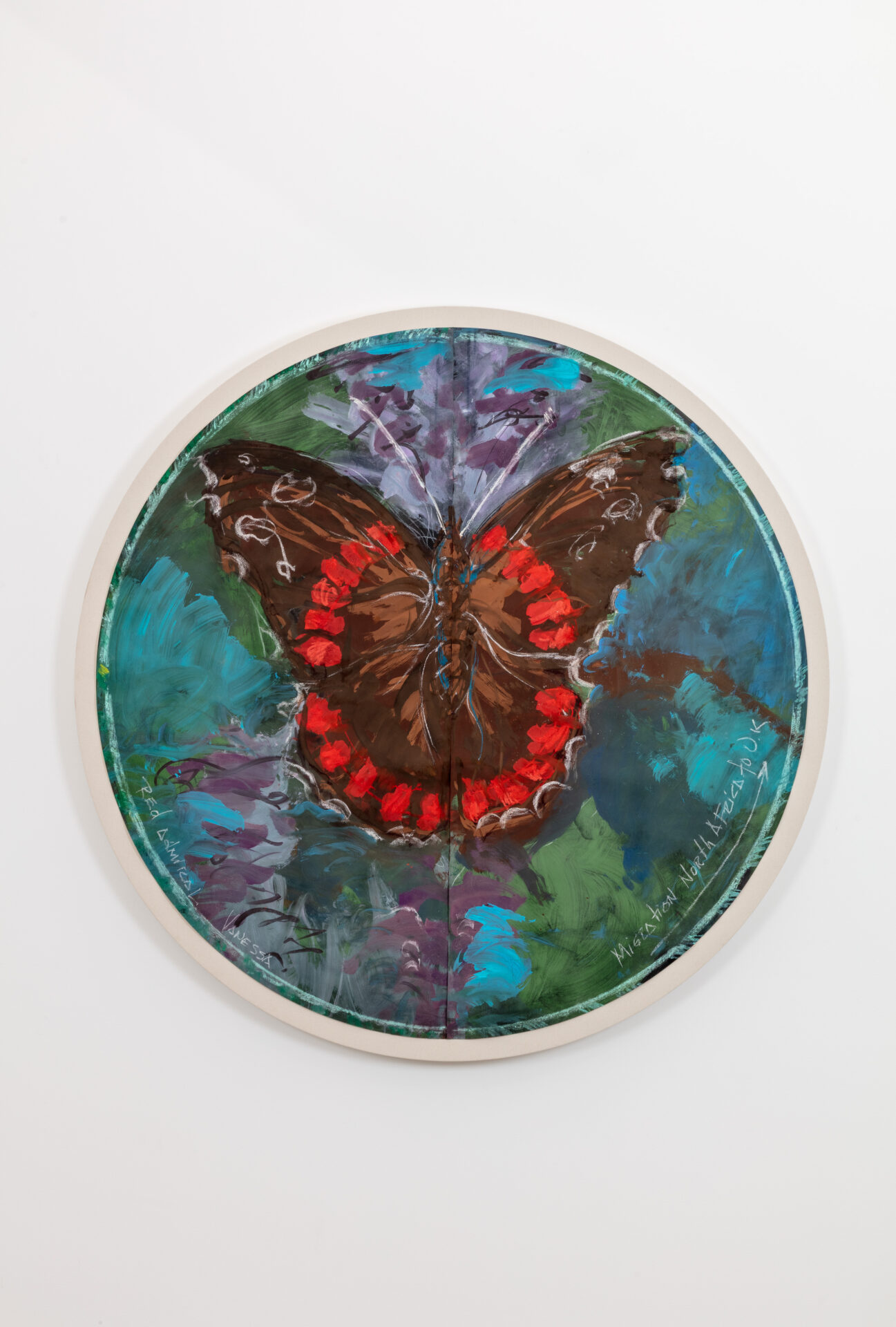
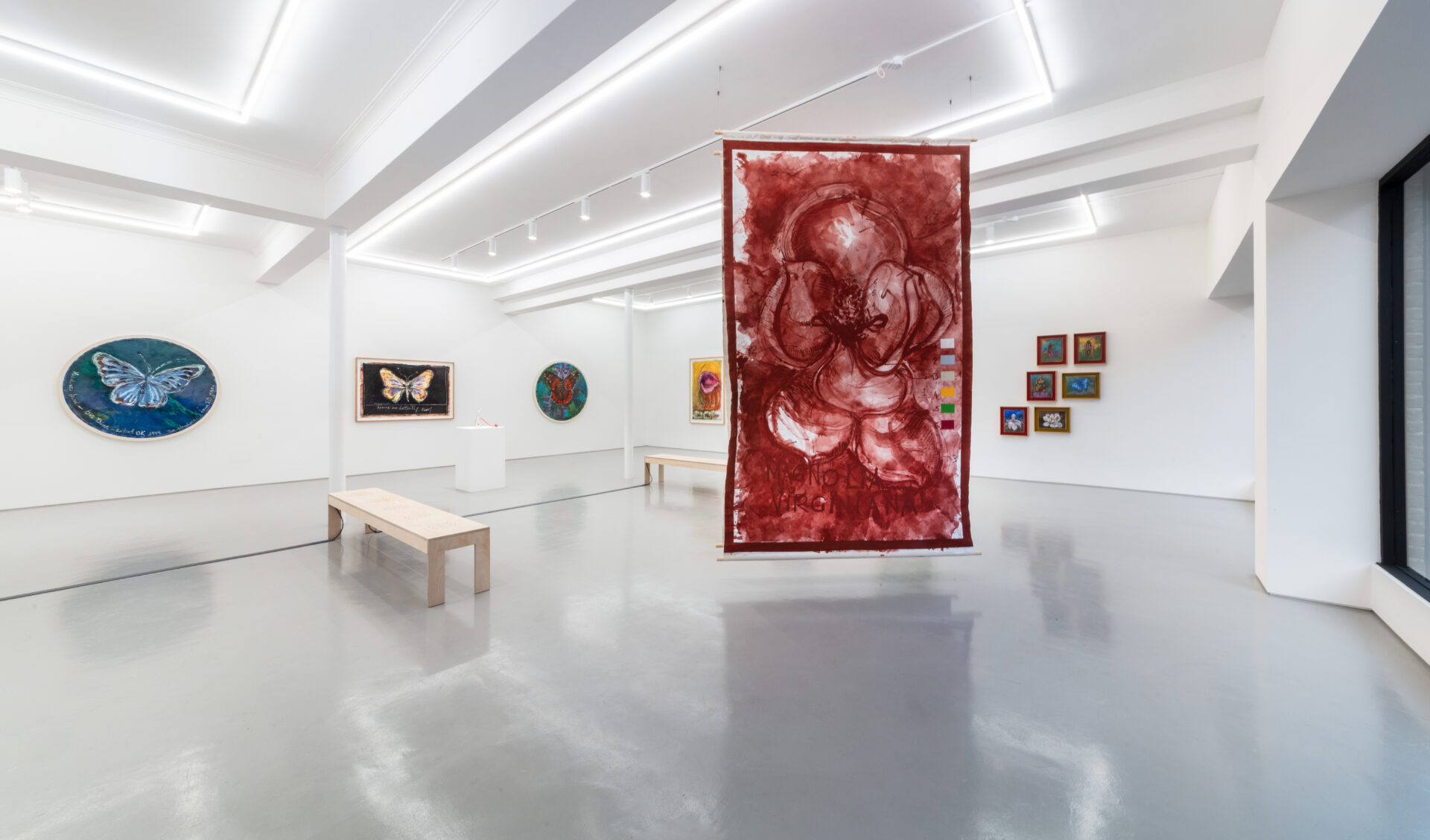
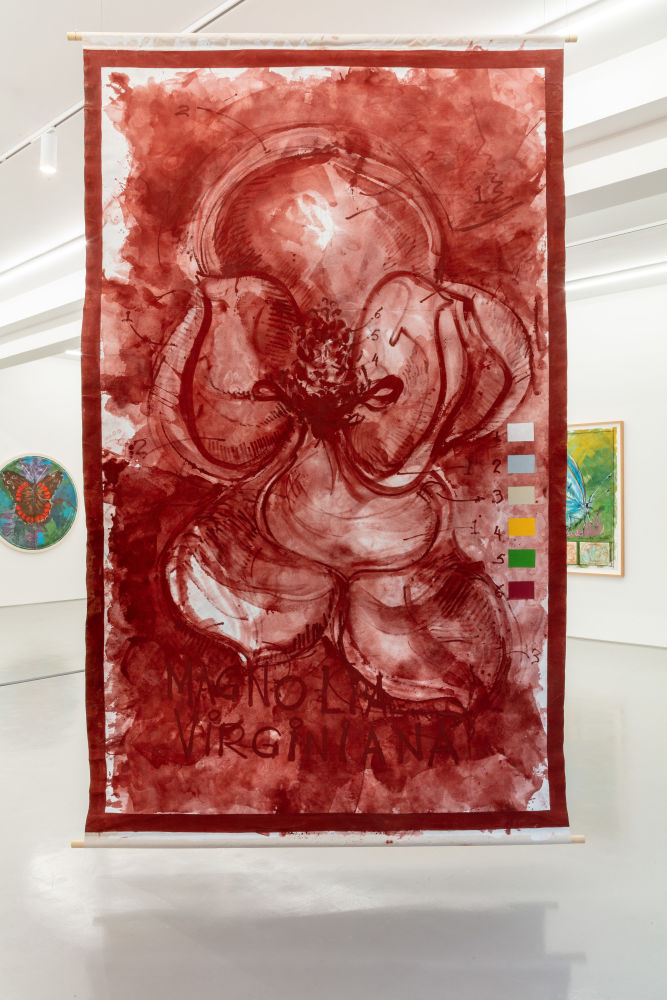
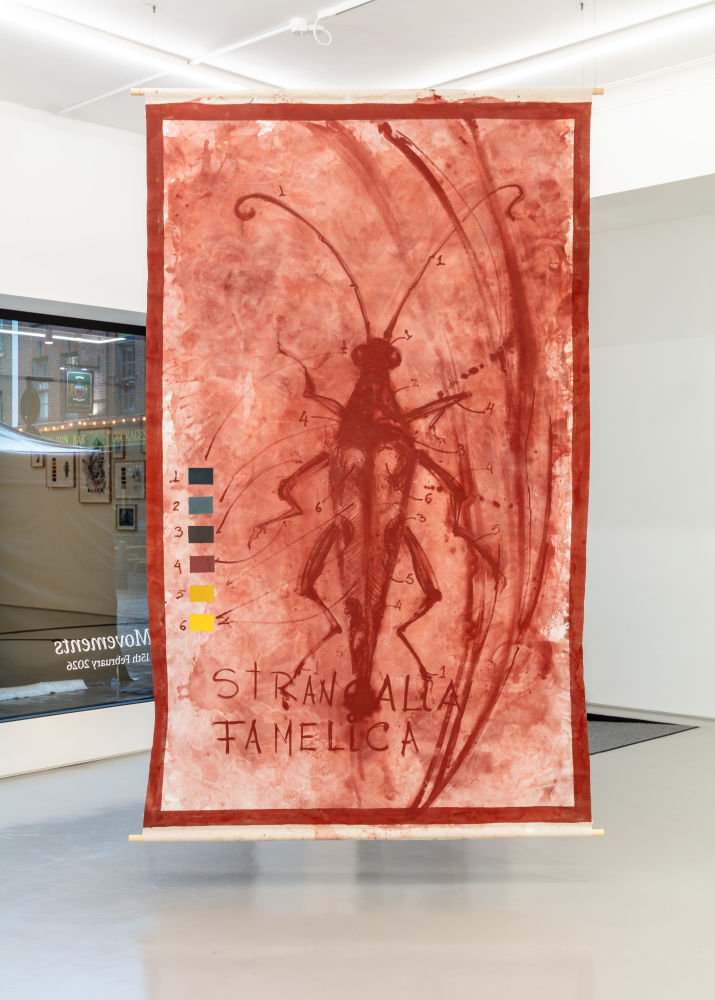
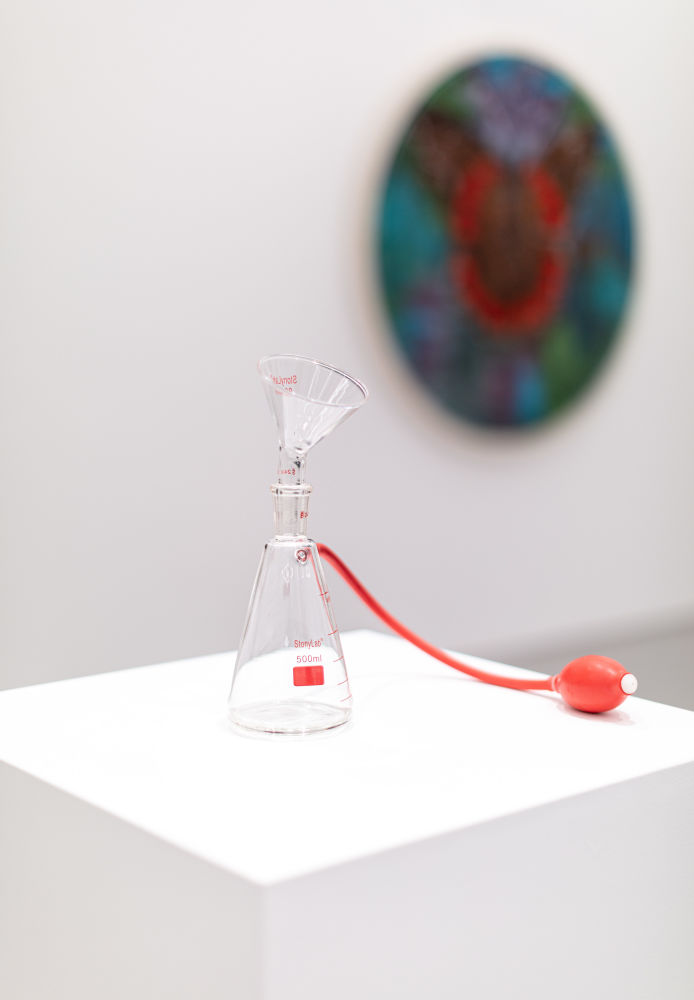
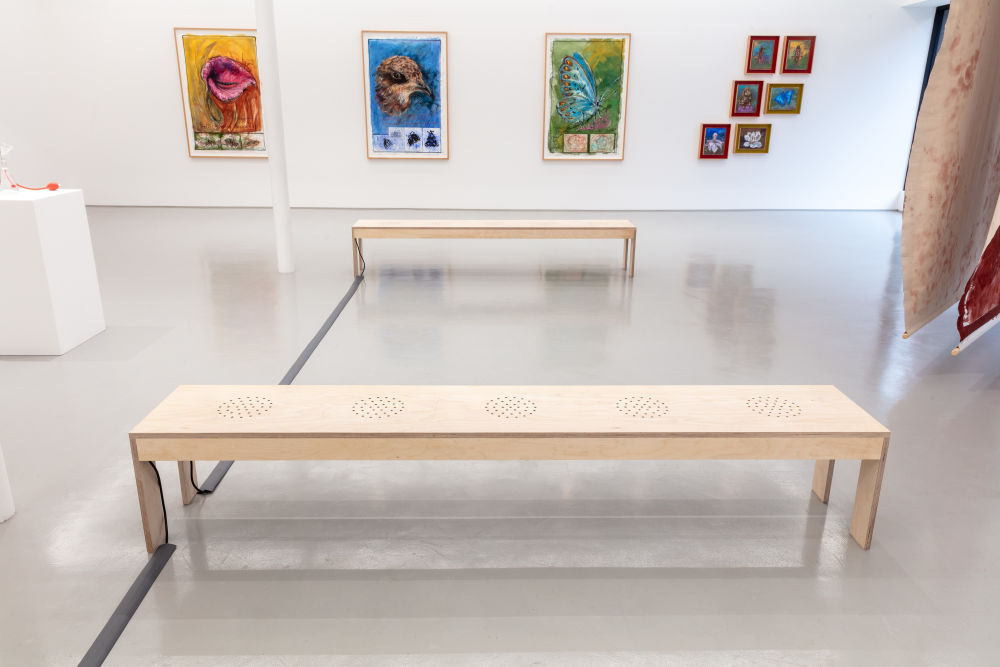
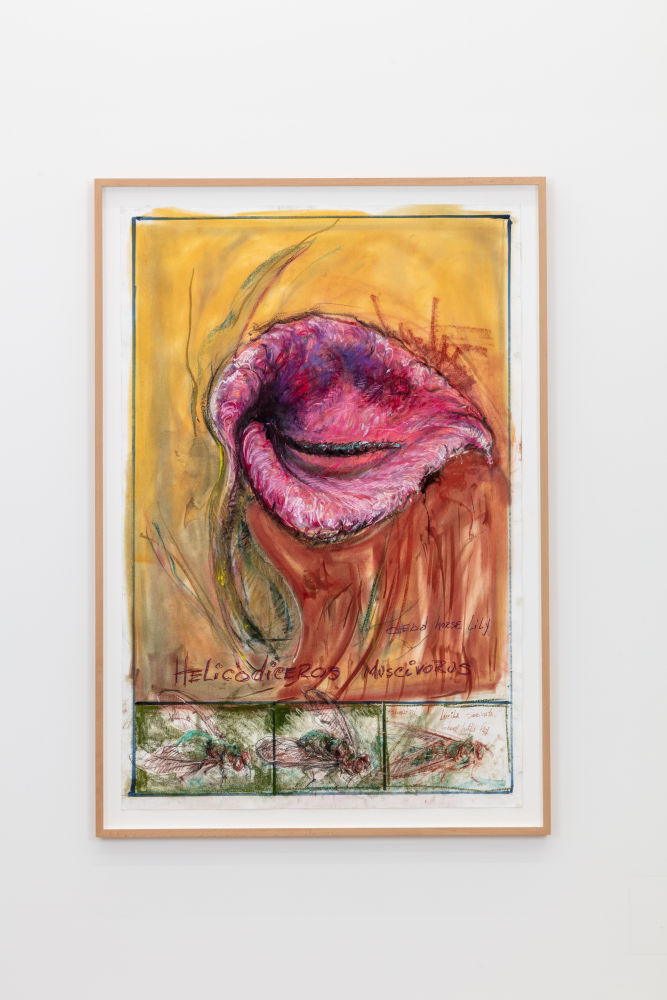
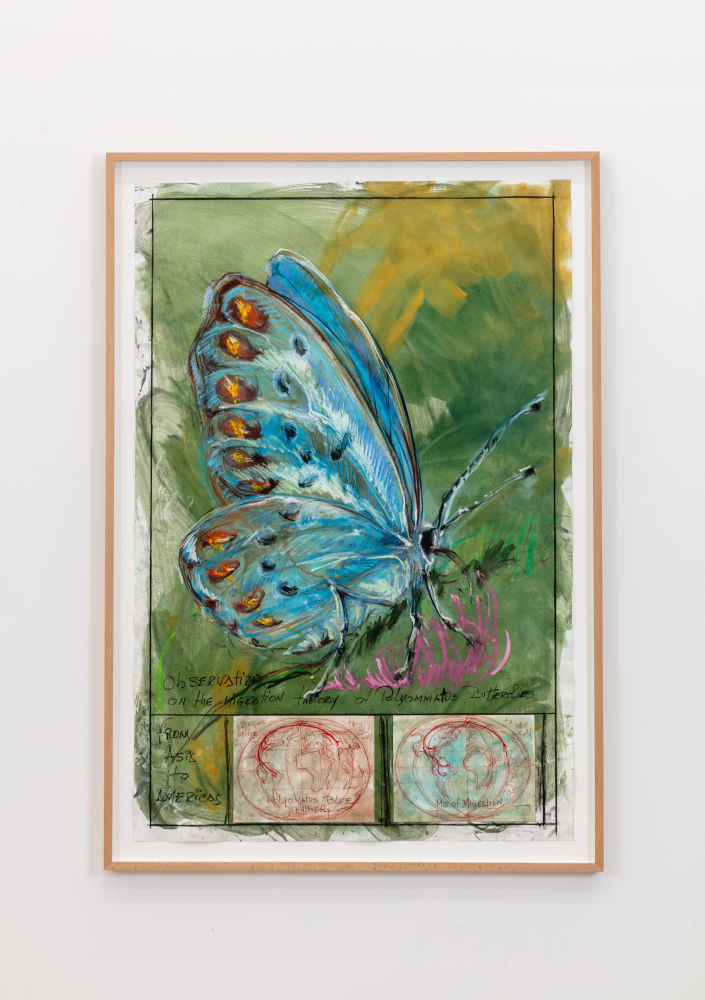
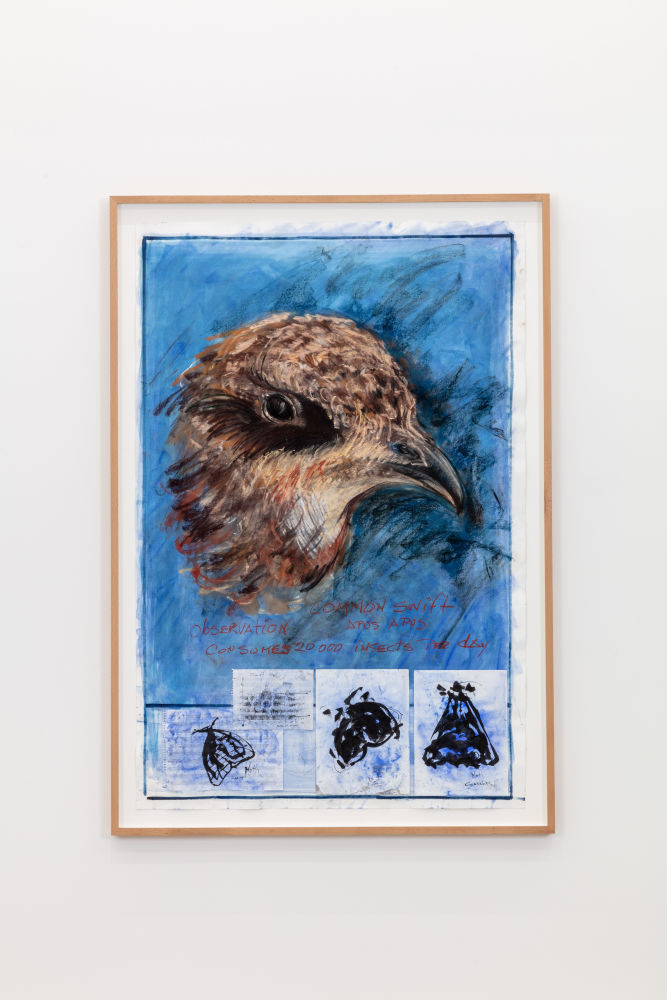
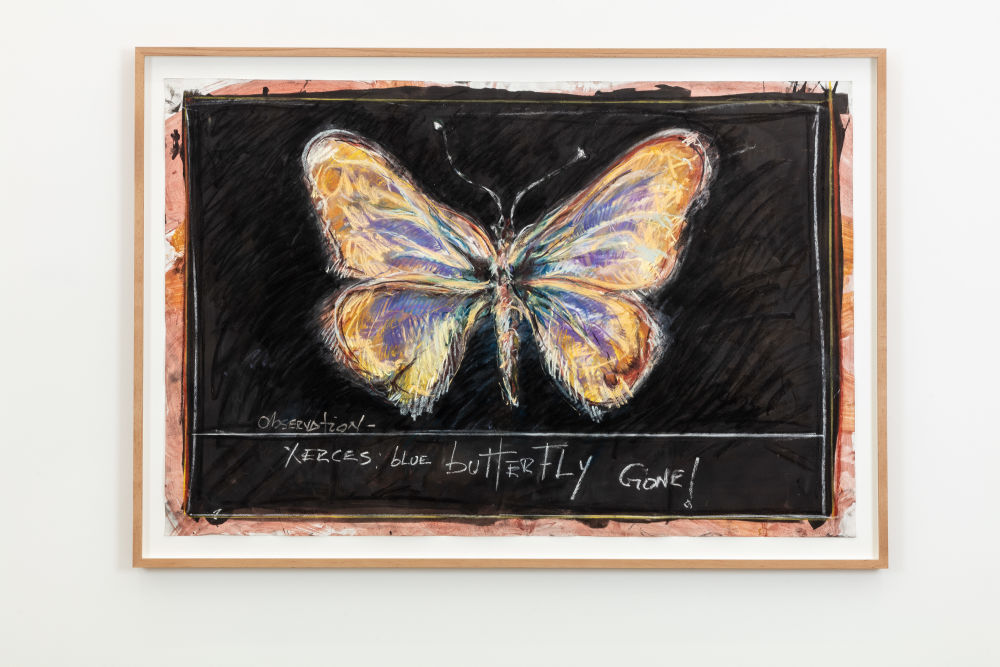
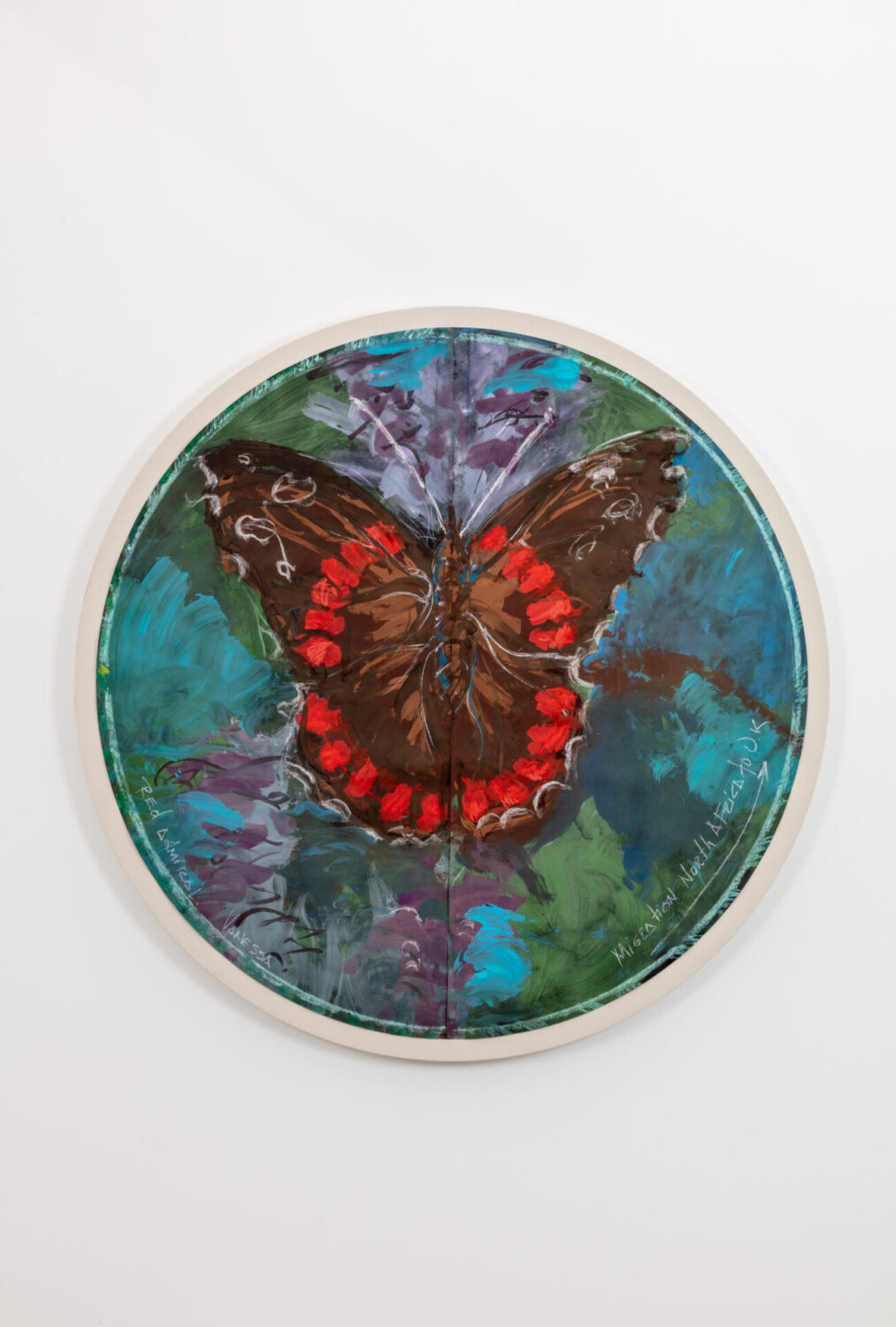
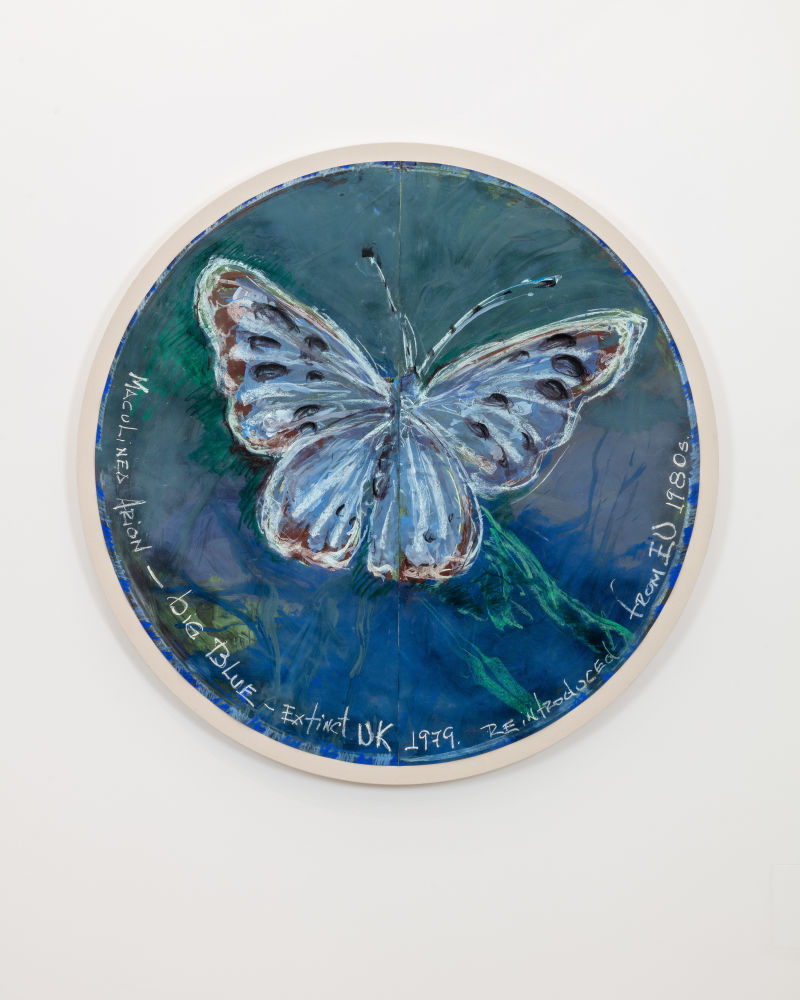
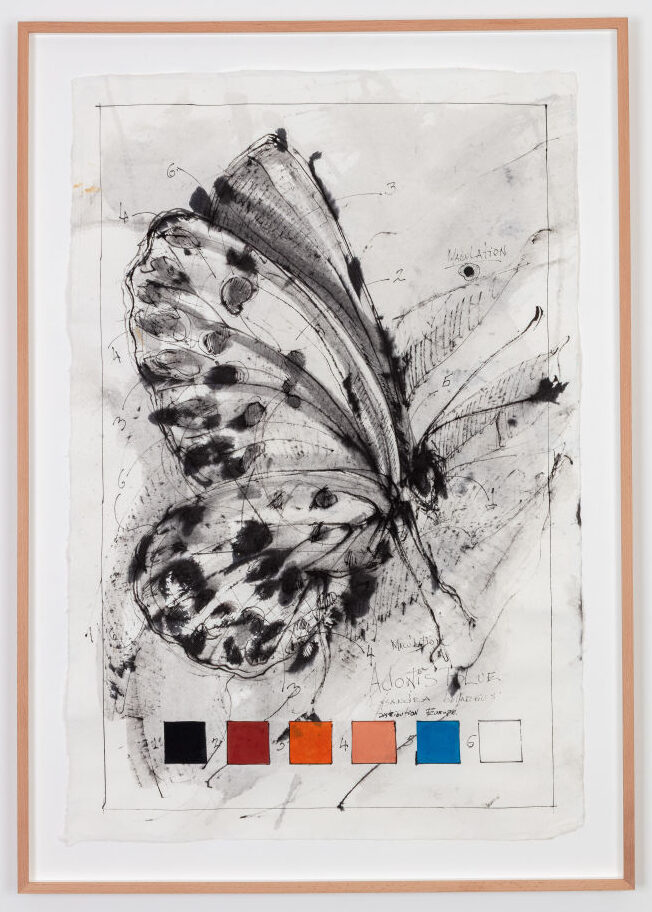
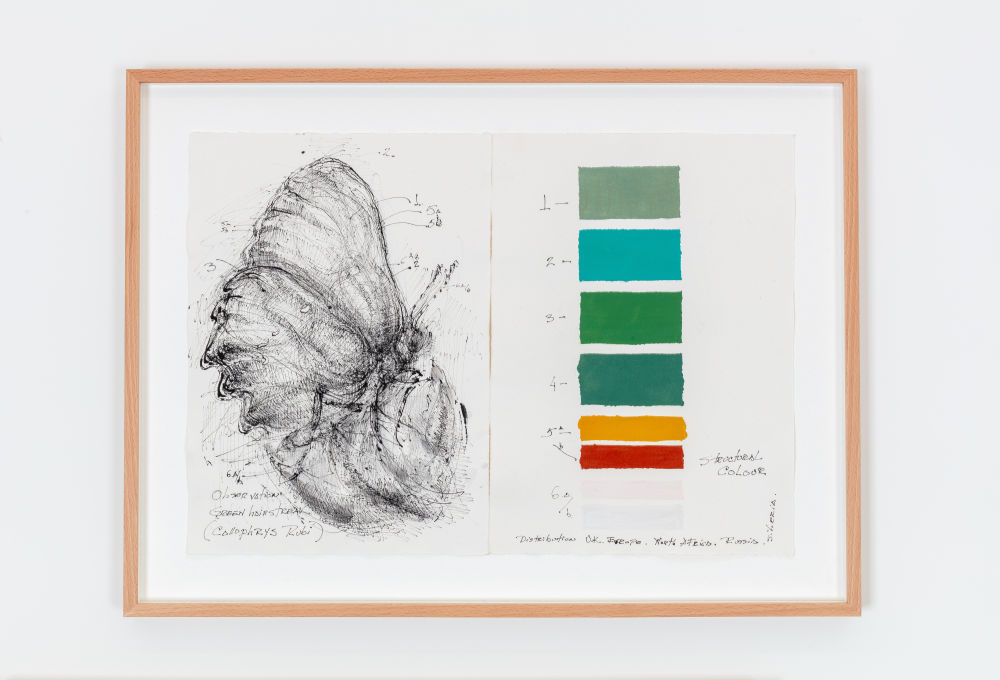
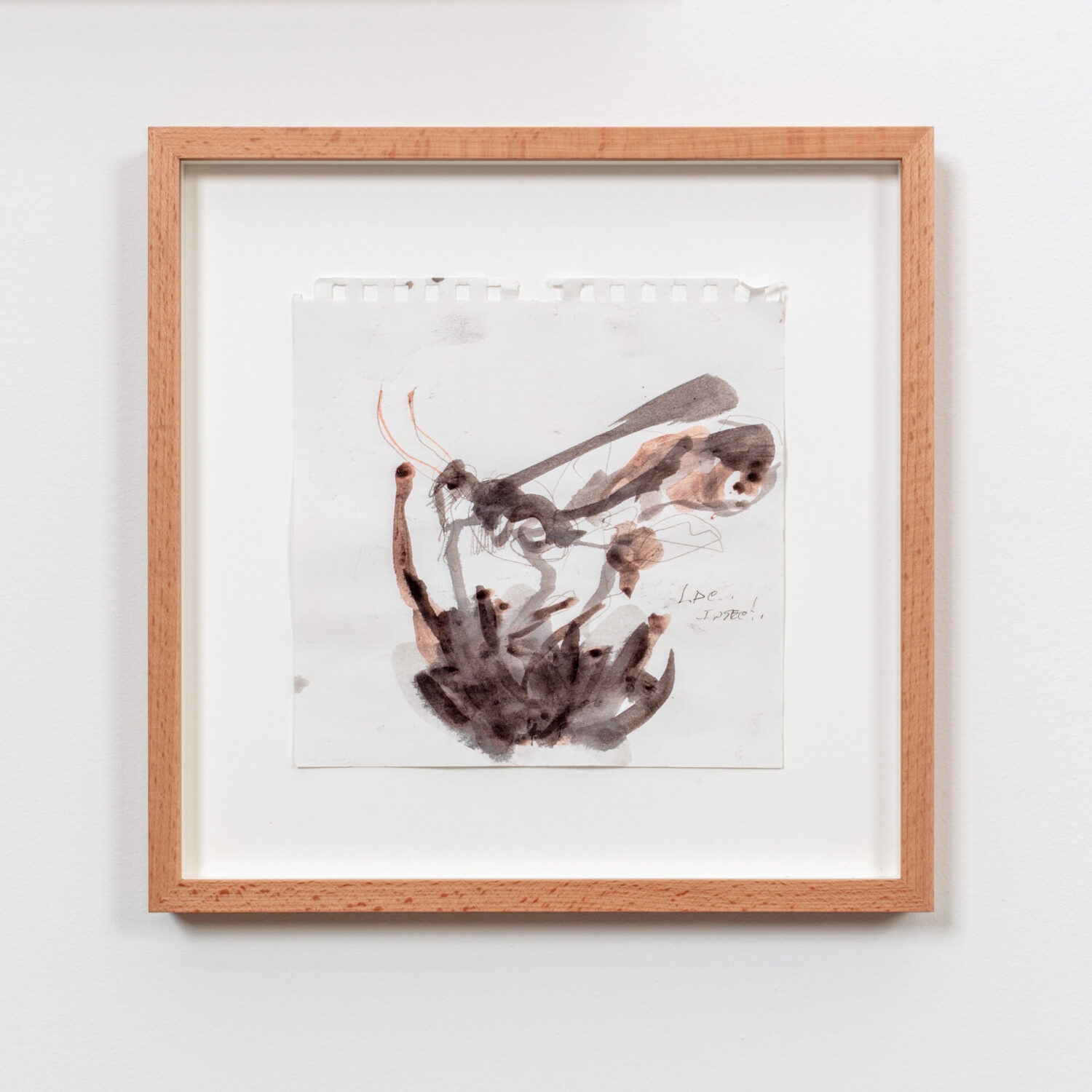
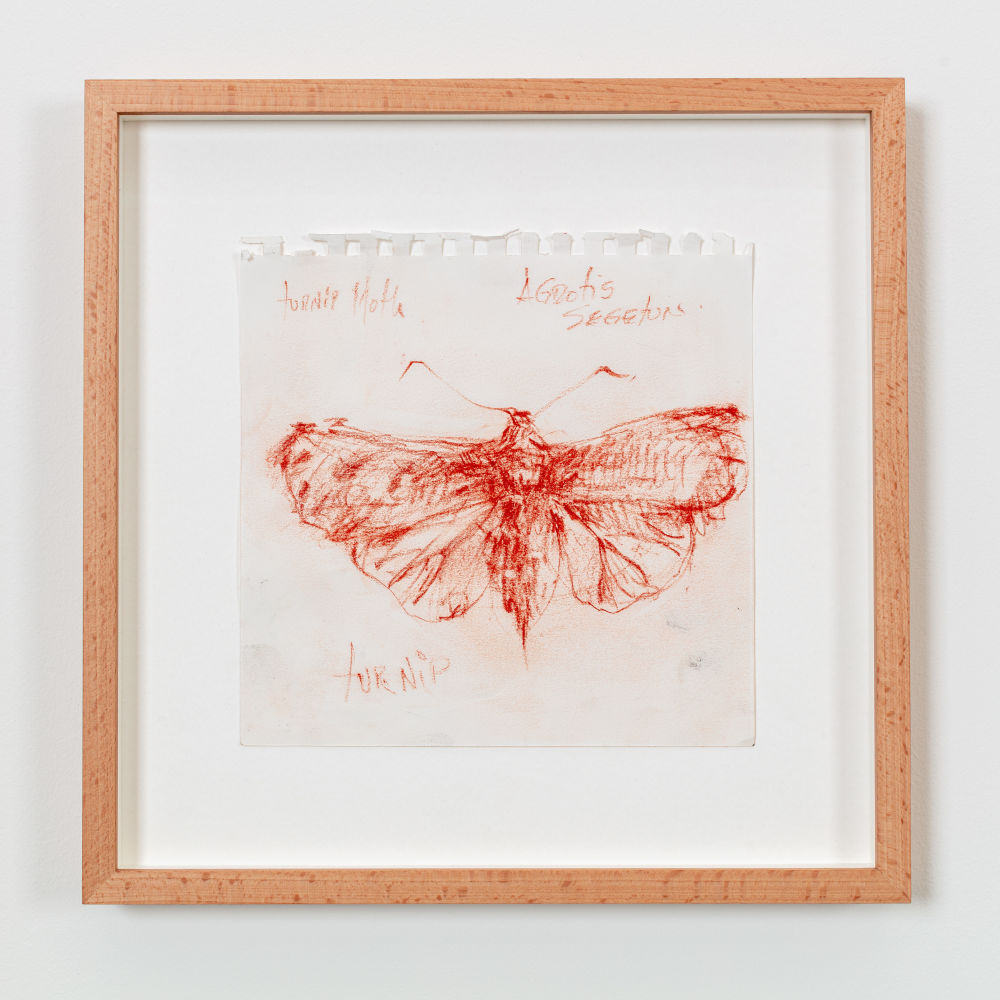
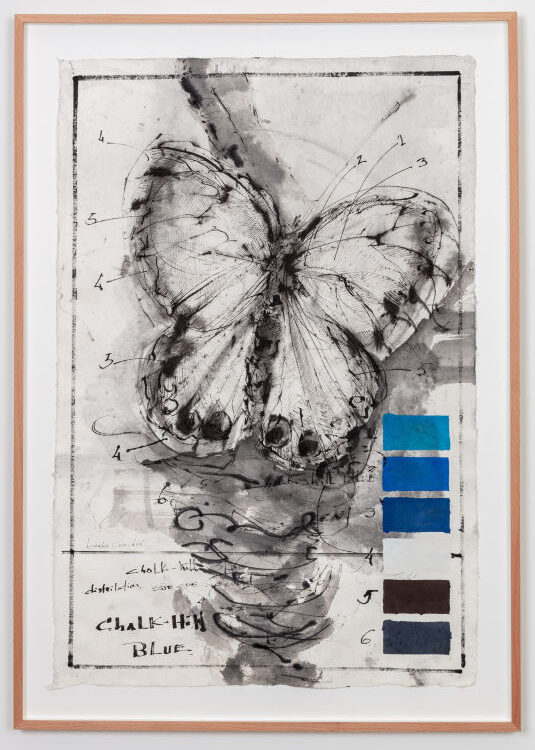
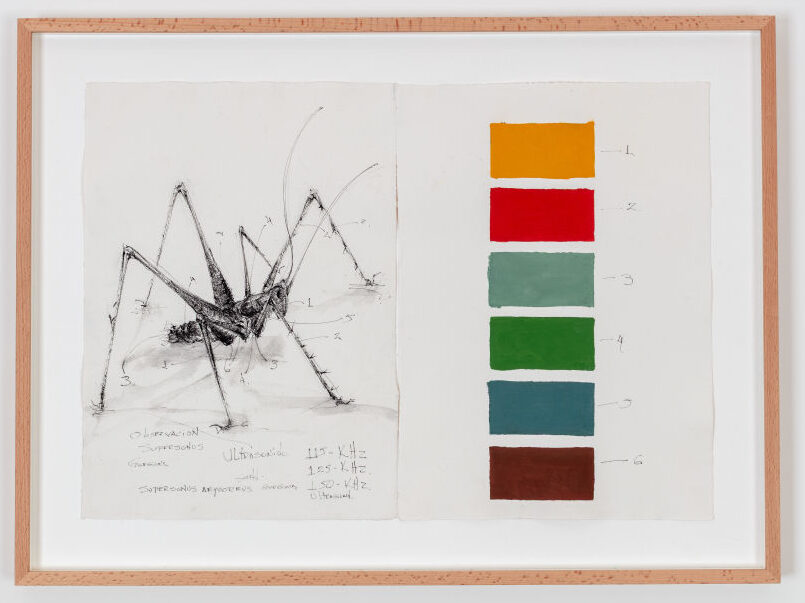
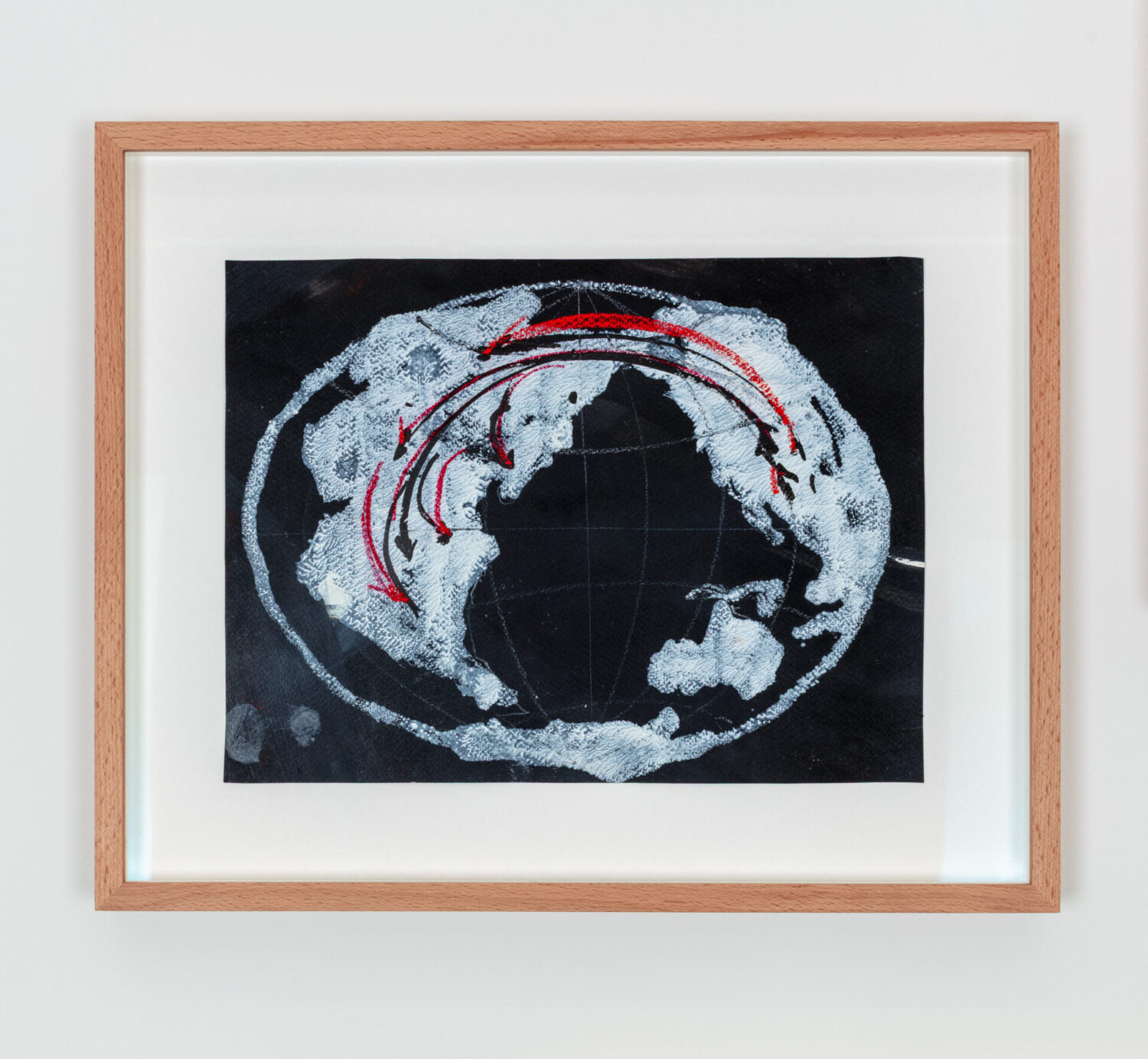
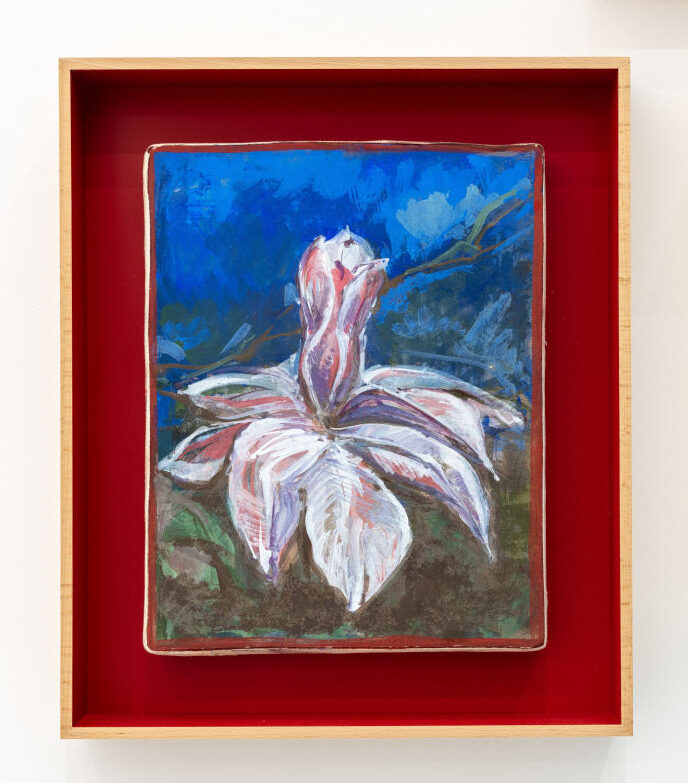
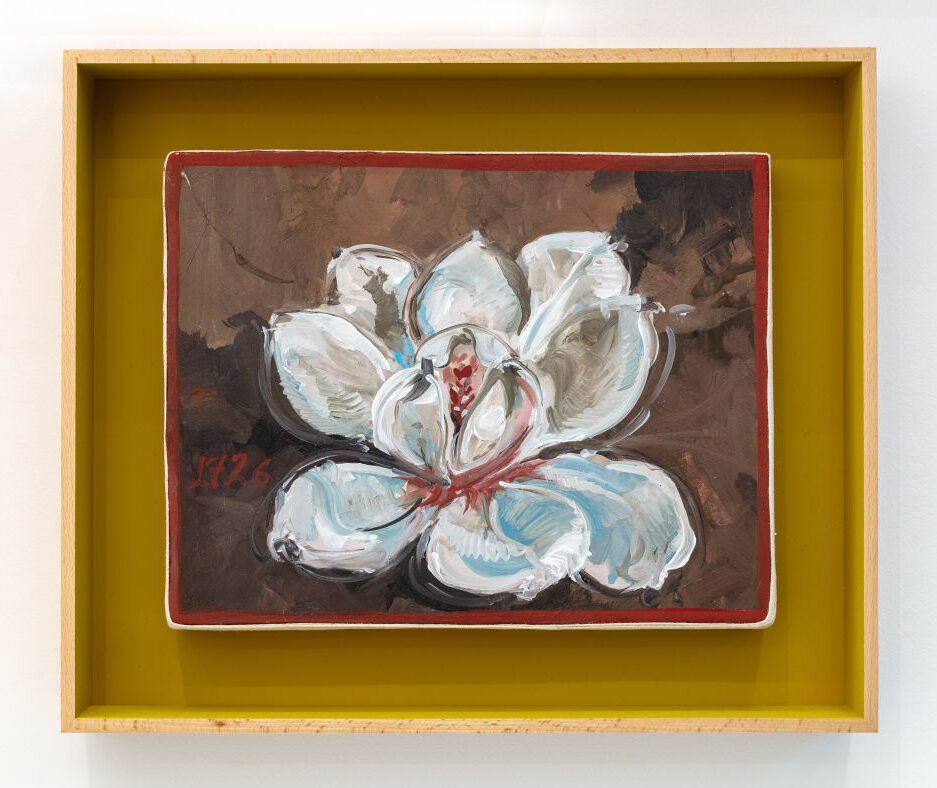
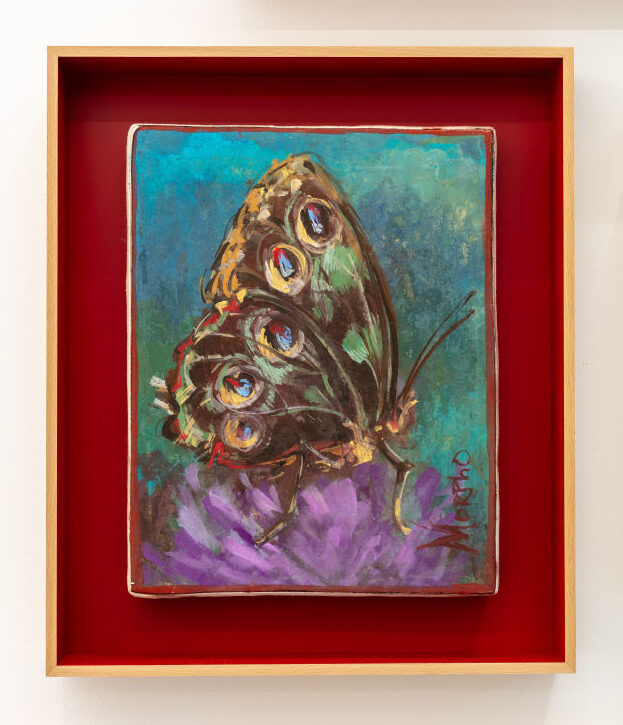
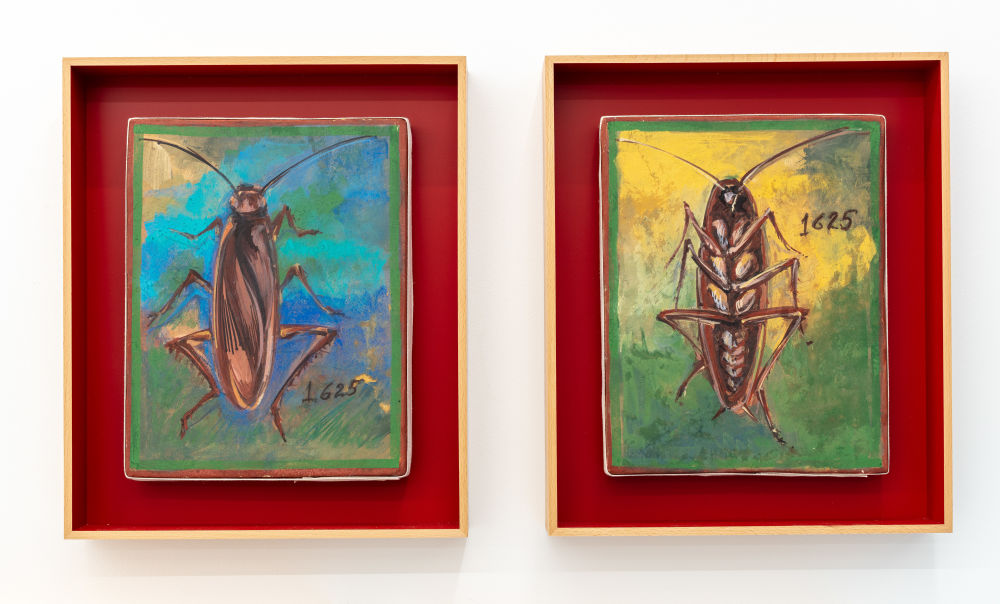
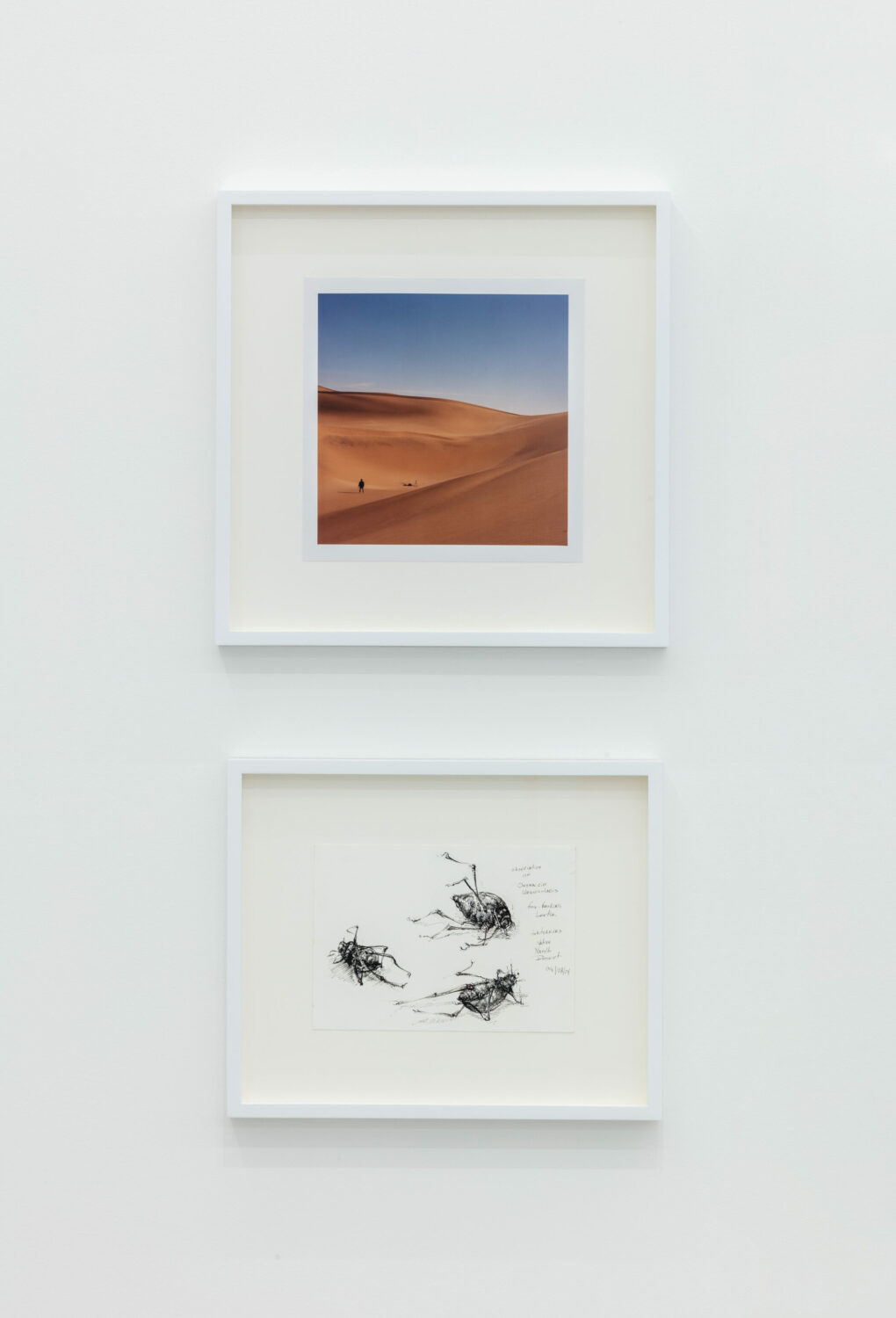
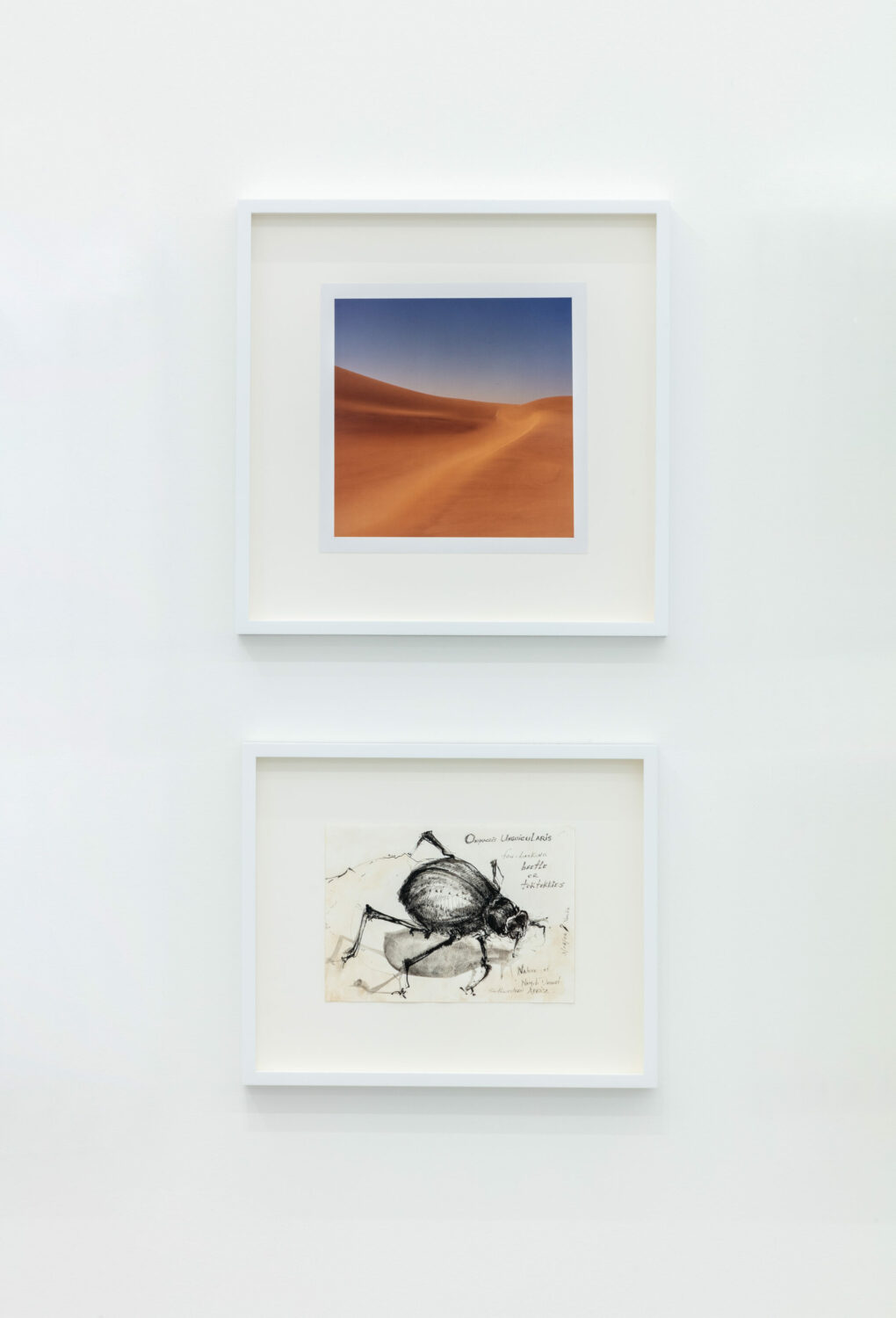
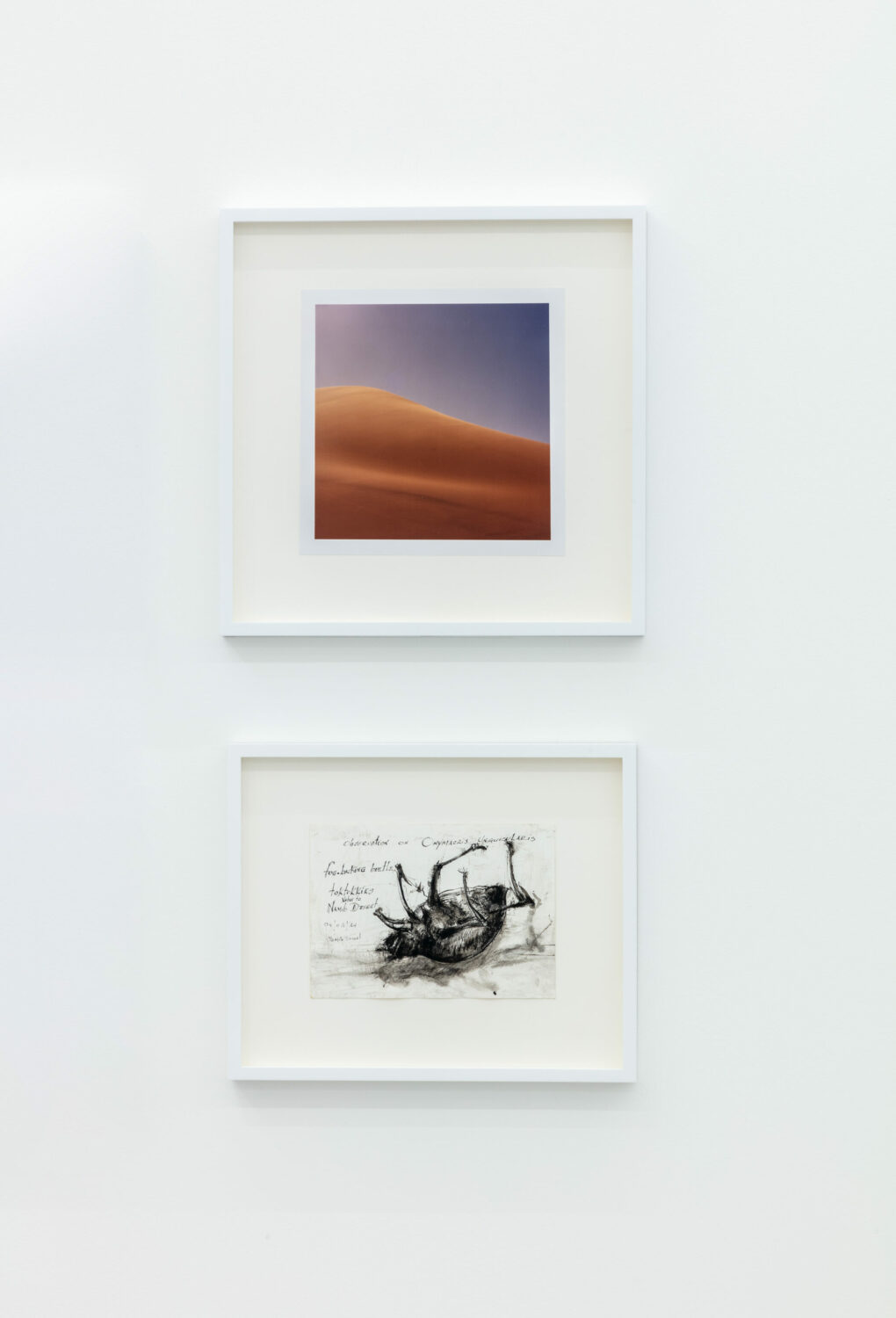
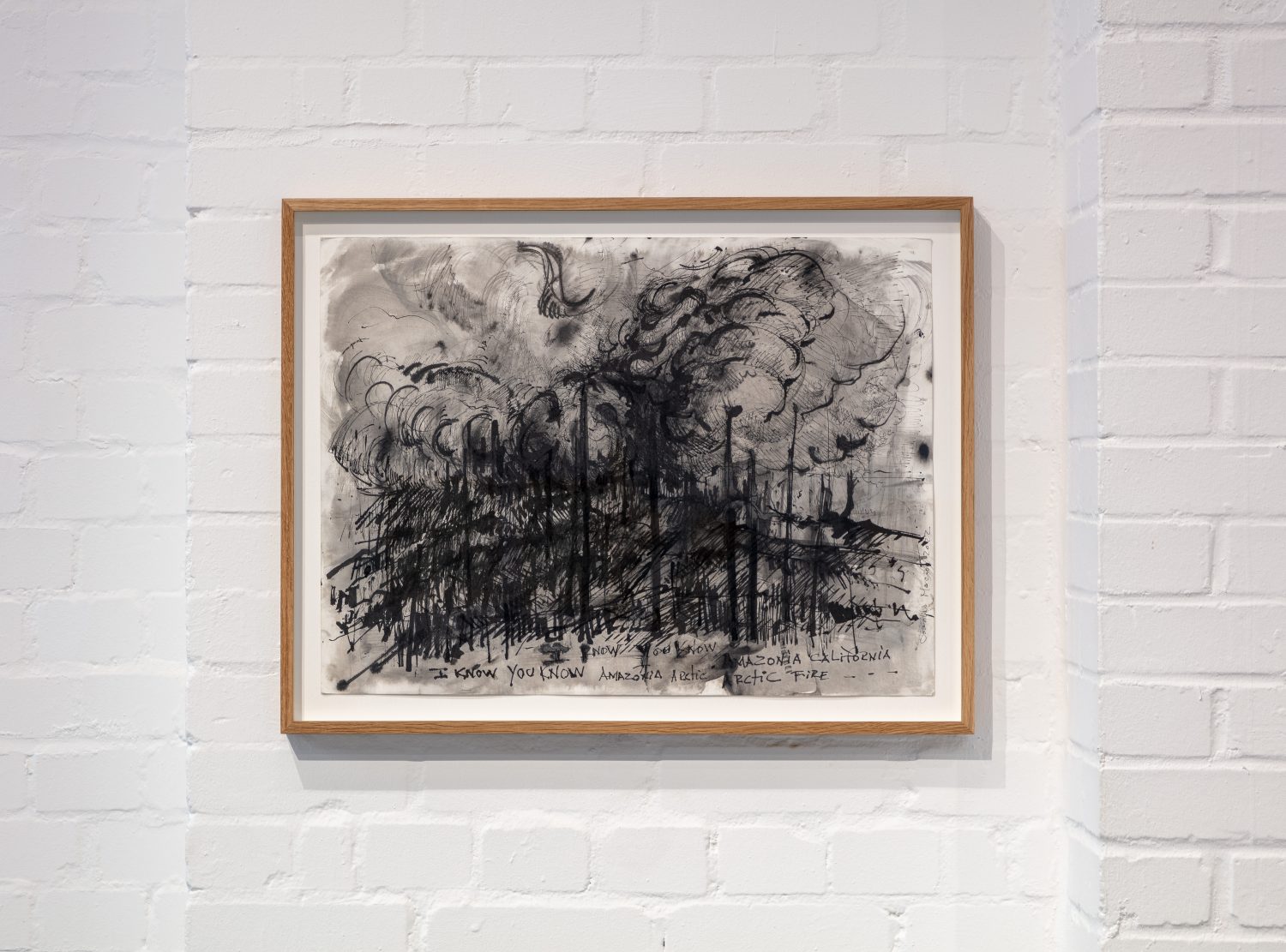
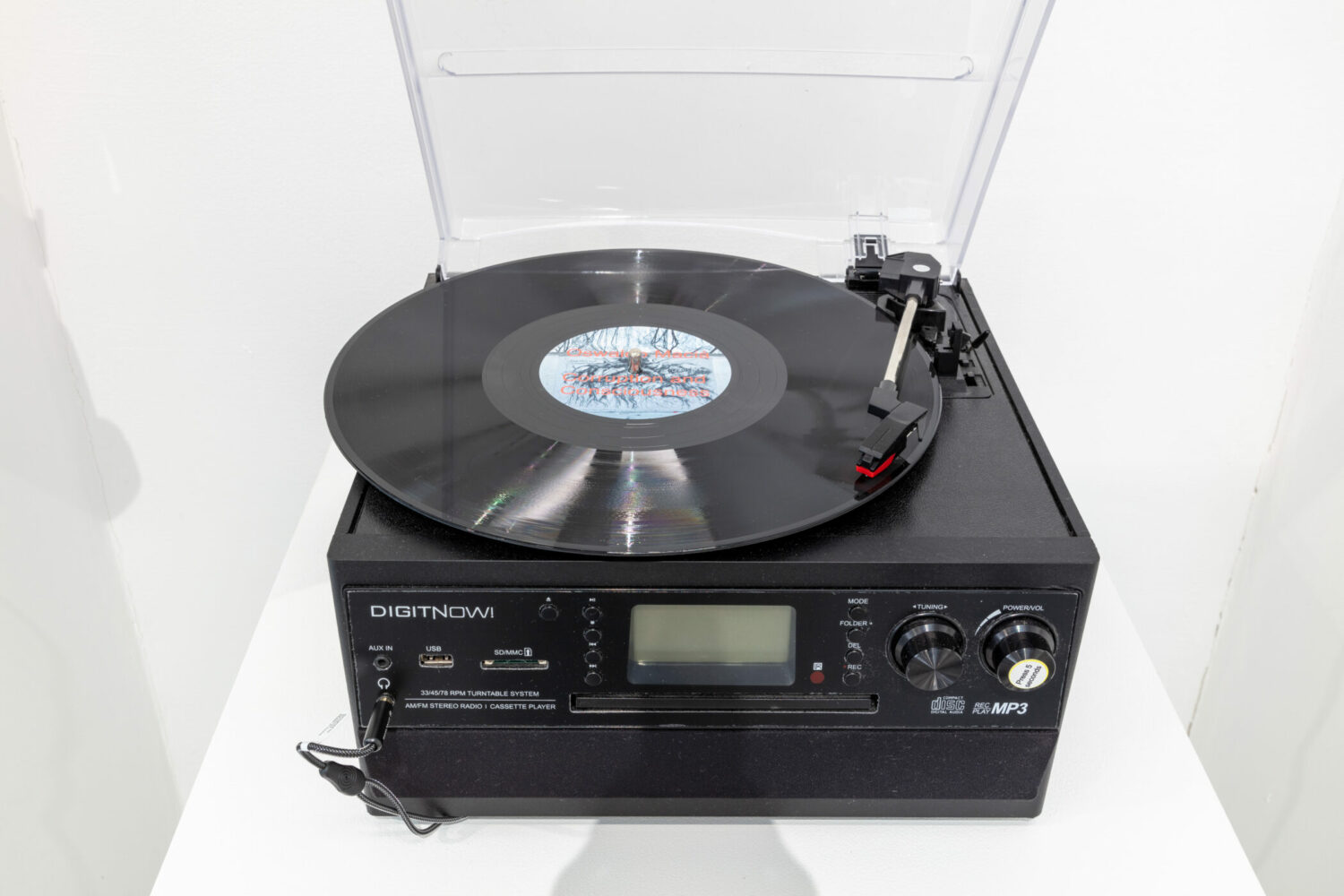
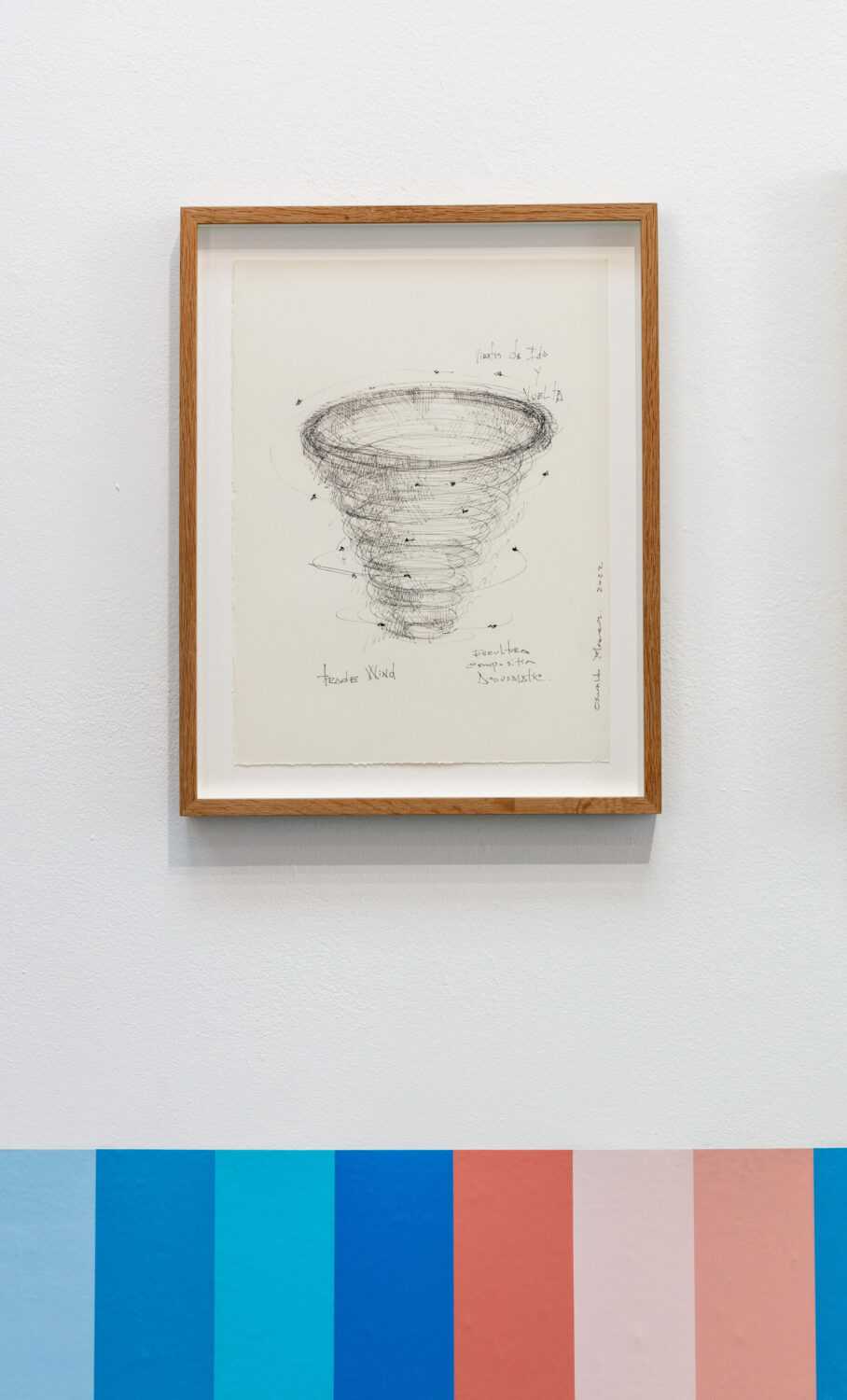
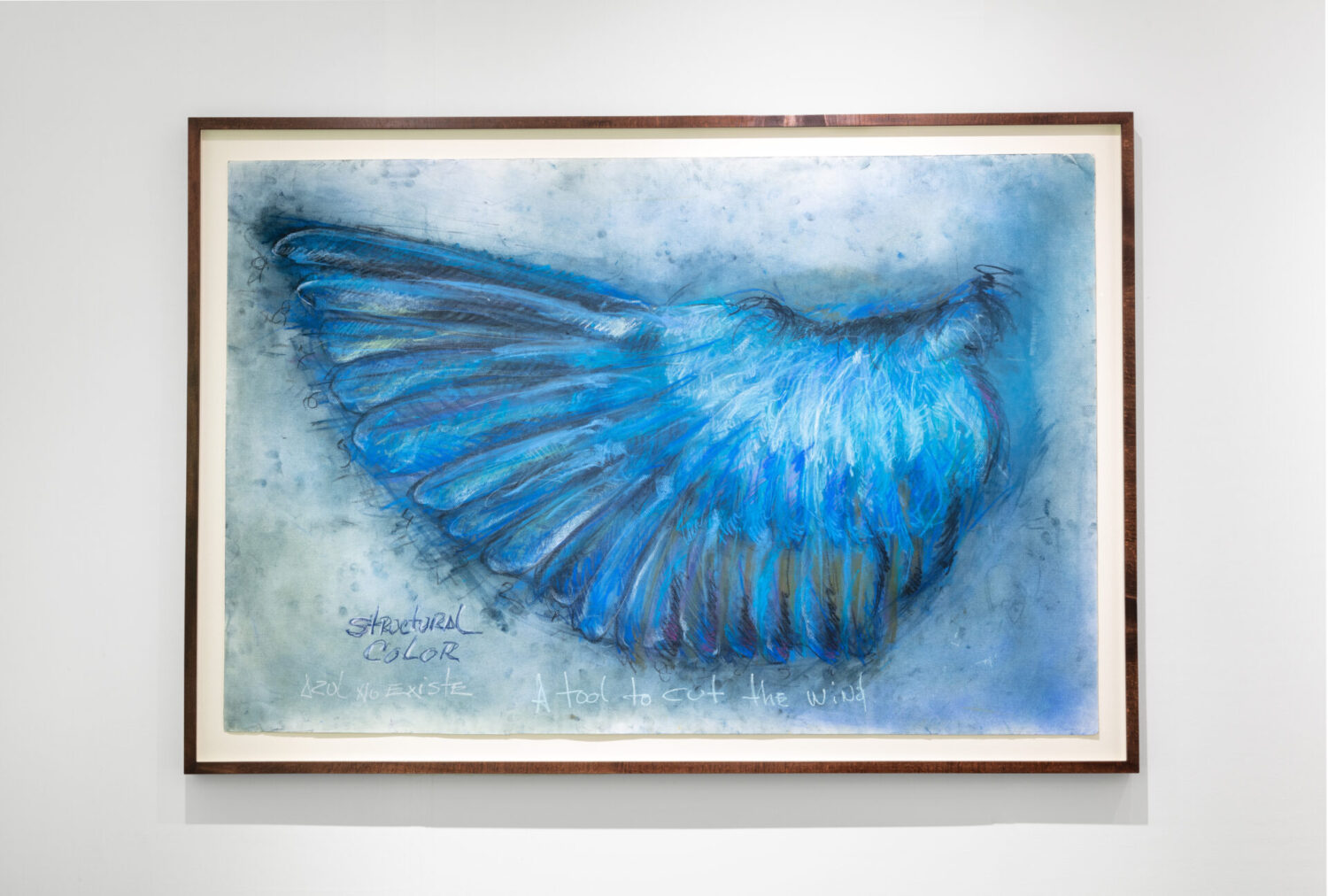
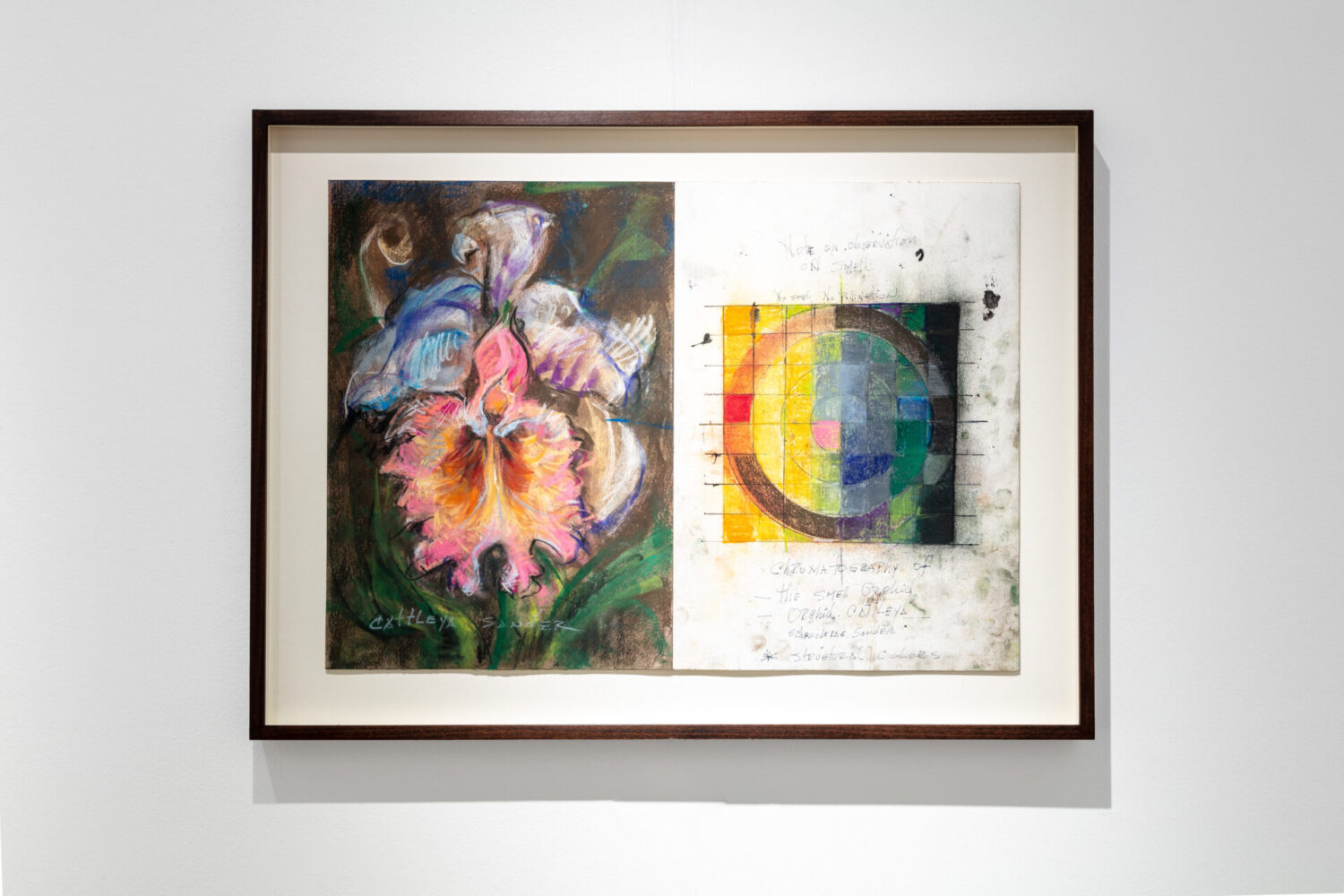
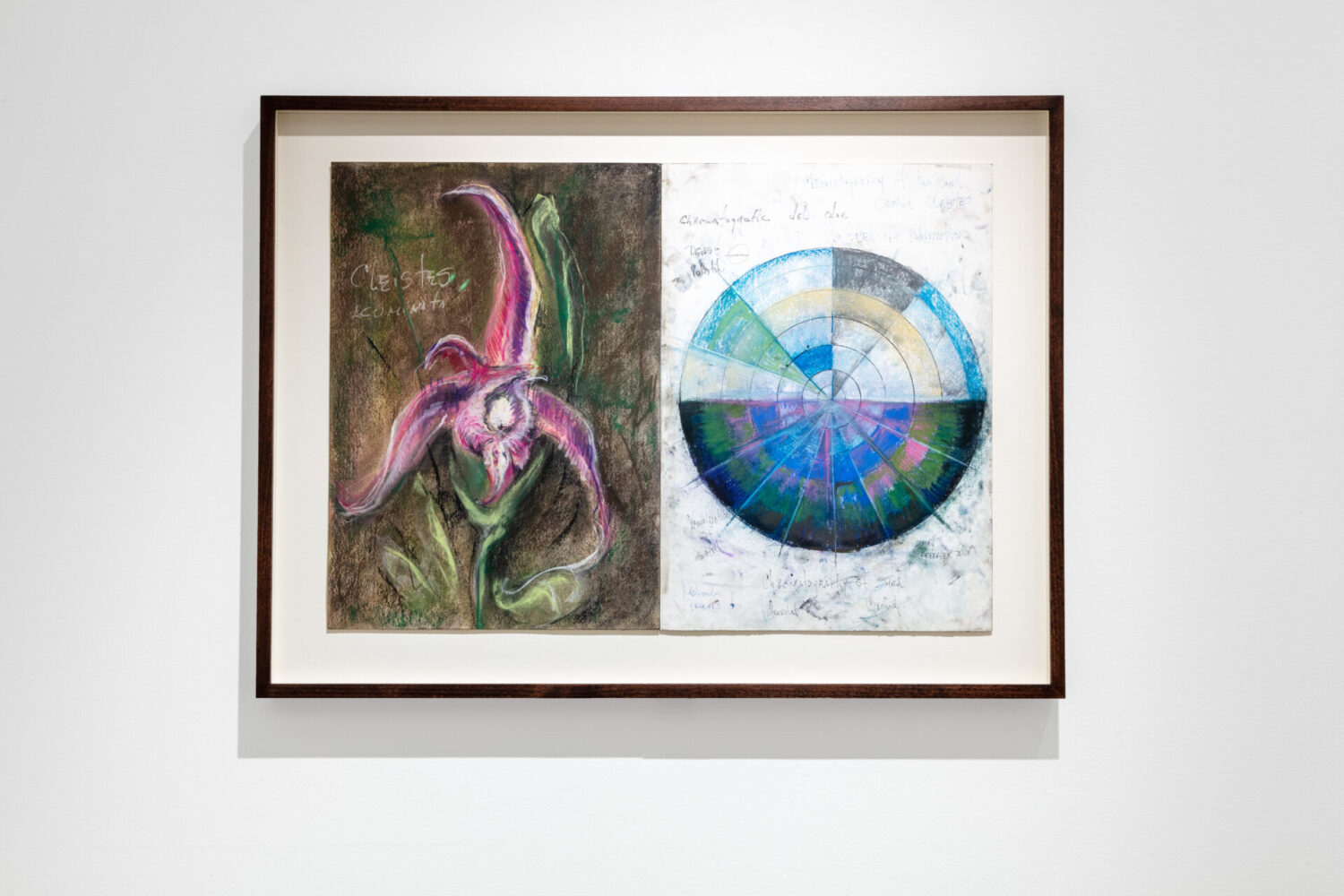
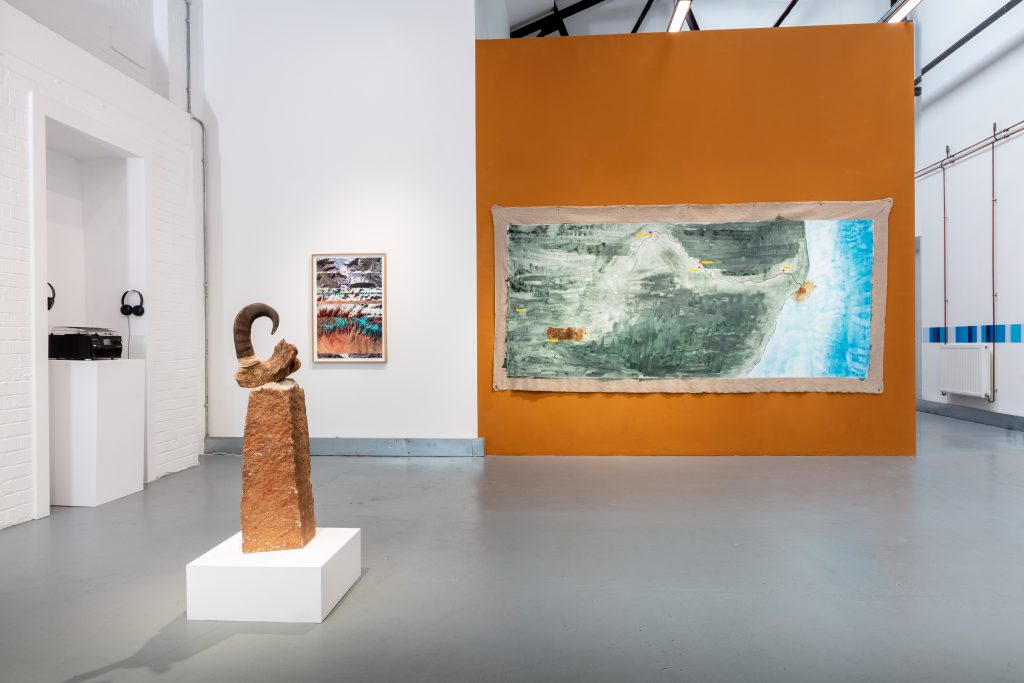
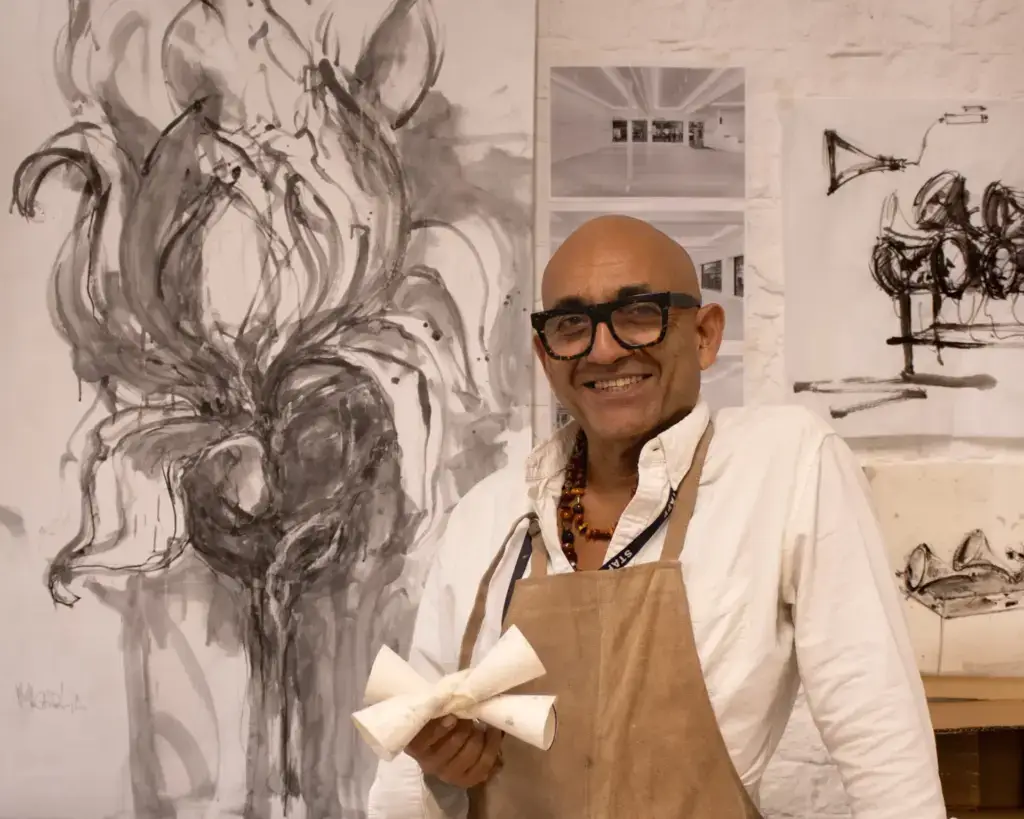
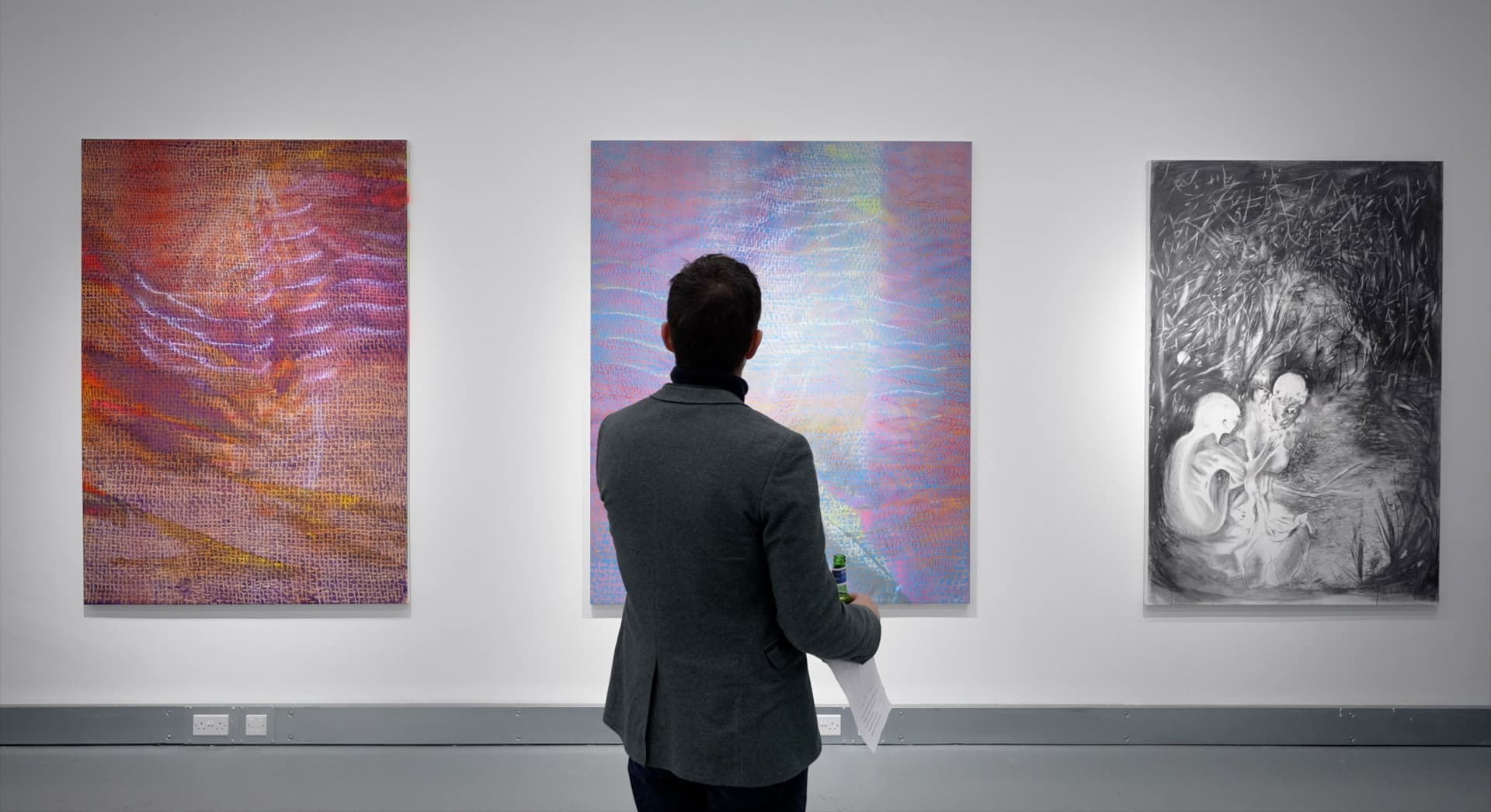
Known for his pioneering multisensory practice, Maciá expands sculpture beyond the visual, using sound, smell, drawing and fresco to explore the invisible systems that sustain life. The exhibition celebrates movement, cross-pollination, and environmental interdependence. For more than two decades, the artist has developed what he calls Olfactory Acoustic Composition—a new artistic language grounded in the “volume of smell” and the “volume of sound.” His compositions draw on field recordings made in rainforests, deserts, and polar regions, combined with a vast “smell library” developed through years of collaboration with perfumers and scientists.
Oswaldo Maciá was born in 1960 in Cartagena de Indias, Colombia, and lives and works between London and Cartagena de Indias. Maciá has earned international acclaim for redefining sculpture and sensory experience. In 2018, he received the Golden Pear at the Art & Olfaction Awards for his groundbreaking work with scent, affirming his pioneering role in olfactory art. His 2015 public commission for Bogotá marked a historic milestone: the first public sound sculpture in the Southern Hemisphere. His seminal installation, Something Going On Above My Head (1999–2021), has been exhibited at major institutions including Tate Modern, Tate Britain, Museo Reina Sofía, the Venice Biennale, and Whitechapel Gallery. His work has also been exhibited at Museum Tinguely, MOCO Montpellier Contemporain, Kunsthalle Bremen, Museum Anna Nordlander/MAN, Skellefteå, New Mexico Museum of Art, Site Santa Fe, and Museum of Contemporary Art Australia. His artworks exist in major foundations and institutions such as Tate Collection, Daros Latin America Collection Zurich and New Mexico Museum of Art. The artist was selected to exhibit at the eighty-second edition of the Whitney Biennial, New York. This year, the Whitney Biennial features work of 56 artists, duos, and collectives that reflect the current moment and examine various forms of relationality, including interspecies kinships, familial relations, geopolitical entanglements, technological affinities, shared mythologies, and infrastructural supports.