Volunteering with the humanitarian agency United Nations Relief and Rehabilitation Administration (UNRRA), Waters left the certainty of a job in Rio de Janeiro to join a multinational effort to reconstruct Europe, a continent left in tatters in the aftermath of WWII. Whilst stationed in Austria, she met the British Major Eric Dale Waters, whom she would marry in 1947 and subsequently settle in Lewes, in East Sussex. There she started taking art lessons at the county’s local art school, thus initiating her practice – only to pause it shortly after, due to a temporary allergy developed during pregnancy. In 1951, already living in Brazil with her husband and son Martin, Waters rekindled her practice and went on to train under the tutelage of powerhouse names such as Marcelo Grassmann, Clóvis Graciano, and Yoshiya Takaoka.
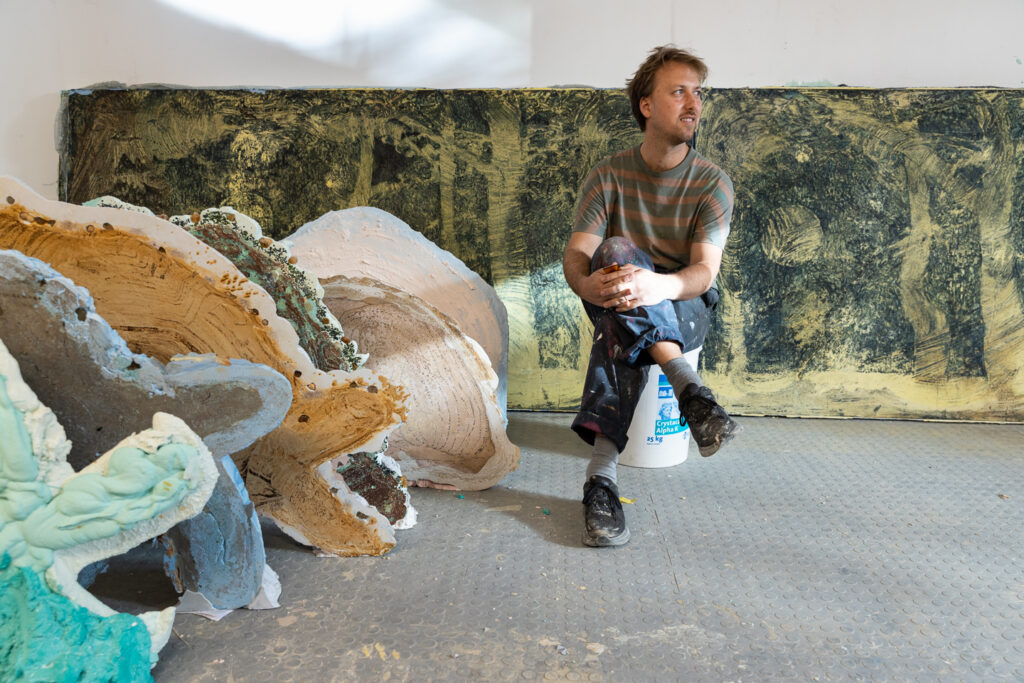
Sixty-nine years her junior, Theodore Ereira-Guyer was born in London in 1990. Bearing Portuguese ancestry through his father’s side, his family spent long periods of time in Portugal during his childhood, even briefly relocating to that country at one point. Noteworthy, the artist currently lives between Britain and Portugal. This lusophone upbringing might have fostered the seed of a passion for Brazil that was solidified in 2017, when the artist spent a few months in São Paulo on the occasion of a residency at Pivô. The country has left a major impression on Ereira-Guyer, and artistic endeavours have taken him back on a yearly basis since.
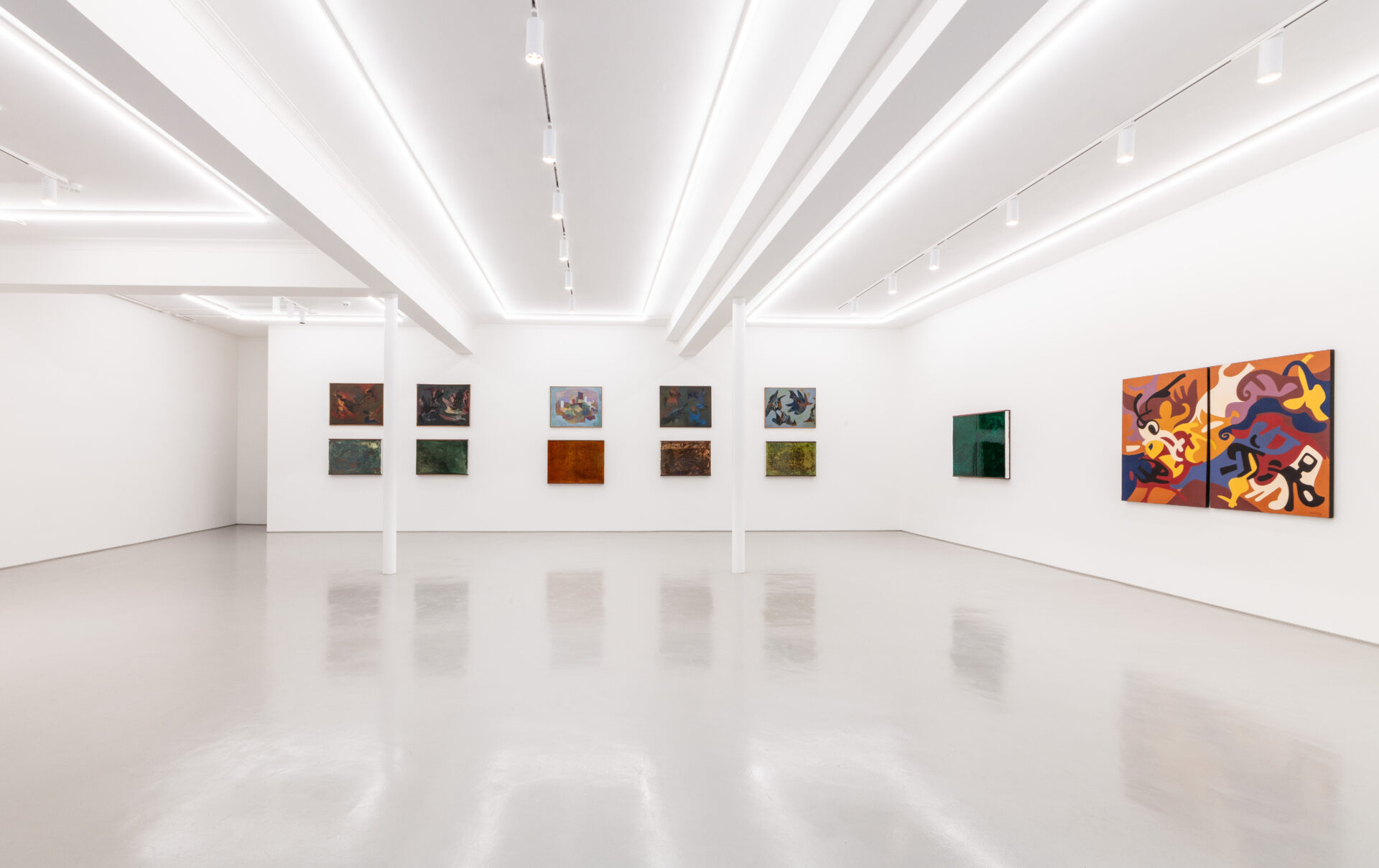
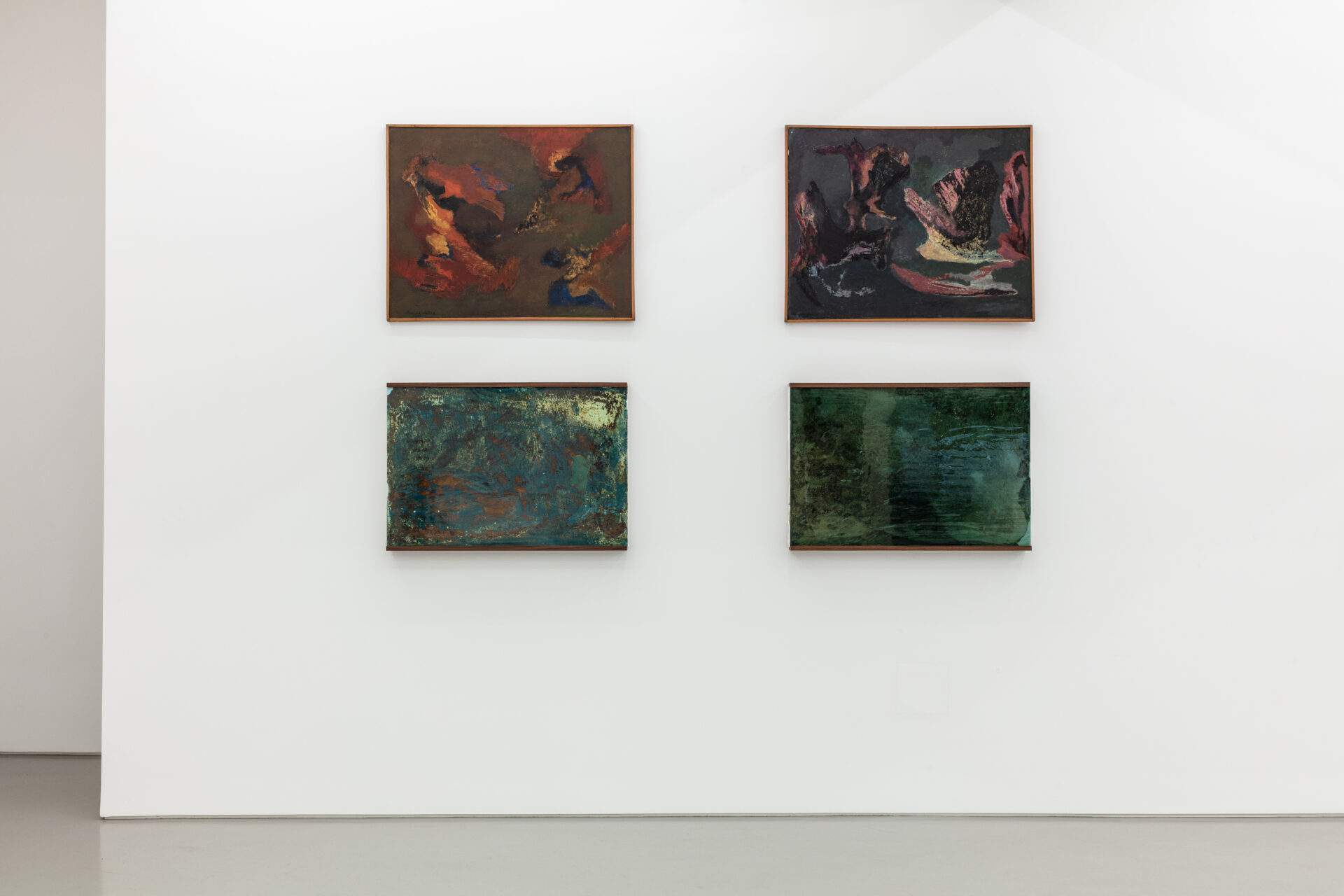
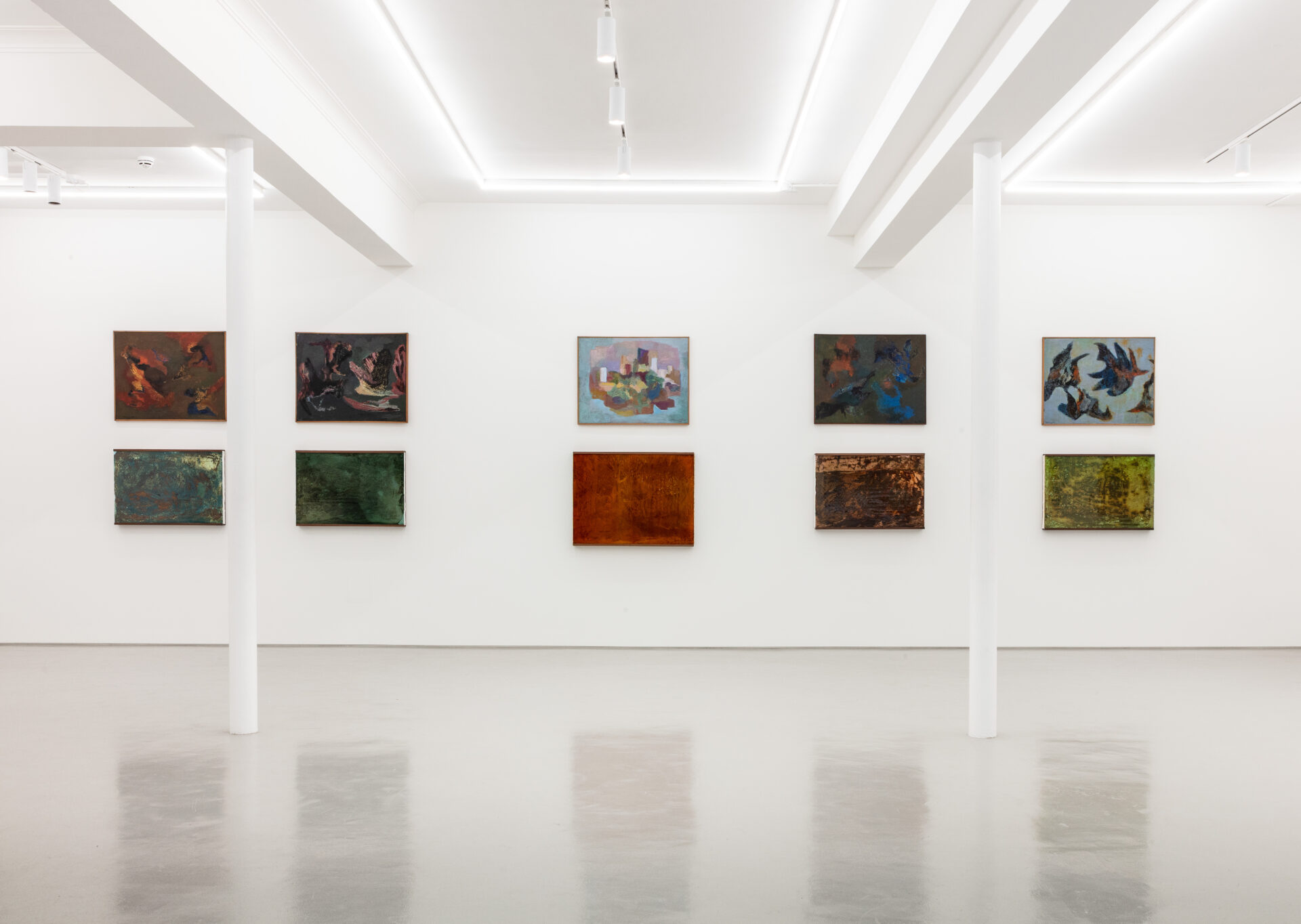
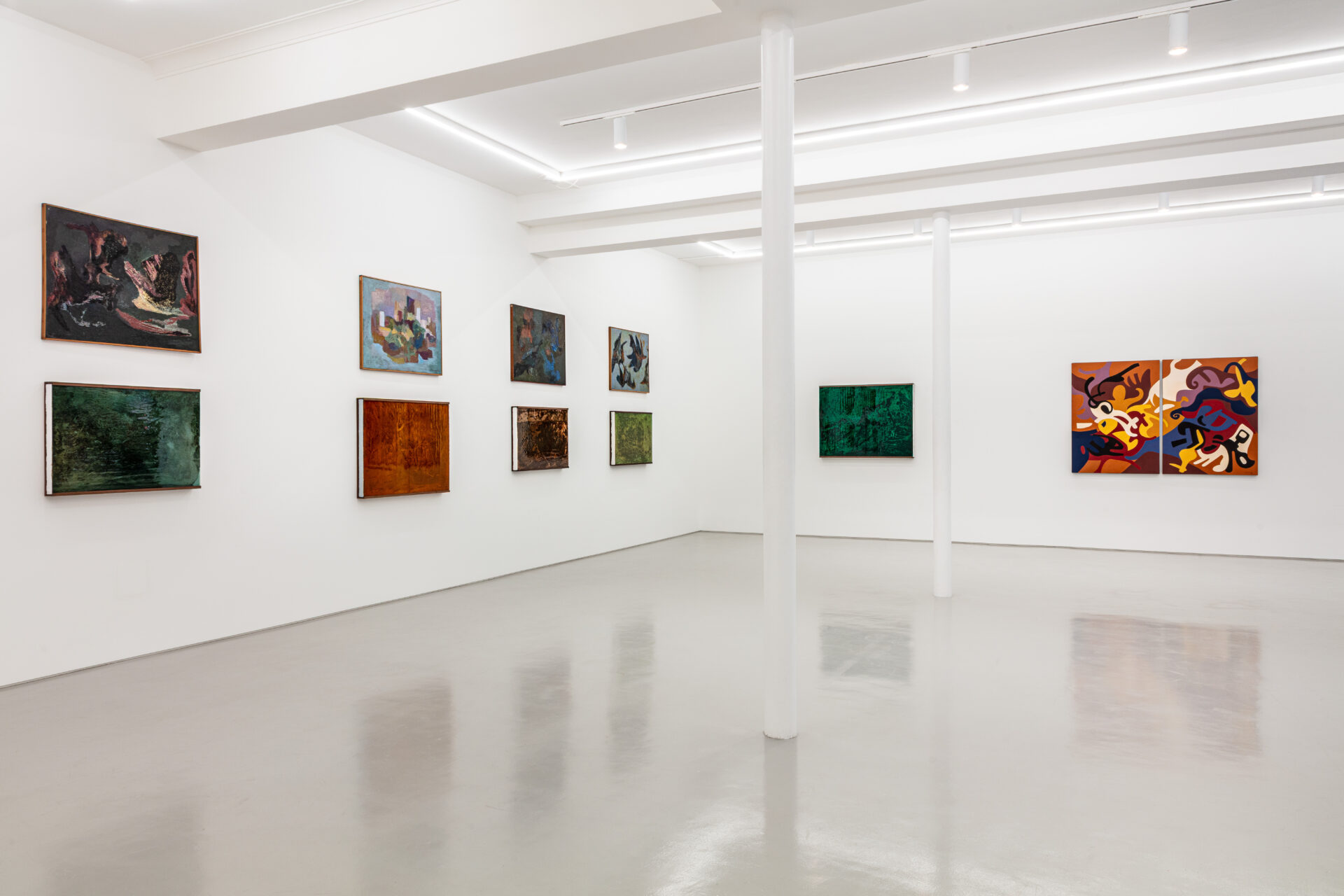
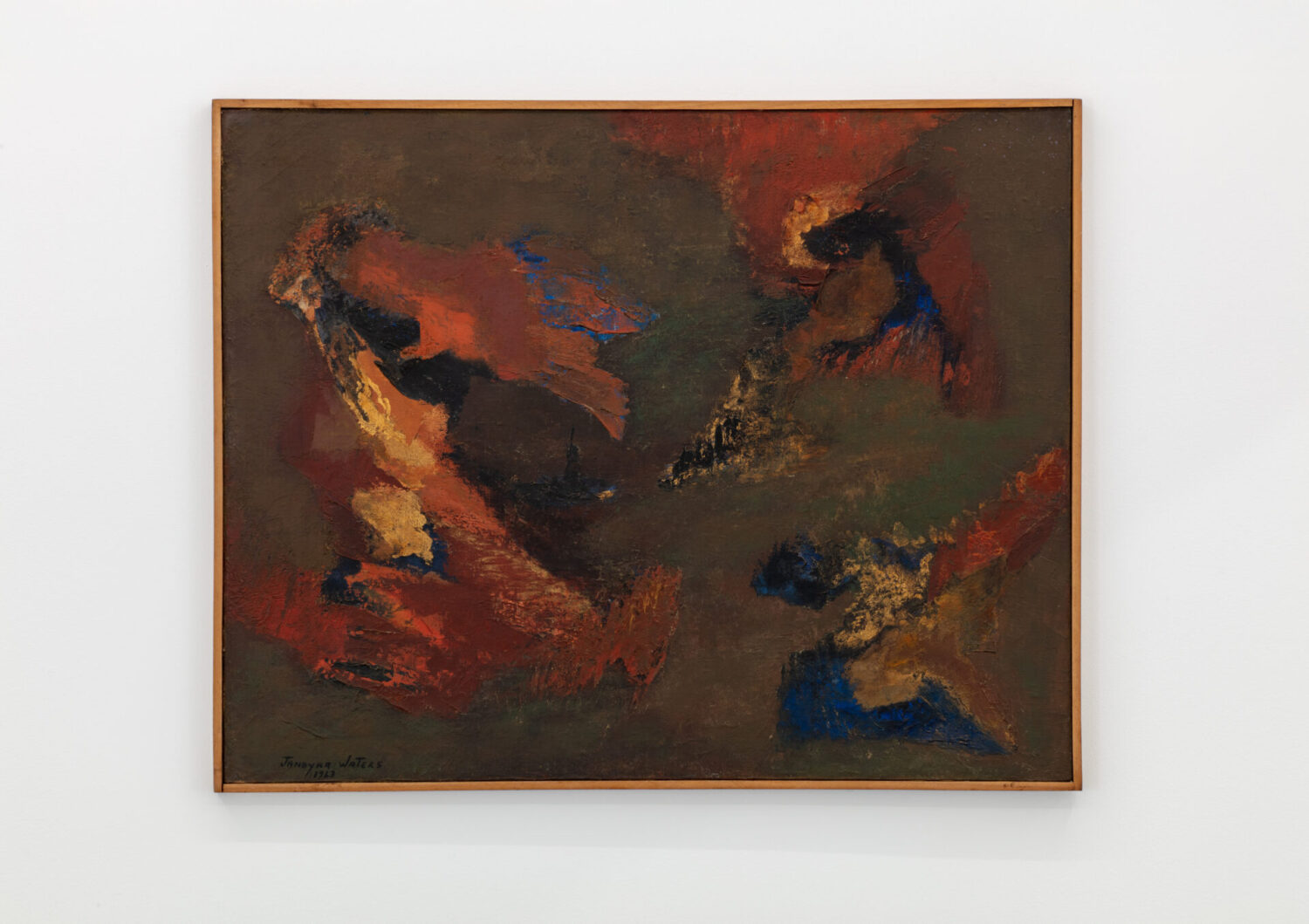
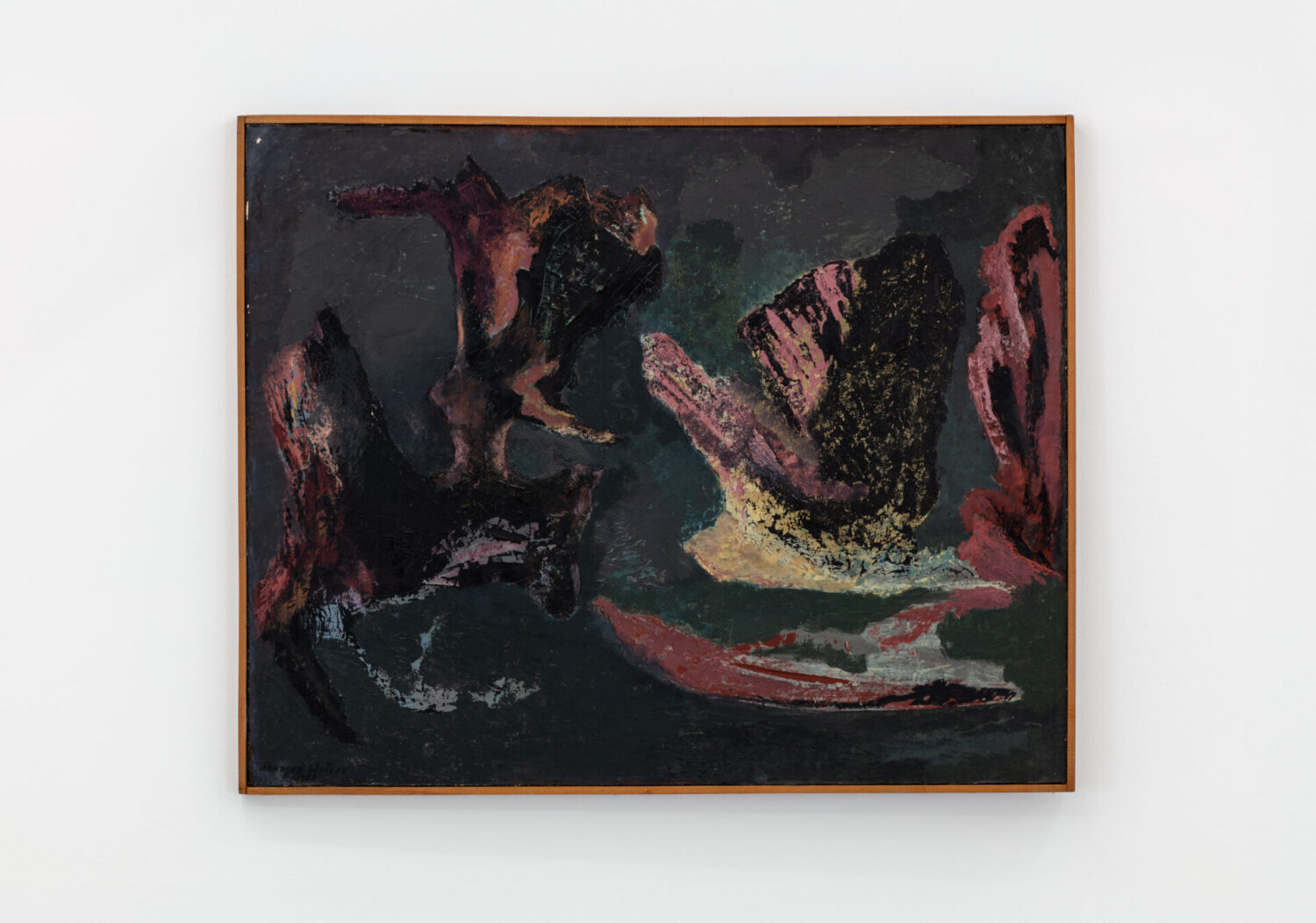
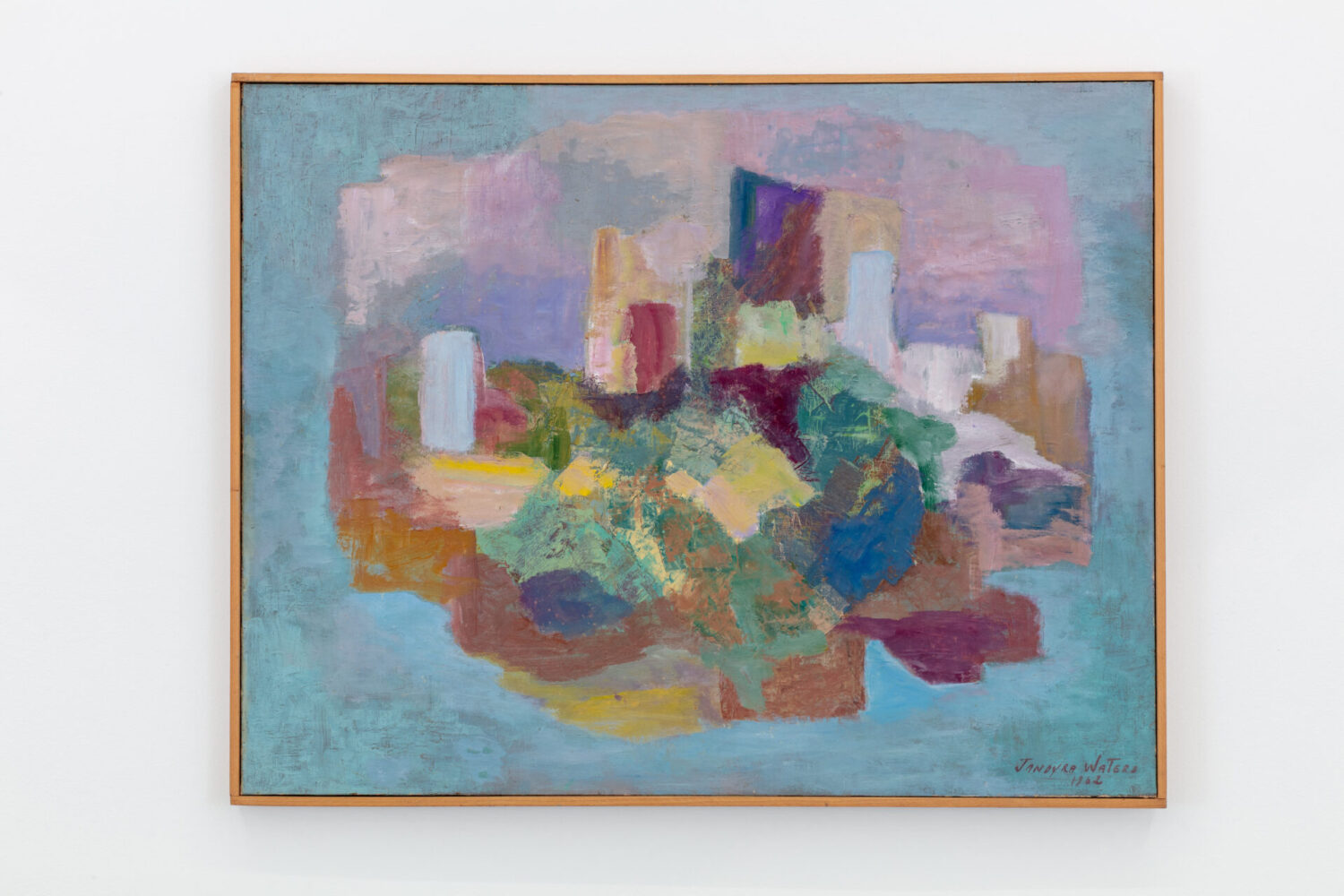
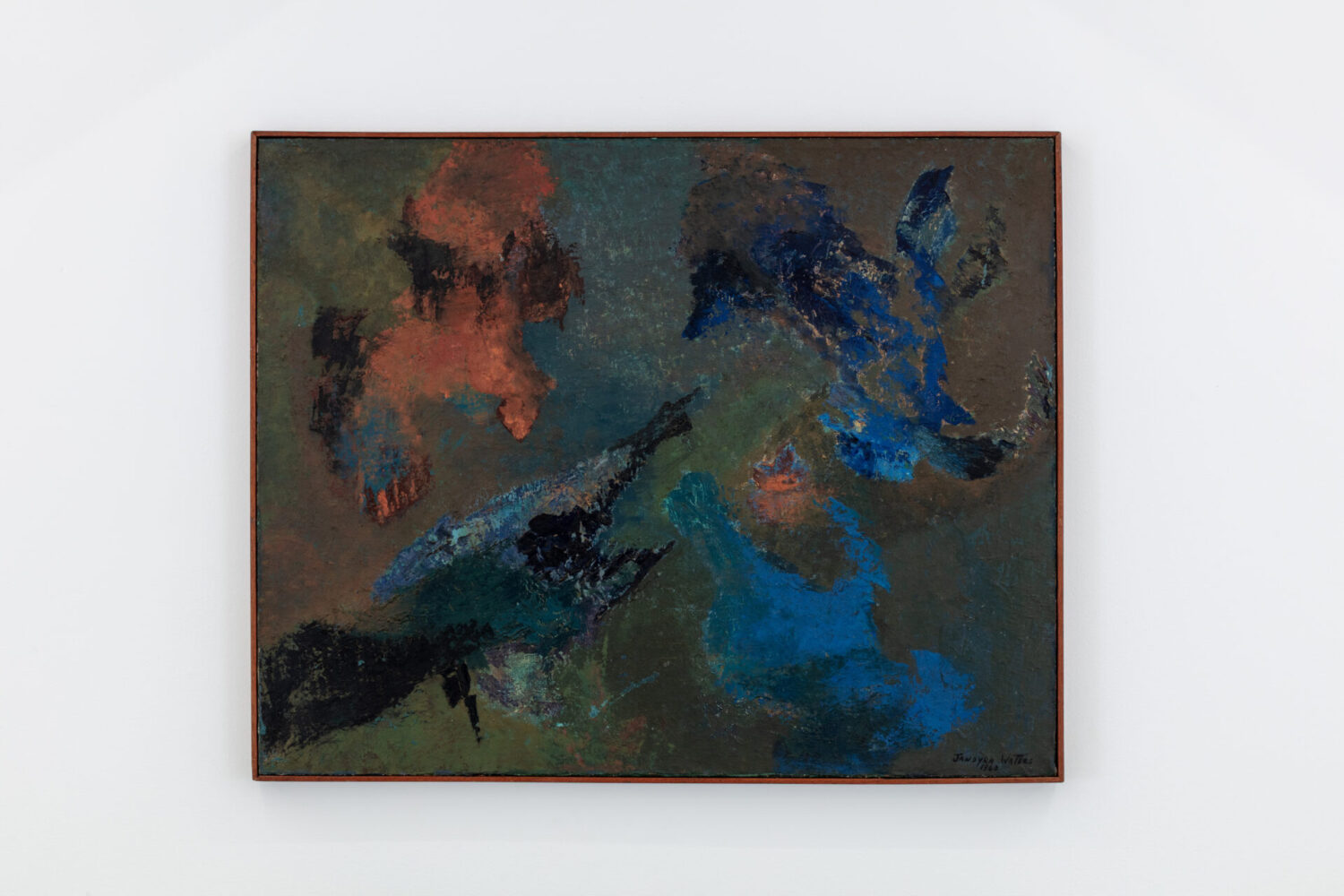
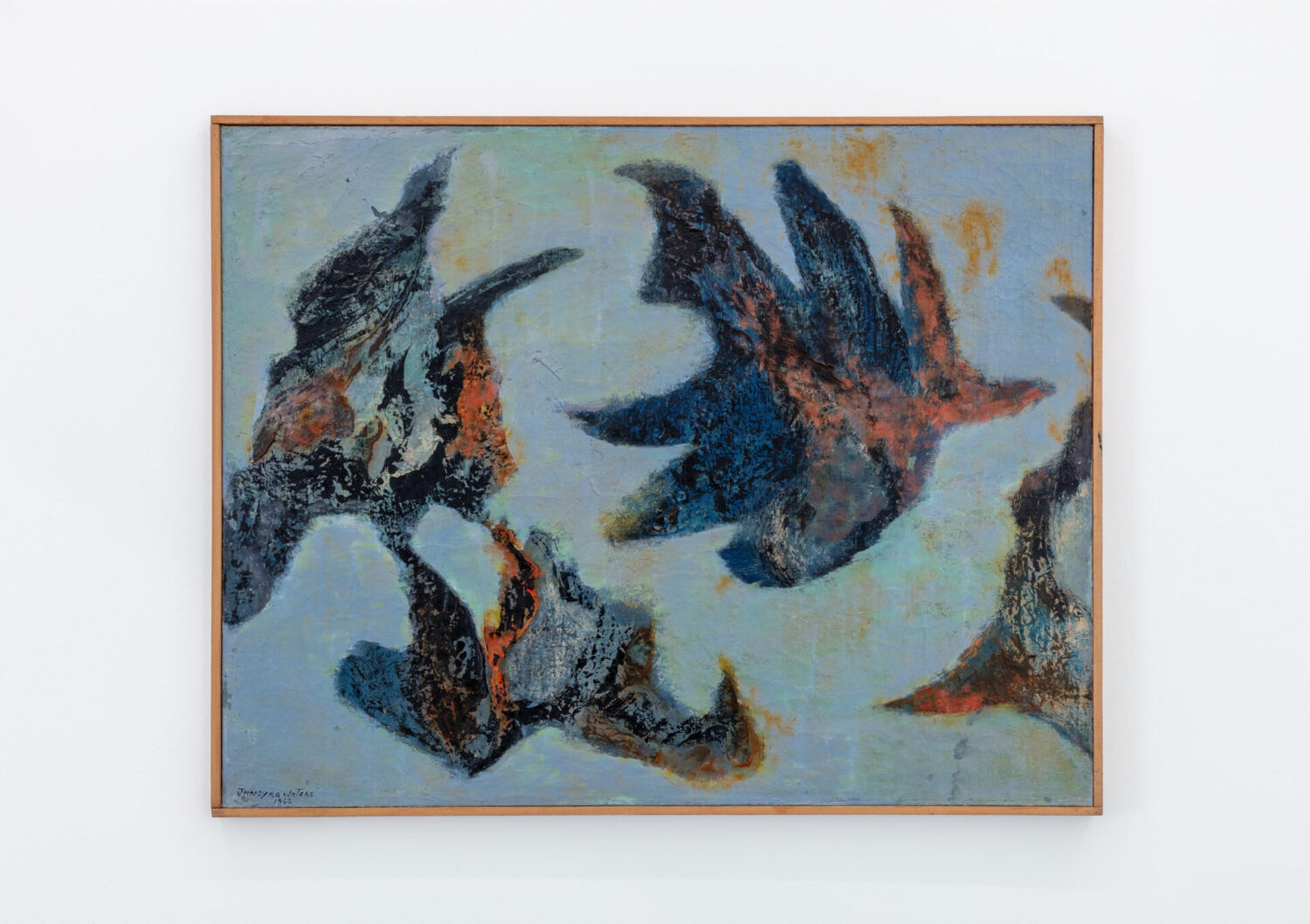
The influence of her masters, Takaoka, in particular, guided Waters’ aesthetic of the 1950s, a period when she was invested in creating figurative compositions ranging from landscapes to scenes of domestic life. It is not uncommon that artists’ point of entry to art making is through figuration – with Ereira-Guyer, it was no different – and it takes both practice and perseverance until they can find a voice that is identified as their own, even if they remain in the realm of figuration. In Waters’ timeline, the leap came in the early 1960s, when she abandoned figuration in favour of soft, unrehearsed brushstrokes that gave way to abstract compositions in the manner of Tachisme. Five such compositions are on show in We Lost Lots of Beautiful Things.
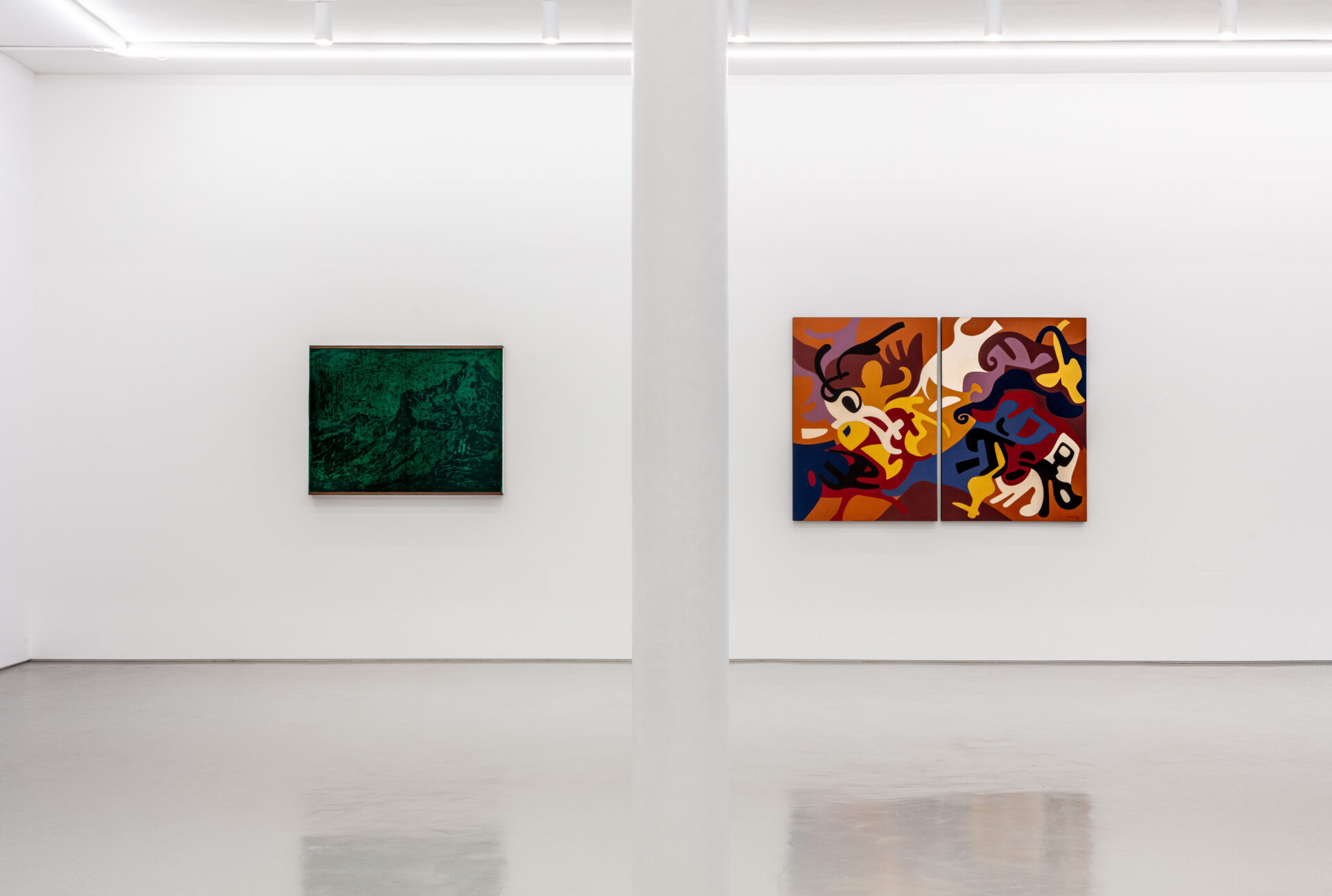
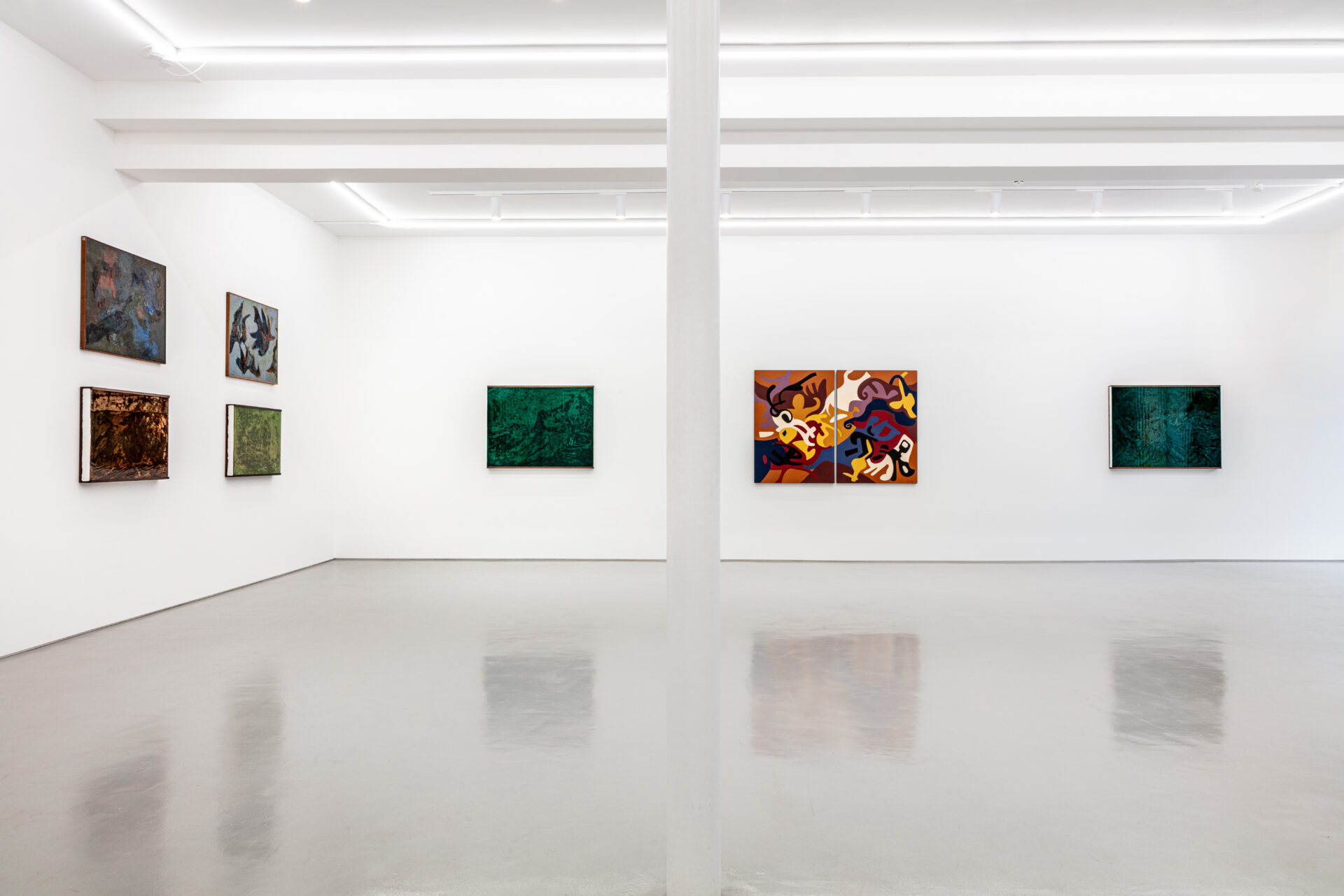
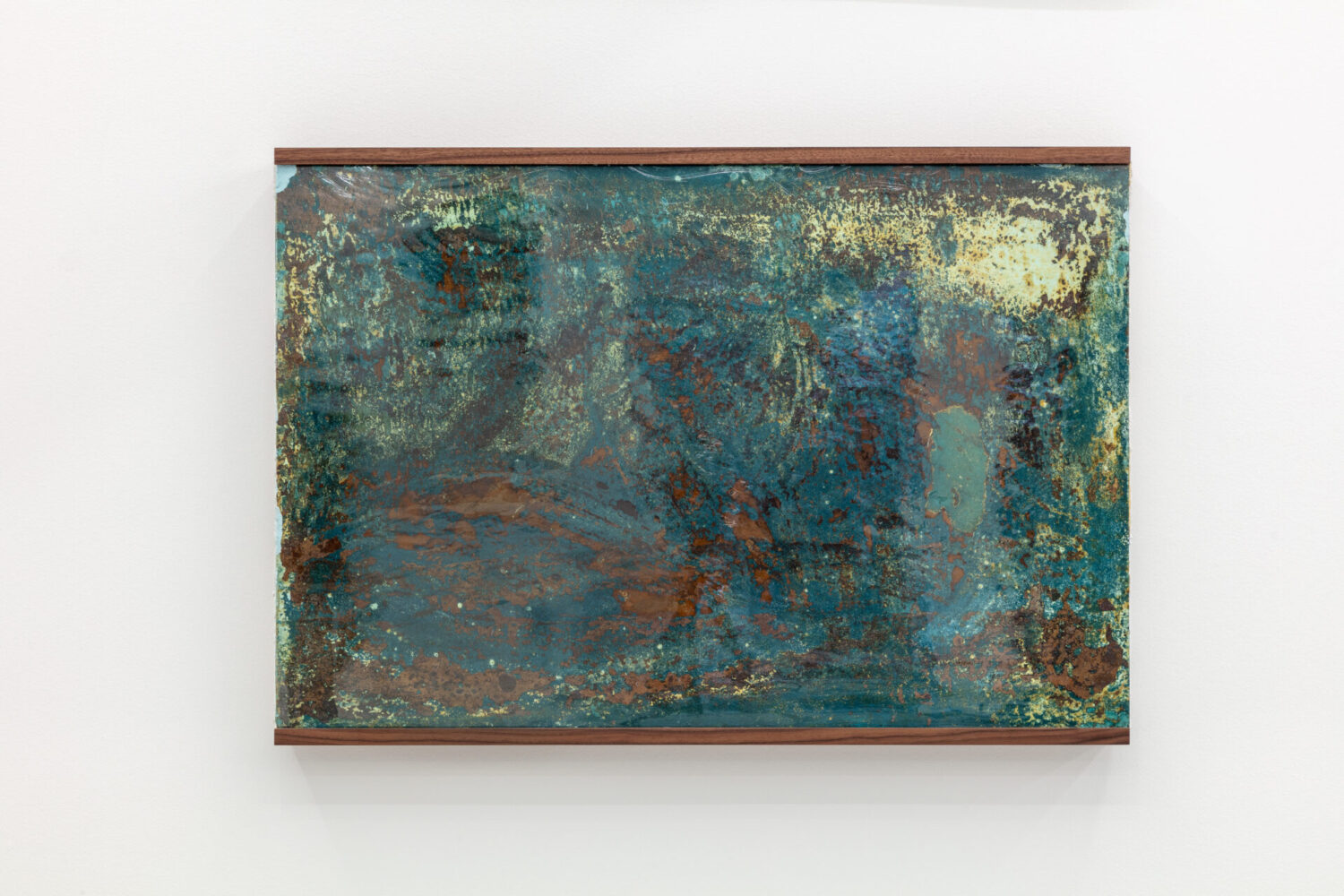
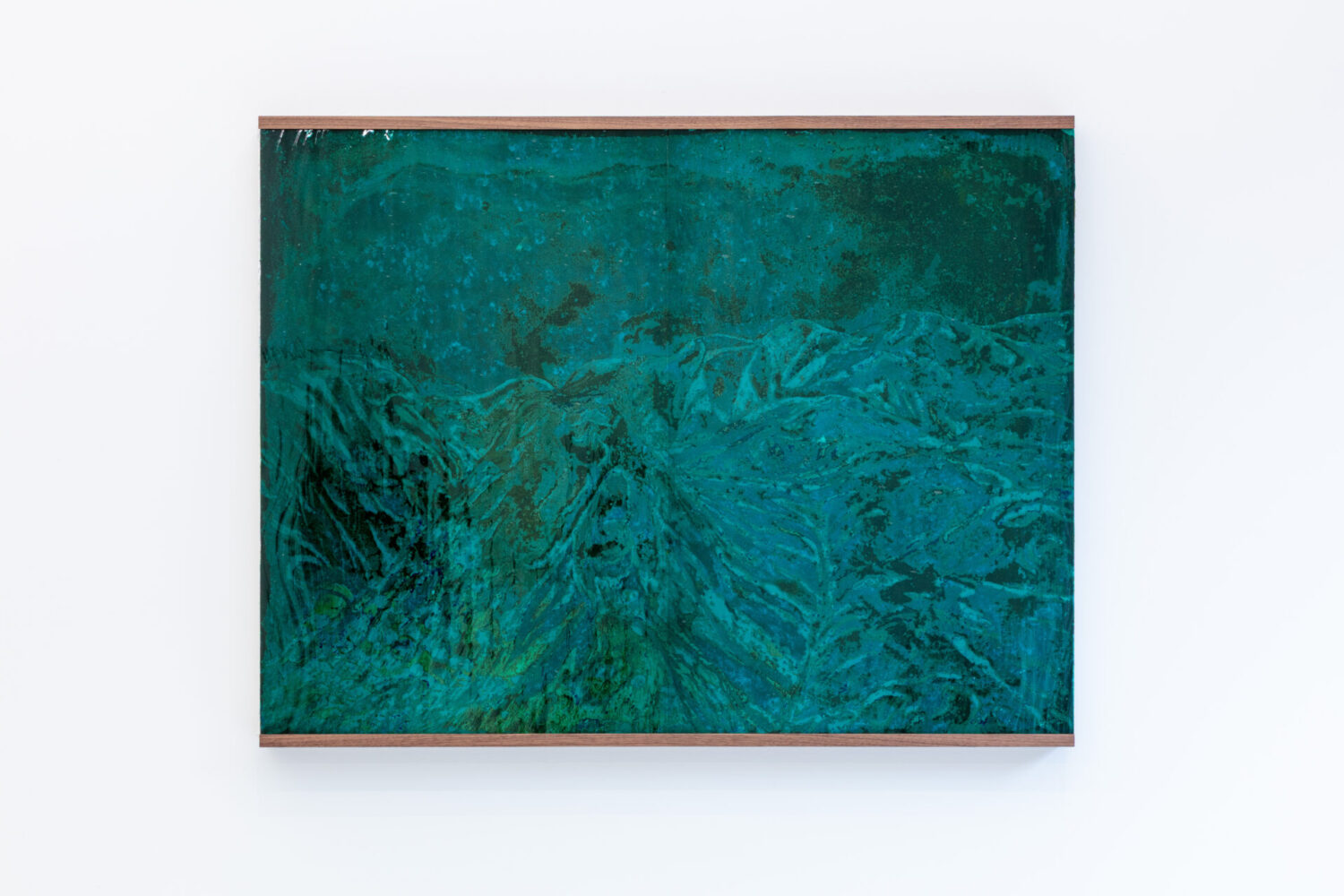
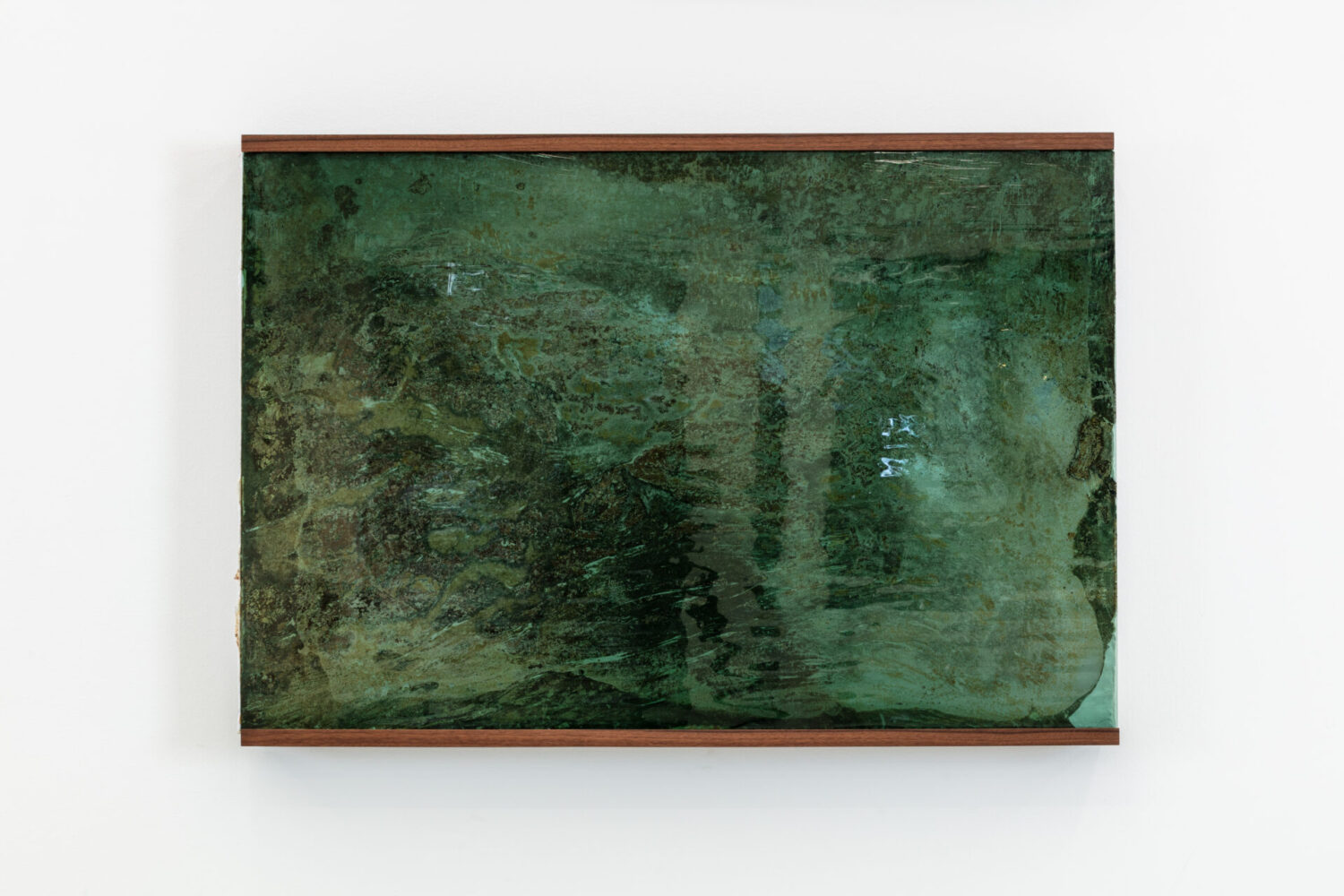
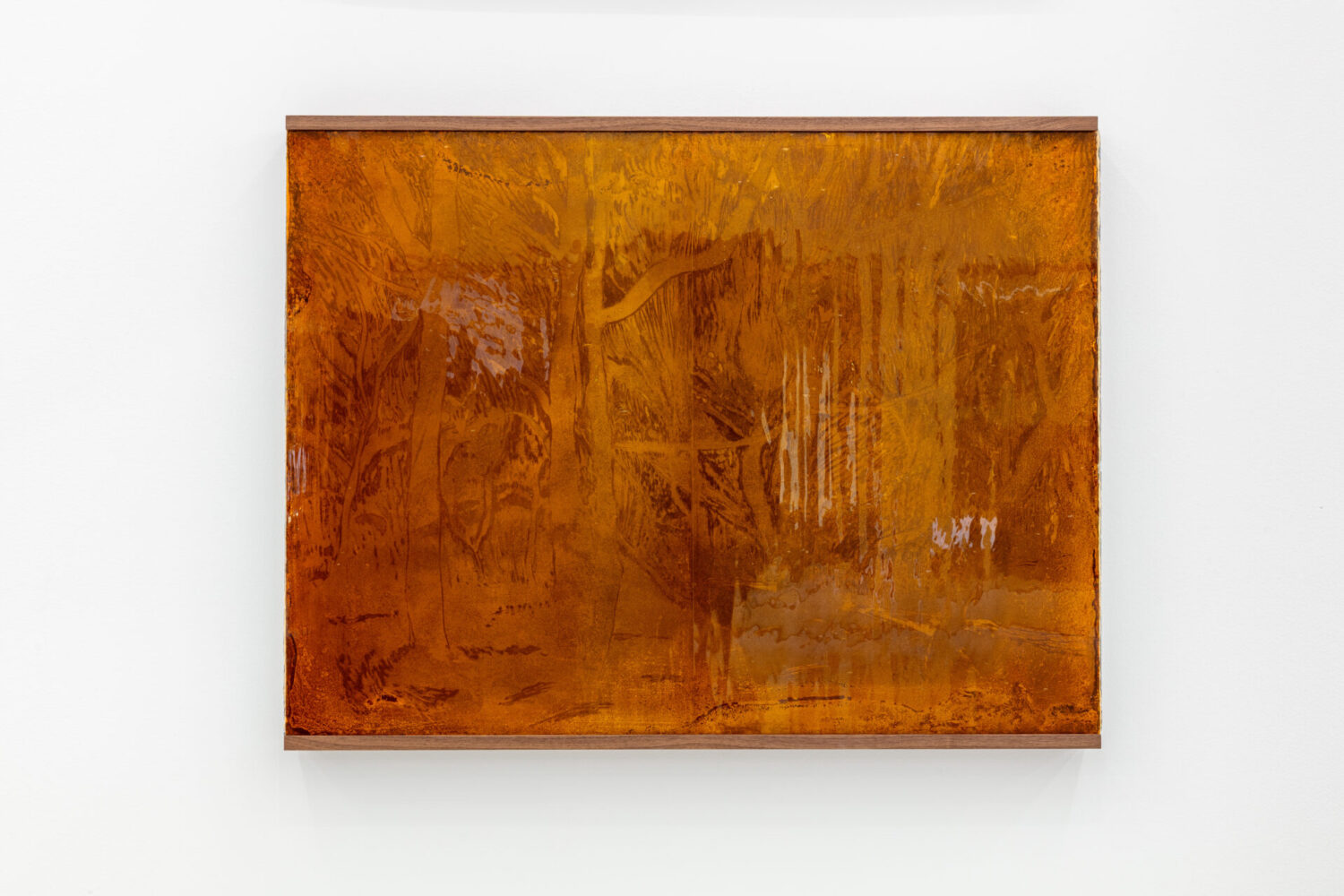
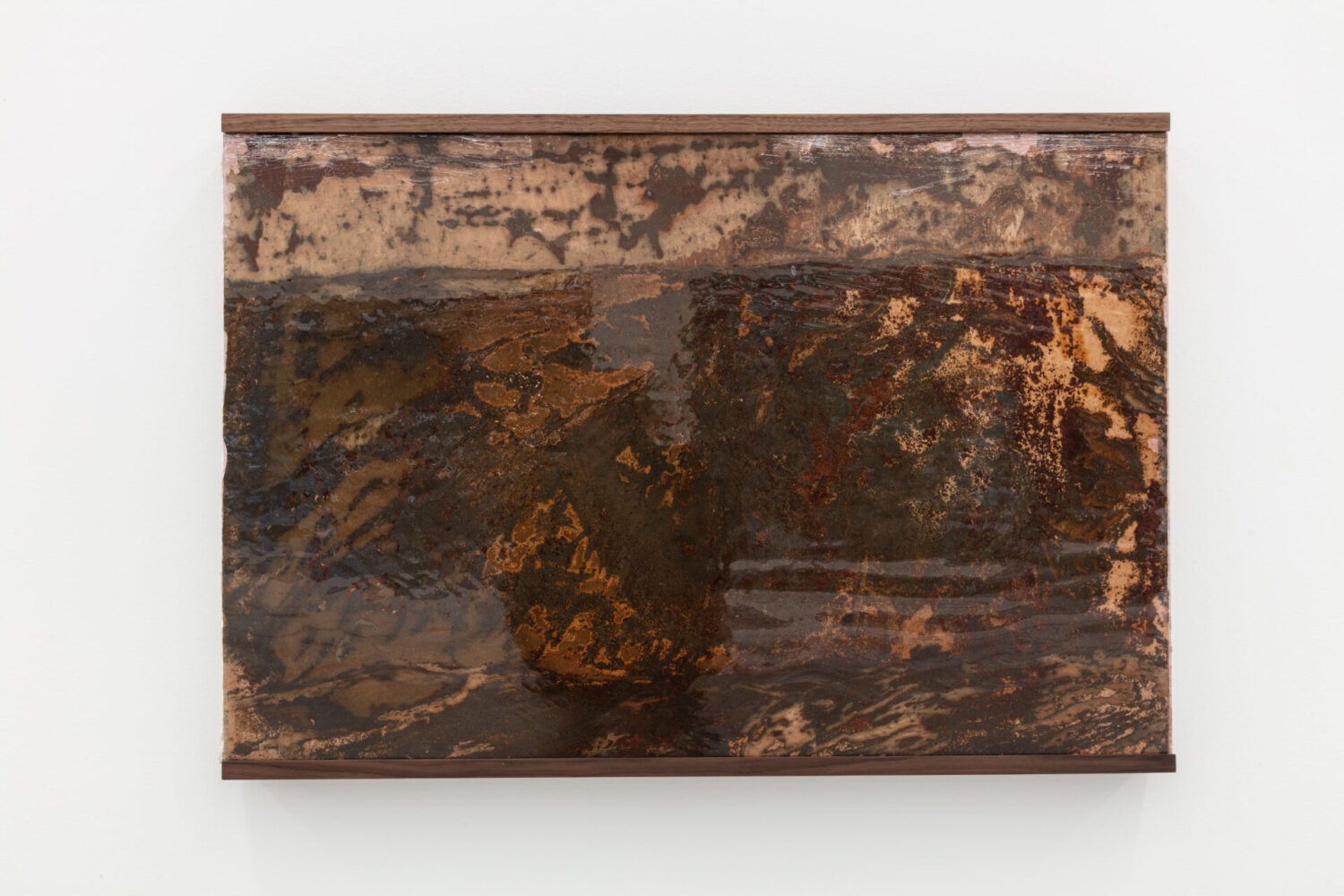
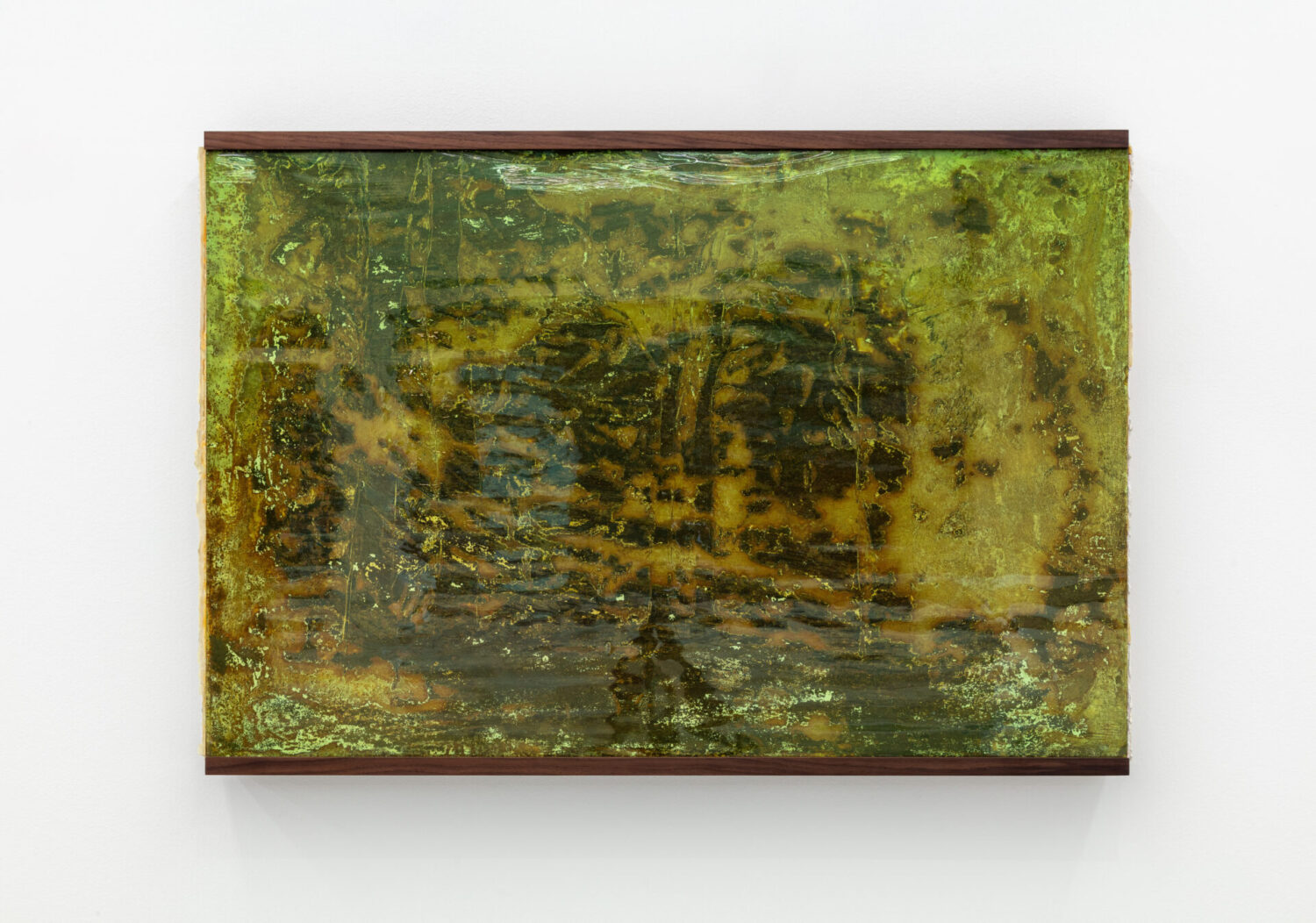
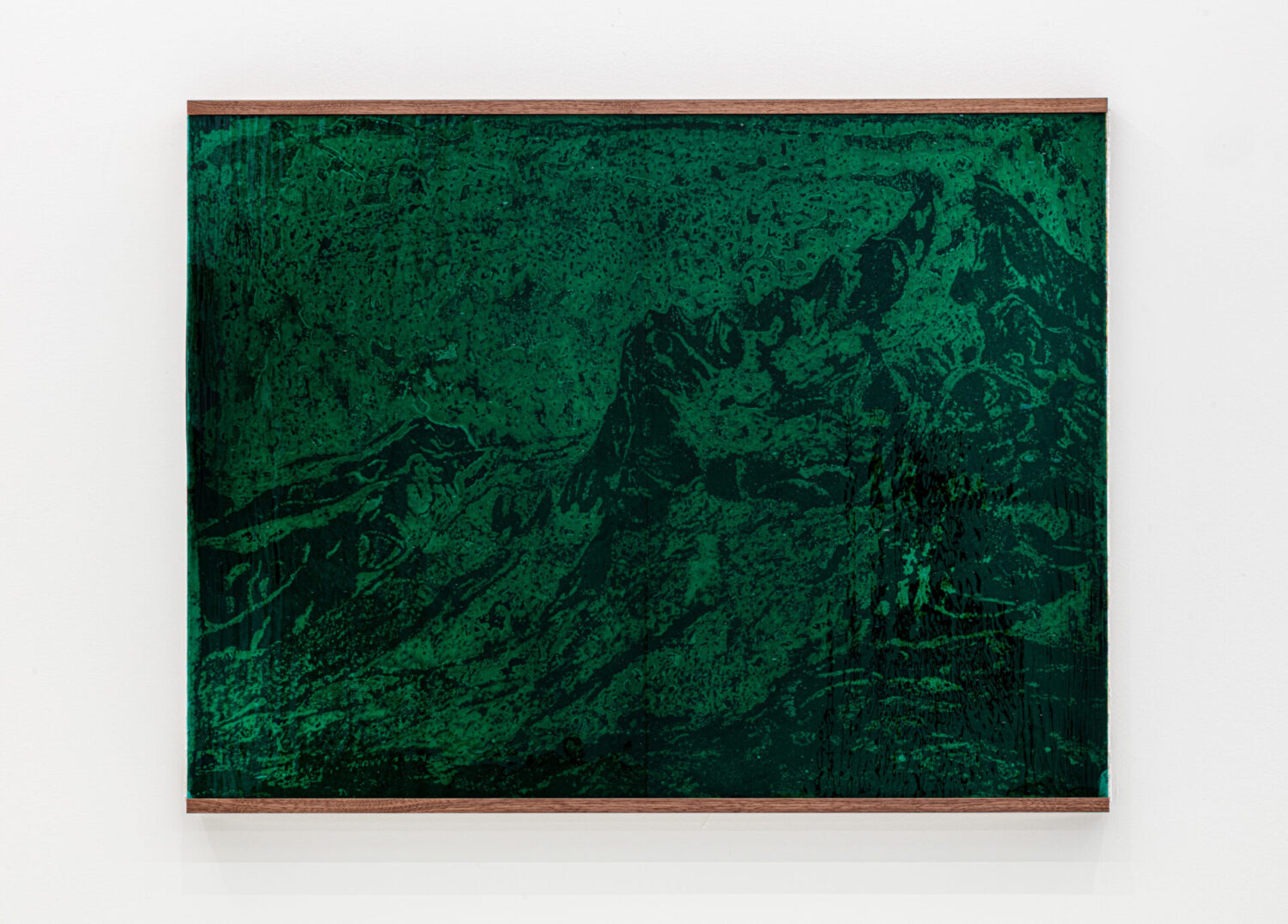
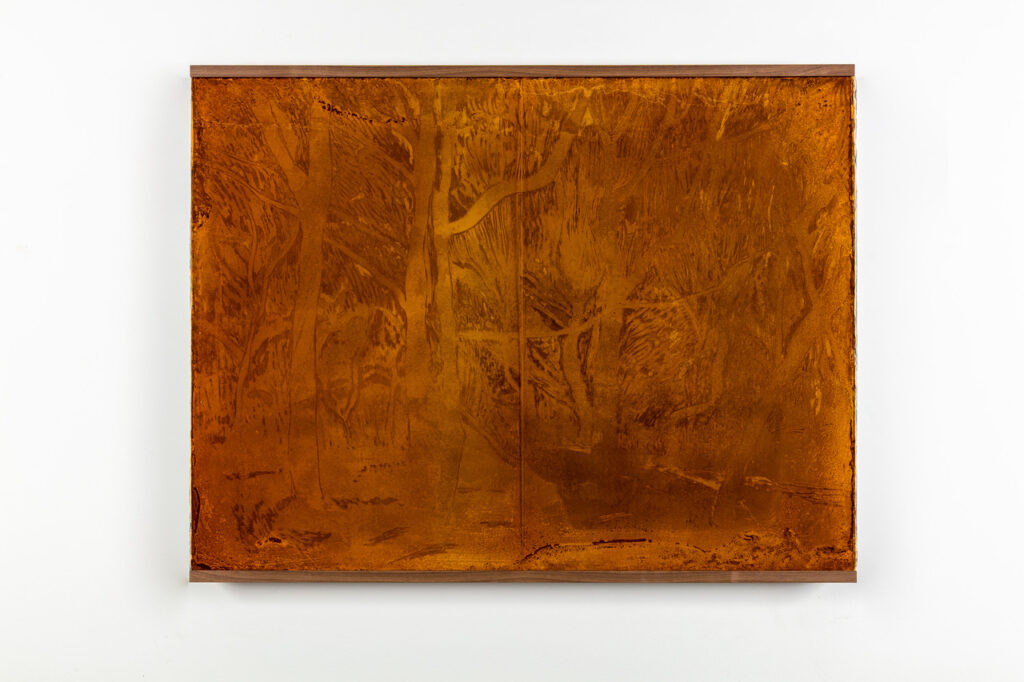
Ereira-Guyer, in turn, showcases a new body of work that both emerges and departs from his well-known large-scale etchings. They consist of wall-based hand-blown glassworks that, at times, depict landscapes – as per his signature style – and at times are quite abstract. They stand for a moment when an artist decides to get uncomfortable in their shoes and start something new, embracing the unknown. Therefore, both Ereira-Guyer and Waters’ compositions in this exhibition were made in a time of experimentation within their artistic paths, where lots of beautiful things are left behind to create ground for a new set of beautiful things to emerge. What is more, both artists were a similar age when they composed the works on show: he was in his mid-30s, she in her early 40s.
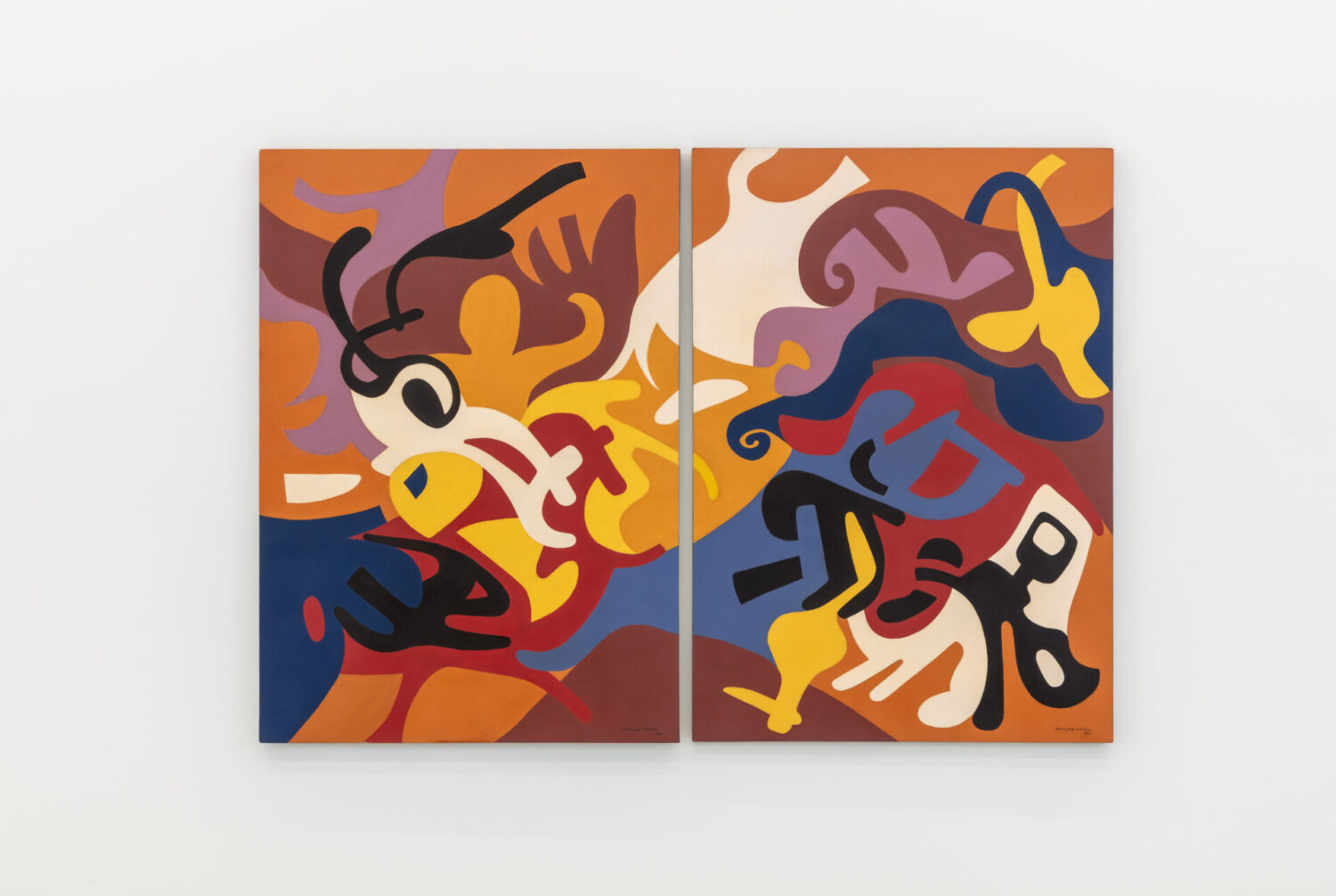
Yet another element structuring the show is the equivalence in scale amongst the exhibited artworks, denoting an overall sense of symmetry to the display. For Waters, in the early 1960s, to choose canvases measuring around 70 x 100 cm signified an upscale in relation to her earlier production. For Ereira-Guyer, in 2025, this means the exact opposite. Through a privileged standpoint where we can assess an artistic trajectory with a beginning, core and end, we now know that Waters’ dealings with Tachisme were a transition between her figurative works and the two styles that came to be recognised as her own: namely, her organic, and later the geometric works. In the grand scheme of things, the role that the hand-blown glassworks will play within Ereira-Guyer’s narrative is yet to be known.
Scale is levelled again with four larger compositions that disrupt the symmetry of the show. These are a large diptych by Waters, from her organic phase – perhaps her most fertile and unique style – that works both as individual works and as a composition in two parts. For Ereira-Guyer, these are two glassworks that nearly match – albeit horizontally – each of the parts from Waters’ diptych. They might nod to yet another new development in his vocabulary, whereupon the glasses become as large as his eponymous etchings. Or maybe not.
Curated by Maria do Carmo M. P. de Pontes.
This exhibition will run from 10th October to 23rd November 2025, Wednesday to Sunday, 12-6 pm, extended to 8 pm on Thursdays, or by appointment.